
24 Hour Service
Call 409-444-0066
How Gas Inspections in Vidor Ensure Your Home's Safety
Gas inspections in Vidor protect your home and family by identifying potential hazards before they become serious issues.
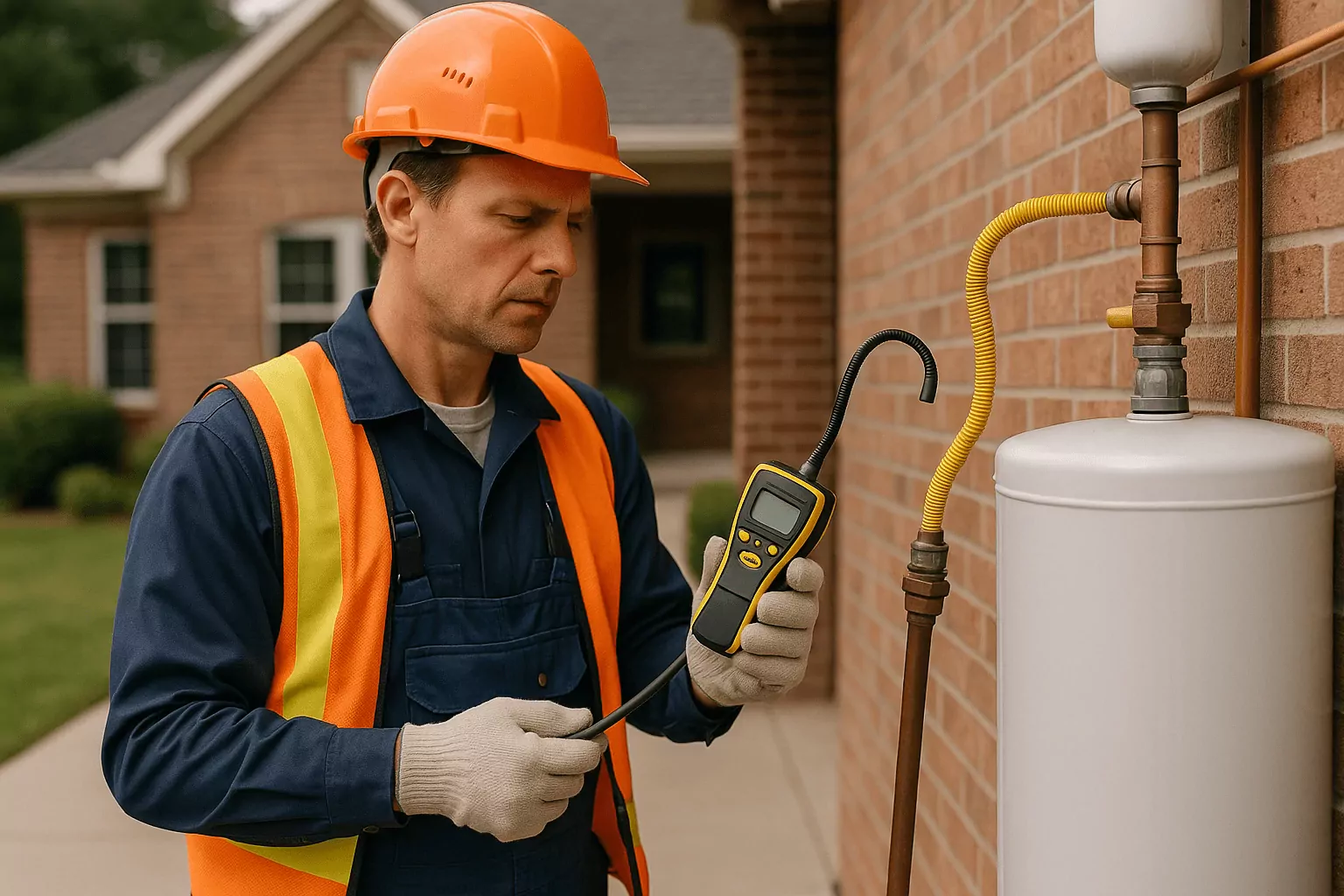
Natural gas is efficient and reliable, but it must be handled with care to protect your family and property. That is why professional gas inspections in Vidor are essential for identifying leaks, pressure issues, and aging components before they become emergencies. In this guide, you will learn how gas inspections Vidor safeguard your home, improve appliance performance, and help you meet local code requirements. We will walk through what inspectors evaluate, the most common hazards they uncover, and when to schedule a thorough check. Along the way, you will see real-world examples from Southeast Texas neighborhoods, including Orange, Beaumont, and Bridge City. By the end, you will know how to choose a qualified local partner and what to expect during the process so you can act with confidence.
What Professional Gas Inspections in Vidor Include
A comprehensive gas inspection in Vidor begins with a safety briefing and a walkthrough of your gas meter, regulators, and appliance connections. Licensed technicians use calibrated instruments like combustible gas detectors and manometers to check for leaks and verify proper system pressure. They examine flexible connectors, shutoff valves, sediment traps, and appliance vents to ensure everything is tight, secure, and code compliant. Visual checks are paired with targeted tests, such as soap-solution leak checks at joints and connections that may shift over time. If access is limited, inspectors recommend safe ways to expose hidden piping or add shutoff points for better control and maintenance.
Beyond leak detection, pros verify that combustion appliances like water heaters, furnaces, and ranges are venting properly and receiving adequate make-up air. Backdrafting or poor vent slope can allow carbon monoxide to enter living spaces, so flue condition and draft are measured carefully. Inspectors also confirm that appliance BTU ratings match supply capacity and that regulators are sized and adjusted correctly. For older homes, technicians evaluate legacy piping materials and identify sections that should be replaced due to corrosion, damage, or outdated standards. Finally, you receive a written report detailing findings, photos, code references, and clear next steps prioritized by risk level.
Many Vidor homeowners schedule inspections ahead of hurricane season or after major weather swings that can stress exterior piping. After one stormy spring, a family in Orange noticed a faint sulfur odor outdoors near their meter. An inspection pinpointed a failing union gasket and a loose riser support, both corrected the same day. The repair eliminated the odor and restored proper drip-leg function, and the follow-up pressure test confirmed long-term integrity. That timely visit prevented escalating leakage and ensured reliable service heading into the hot summer months.
Common Hazards Found During Gas Inspections Vidor
Local inspectors frequently discover small but hazardous leaks at appliance connectors, especially behind stoves and dryers that are moved for cleaning. Flexible connectors can kink or fatigue, and outdated uncoated brass connectors are a known risk that should be replaced. Corrosion is another regional issue, with soil conditions and coastal humidity accelerating deterioration on exposed iron piping and fittings. Improperly supported lines sag over time, creating stress at threaded joints where leaks can start. Indoors, missing sediment traps can allow debris to enter appliance controls, causing inconsistent ignition or delayed burner light-off.
Ventilation defects are among the most serious problems identified during gas inspections Vidor. Undersized or disconnected vent pipes can trap flue gases, while negative pressure from tight homes or powerful exhaust fans can pull combustion byproducts back inside. Inspectors also catch mismatched regulators, which can cause low flame, soot production, or nuisance shutdowns. Pressure irregularities show up clearly during manometer testing and are corrected by replacing regulators or adjusting set points. When hazards are found, technicians document them with photos and code citations, then deliver safe, prioritized repair options that fit your budget and timeline.
In one Beaumont case, a homeowner reported intermittent furnace shutdowns and a faint headache after long runs. Testing revealed a partially blocked flue and marginal draft caused by a sagging vent section in the attic. The inspection also found low supply pressure due to an undersized secondary regulator feeding multiple appliances. After the vent was corrected and the regulator upgraded, combustion improved, carbon monoxide readings returned to safe background levels, and the system passed a full pressure-drop test. The homeowner gained comfort, efficiency, and documented compliance for their records.
Compliance, Permits, and When to Schedule Gas Inspections Vidor
Proper gas work in Vidor and surrounding communities follows NFPA 54, also known as the National Fuel Gas Code, along with local utility requirements. Inspectors reference these standards to verify clearances, shutoff placement, vent design, regulator sizing, and acceptable materials. When adding or relocating appliances, permits and pressure tests are often required to ensure the integrity of modified piping. The Texas Railroad Commission provides statewide guidance on gas safety oversight, while city inspectors confirm local compliance steps. Staying ahead of these rules protects your family and avoids delays when selling or remodeling your home.
Scheduling gas inspections Vidor at the right times reduces risk and keeps systems running optimally. Book an inspection if you smell sulfur-like odor, notice hissing near lines, or experience sooting, yellow flames, or unexplained higher gas bills. Plan proactive checks when buying a home, converting appliances, after severe storms, or every one to two years for peace of mind. Rental properties and short-term rentals benefit from annual reviews to document safe operation for tenants and insurers. If you plan a kitchen or water heater upgrade, an inspection before and after the work confirms capacity, vent safety, and code compliance.
For authoritative code and safety references, review the National Fuel Gas Code at NFPA, statewide guidance at the Texas Railroad Commission, and carbon monoxide safety resources from the U.S. CPSC. These resources complement your local inspector's findings and help you understand why certain corrections are recommended. Keeping these standards in mind empowers homeowners to ask informed questions and prioritize the most critical upgrades. It also establishes a paper trail that can streamline insurance claims or property transactions. When in doubt, ask your licensed pro to show how each recommendation maps to the relevant code section.
Choosing a Qualified Local Partner for Gas Inspections Vidor
Select a provider with active licensing, insurance, and verifiable experience with both residential and light commercial systems. Local knowledge matters in Vidor, Orange, Beaumont, and Bridge City because soil conditions, weather, and utility practices vary by neighborhood. Ask about the tools they use, from sensitive leak detectors to draft gauges, and request a sample report before you book. Transparent pricing, clear repair options, and documented test results show a commitment to safety over quick fixes. Finally, confirm they can coordinate permits, pressure tests, and follow-up inspections when work requires city review.
409 Plumbing serves Southeast Texas homeowners who want reliable, code-informed results. Our licensed team performs detailed gas inspections Vidor and fixes issues quickly, from minor connector swaps to regulator replacement and vent corrections. You can explore related offerings on our gas line and plumbing services page, or read our gas leak detection guide for prevention tips. When you are ready, schedule an inspection so we can evaluate your system, document findings, and prioritize repairs by risk and budget. We back our work with clear communication, photos, and pressure-test verification to give you lasting peace of mind.
Gas inspections in Vidor are a smart, proactive way to protect your home, enhance efficiency, and maintain code compliance. By verifying leak-free piping, safe venting, and correct pressure, you reduce the risk of emergencies and unexpected repair costs. Whether you live in Orange, Beaumont, Bridge City, or right in Vidor, a licensed local team can tailor the process to your property and utility setup. If you have noticed odors, unusual appliance behavior, or you are planning a remodel, now is the time to act. For trusted help, contact 409 Plumbing at 409-444-0066 to schedule your inspection today.
Frequently Asked Questions About Gas Line Inspections
How often should I schedule gas inspections in Vidor?
Most homes benefit from a professional gas inspection every one to two years, with annual checks recommended for rentals or older properties. You should also book an inspection before buying a home, after severe weather, or whenever you make changes to appliances or gas piping. If you notice a sulfur-like odor, hissing, yellow or wavering flames, or soot near burners, schedule a visit immediately. Proactive inspections catch small leaks, ventilation defects, and pressure irregularities before they evolve into safety hazards. A regular cadence also creates documentation useful for insurance, property sales, and warranty support.
What are the signs I need a gas inspection now?
Common warning signs include a rotten egg odor near appliances or the meter, hissing sounds at valves, and unusual spikes in your gas bill. Appliance symptoms such as yellow flames, soot buildup, pilot outages, or delayed ignition also warrant attention. Headaches, nausea, or dizziness in the home can indicate ventilation or carbon monoxide issues that require urgent evaluation. Outdoors, look for corroded risers, sagging lines, or vegetation dying near buried routes. When in doubt, evacuate the area, avoid creating sparks, and call a licensed professional or the gas utility from a safe location.
Are gas inspections required when buying or remodeling a home in Vidor?
While requirements vary, inspections are strongly recommended for real estate transactions and are often needed for permitted remodels involving gas piping. Lenders, insurers, or home inspectors may request pressure tests or documentation that systems meet NFPA 54 and local codes. During remodels, permits and inspections verify pipe sizing, shutoff locations, and safe venting for added or relocated appliances. Proactive checks help you budget accurately and avoid delays that can occur if hazards are discovered late. Having a licensed contractor document findings provides confidence and a clear path to corrections if needed.
How much do gas inspections cost in Vidor, and what affects pricing?
Pricing depends on home size, number of gas appliances, and how accessible piping and vents are for testing. Homes with multiple furnaces, water heaters, or long runs to detached buildings typically take longer to inspect. If pressure tests, permit coordination, or after-hours service are required, costs can increase accordingly. You will receive a written estimate for any repairs, with urgent safety items prioritized first for your protection. Transparent pricing and detailed reports help you compare options and plan improvements without surprises.

Registered Master Plumber Texas State Board of Plumbing Examiners
RMP #44702
Licensed and Bonded
Cities Serviced
409 Plumbing
Follow Us On
© 2026 409 Plumbing. All Rights Reserved.
Website Design and Hosting Provided by LocalBizBuzz,co