
24 Hour Service
Call 409-444-0066
Expert Tips for Water Heater Replacement in Orange TX
Save time and money with practical advice for homeowners in Orange, TX looking to replace their water heaters.
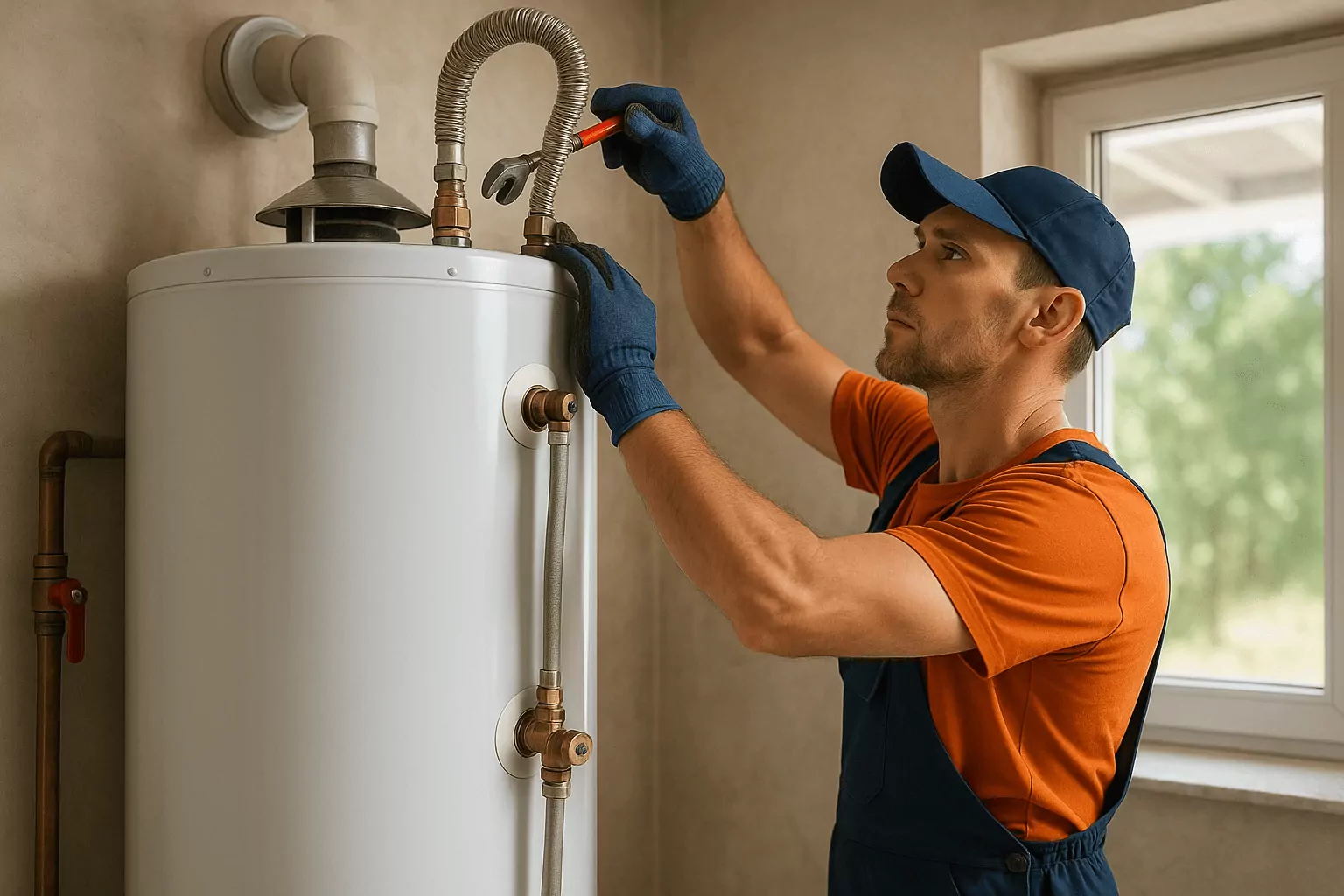
Planning water heater replacement Orange TX can feel overwhelming, but the right guidance will save you time, money, and stress. Whether your current unit is leaking, underperforming, or simply past its prime, a strategic approach ensures you get reliable hot water and lower utility bills. Local water quality, building codes, and climate all influence the best choice for your home and budget. For a quick starting point, explore water heater replacement Orange TX solutions to understand timelines, pricing, and model options. In this guide, you will learn how to choose the right capacity, compare tank and tankless systems, prepare for permits and installation, and maintain performance long after the install. With practical tips from real Orange-area projects, you will be able to make confident, informed decisions.
Know when it is time for water heater replacement Orange TX
Most traditional tank water heaters last 8 to 12 years, while well-maintained units in mild conditions can sometimes reach 15 years. In Orange and Beaumont, mineral content can accelerate sediment buildup that shortens lifespan and reduces efficiency. Tell-tale signs include lukewarm or fluctuating temperatures, popping noises during heating cycles, rusty water, and moisture around the base of the tank. If you notice frequent pilot outages, tripped breakers, or recurring error codes, those are red flags that a repair may not be cost-effective. A quick in-home assessment can confirm whether a targeted fix or a full replacement gives you the best long-term value.
One recent homeowner in Bridge City called because their 12-year-old 40-gallon gas unit struggled to keep up with evening showers and laundry. After flushing the tank and testing the thermostat, our tech measured heavy sediment levels and a declining recovery rate. The repair would have delayed the inevitable and kept energy bills high, so we recommended a right-sized, higher-efficiency replacement. The new unit restored steady hot water, and the family immediately noticed faster reheat times and quieter operation. Their utility bill dropped the next cycle, validating that replacement was the smarter investment.
Small leaks deserve special attention in Southeast Texas because humidity can mask early moisture issues. A damp pan, corrosion around the cold and hot nipples, or staining on nearby drywall can point to looming tank failure. Gas units with corroded venting or insufficient combustion air are also safety concerns requiring prompt action. If your warranty is expired and parts are scarce, replacement often avoids repeat service calls and unexpected downtime. Acting before a catastrophic tank rupture helps protect floors, walls, and personal property from water damage.
Choose the right system for water heater replacement Orange TX
Selecting the best heater starts with capacity and usage patterns, then moves to fuel type, venting, and efficiency ratings. Traditional tanks remain dependable and affordable, with common sizes of 40 to 50 gallons for typical three- to four-person households. Tankless models deliver endless hot water and space savings but require proper gas line sizing, venting, and water quality management. Heat pump water heaters can dramatically reduce energy use, but placement and condensate drainage must be considered in our Gulf Coast climate. A professional load analysis looks at peak demand events, fixture flow rates, and your home's piping to eliminate guesswork.
For many Orange TX families, a 50-gallon high-recovery gas tank delivers excellent value with quicker reheat and a mid-range price. If back-to-back showers and frequent dishwasher cycles are your norm, premium tank models or a properly sized tankless system can stop the hot-water tug-of-war. Electric homes benefit from hybrid heat pump units that cut operating costs, especially in garages or utility rooms with adequate space and airflow. When comparing brands, look at the Uniform Energy Factor (UEF), warranty length, and service accessibility. Longer warranties often signal higher-quality components and better insulation that translates into quieter, more efficient performance.
To narrow your shortlist, focus on the following selection criteria and match them to your daily routines and home constraints:
Costs, permits, and installation for water heater replacement Orange TX
Total project cost depends on unit type, capacity, venting, and site conditions, as well as code updates required during replacement. A like-for-like tank swap is typically the most budget-friendly, while tankless installs can cost more due to gas line upsizing, venting, and wall penetrations. Your estimate should outline equipment, materials, permit fees, labor, haul-away, and any upgrades such as expansion tanks or drain pans. Transparent proposals protect you from surprises and help you compare apples to apples across quotes. Reputable contractors will also discuss warranty registration and first-year service expectations upfront.
Permits and code compliance matter because water heaters are connected to gas, electric, and potable water systems. Expect requirements such as a temperature and pressure relief valve with a properly terminated discharge line, compliant venting for gas models, and bonding or dielectric fittings to mitigate corrosion. In many homes with backflow prevention or pressure-reducing valves, an expansion tank is recommended to protect plumbing fixtures. Electric replacements may need breaker verification and dedicated circuits, while gas units require sediment traps and shutoff valves within reach. These details are not just boxes to check; they safeguard your home and help maintain warranty coverage.
A recent Beaumont project involved upgrading a 15-year-old 40-gallon natural gas heater to a 50-gallon high-recovery model with a new expansion tank. We secured the permit, installed a new drain pan with proper drainage, updated venting to current code, and hauled away the old unit the same day. The homeowner received a clear walk-through of shutoff locations, maintenance tips, and warranty registration steps. For a deeper dive on water heating technologies and savings opportunities, review guidance from the U.S. Department of Energy at energy.gov and compare efficiency ratings via ENERGY STAR. When you are ready to map your own upgrade, explore our water heater replacement service details and get tailored recommendations.
Maximize performance after your water heater replacement Orange TX
Proper setup and care protect your investment and keep energy bills in check. Set water temperature to about 120 F to balance comfort, scald protection, and energy savings. In areas with moderate hardness, schedule an annual flush for tanks and consider a service flush or scale filter for tankless units. Inspect the anode rod every 2 to 3 years on tanks to reduce corrosion and extend life, and verify expansion tank pressure matches house water pressure. For gas units, ensure clear combustion air pathways and keep the area around the heater free of clutter.
Smart controls and recirculation options can elevate comfort and cut waste. A properly timed recirculation pump shortens hot-water wait times at distant fixtures without running 24/7. For tankless systems, right-sized recirculation loops and check valves prevent temperature swings and short cycling. If you travel often, vacation or eco modes prevent unnecessary heating while maintaining protection against freezing where applicable. Basic safety upgrades like carbon monoxide alarms in nearby spaces and routine vent inspections are critical.
Register your warranty promptly and store documentation with your appliance manuals for easy access. Keep a simple maintenance log of flushes, filter changes, and service visits so your plumber can spot trends quickly. If your home has fluctuating pressure, consider adding or checking a pressure-reducing valve to protect fixtures and the heater. For questions about Texas plumbing rules or licensing, refer to the Texas Department of Licensing and Regulation. For tune-ups or a friendly check after installation, our team is here to help through our contact form or by phone.
Water heater replacement Orange TX is smoother and more cost-effective when you know what to expect at each step. By pinpointing the right time to replace, choosing a properly sized and efficient model, and ensuring code-compliant installation, you protect your home and budget. Ongoing care such as annual flushing, anode inspections, and smart recirculation controls will keep performance high and bills low. When you are ready to upgrade, 409 Plumbing delivers clear pricing, fast installation, and friendly follow-through.
Call 409 Plumbing at 409-444-0066 for expert help across Orange, Beaumont, and Bridge City. Request your estimate via our contact form, and let our local pros handle everything from permits to haul-away. We will size your system accurately, recommend the best brands for our climate and water quality, and stand behind the work with dependable support. Your hot water comfort is too important to leave to chance, and our team is ready to help today. Get started with a personalized plan that fits your home, timeline, and budget.
Frequently Asked Questions About Water Heater Replacement
How long do water heaters typically last in Orange TX?
In our area, traditional tank units usually last 8 to 12 years, though water quality, maintenance habits, and usage intensity can shift that range. Regular flushing helps reduce sediment that forces longer heat cycles and drives up energy use. Gas models may show wear sooner if venting is compromised or combustion air is restricted, while electric models depend on stable power and proper breaker sizing. Heat pump units can last longer due to their efficient operation, provided they are installed in suitable spaces with adequate airflow. A quick annual inspection can catch small issues before they shorten your heater's lifespan.
Should I choose a tank or tankless system for my home?
Tank systems excel at meeting short, intense bursts of demand at a lower upfront cost, especially in households with predictable routines. Tankless systems offer unlimited hot water and can save space and energy, but they require careful gas line sizing, venting, and water quality management. If your family often runs multiple showers while doing dishes and laundry, a high-recovery tank or a properly sized tankless with recirculation can solve bottlenecks. Consider installation complexity and total lifetime cost, including maintenance and potential scale control for tankless models. A professional assessment balances comfort, cost, and practicality to match your home's exact needs.
Do I need a permit for water heater replacement in Orange TX?
In many cases, yes, a permit and inspection are required to confirm safe installation and code compliance. This ensures proper venting for gas units, correct discharge of the temperature and pressure relief valve, and appropriate electrical or gas shutoffs. It also helps verify items such as expansion tanks in closed systems and compliant drain pan setups where needed. A permitted job documents that the work meets current standards, which can support insurance and resale. Your licensed installer should handle permitting and coordinate inspection as part of a seamless process.
What size water heater do I need for my family?
Sizing depends on the number of people in your household, simultaneous demand, and fixture flow rates. Many three- to four-person homes do well with a 50-gallon tank or a tankless unit rated around 7 to 9 gallons per minute, depending on winter inlet temperatures. Homes with large soaking tubs or multiple body-spray showers may need larger tanks, higher UEF high-recovery models, or dual-tankless configurations. An in-home evaluation accounts for your specific patterns, such as morning rush hours and laundry timing. Right-sizing avoids running out of hot water while preventing overspending on capacity you will not use.
How quickly can 409 Plumbing replace my water heater?
Most like-for-like tank replacements can be completed the same day once we confirm the model and any code updates. If you choose a tankless or hybrid system, we will plan around any necessary gas line, venting, electrical, or condensate work. Our process includes protecting your floors, removing the old unit, installing the new heater and required accessories, and hauling away debris. Before we leave, we test performance, verify safety devices, and walk you through shutoffs and maintenance tips. Call 409-444-0066 to discuss same-day availability and scheduling that works for your household.

Registered Master Plumber Texas State Board of Plumbing Examiners
RMP #44702
Licensed and Bonded
Cities Serviced
409 Plumbing
Follow Us On
© 2026 409 Plumbing. All Rights Reserved.
Website Design and Hosting Provided by LocalBizBuzz,co