
24 Hour Service
Call 409-444-0066
Expert Tips for Water Heater Flush and Maintenance
in Beaumont
Practical maintenance tips for homeowners in Beaumont to keep your water heater running efficiently and extend its lifespan.
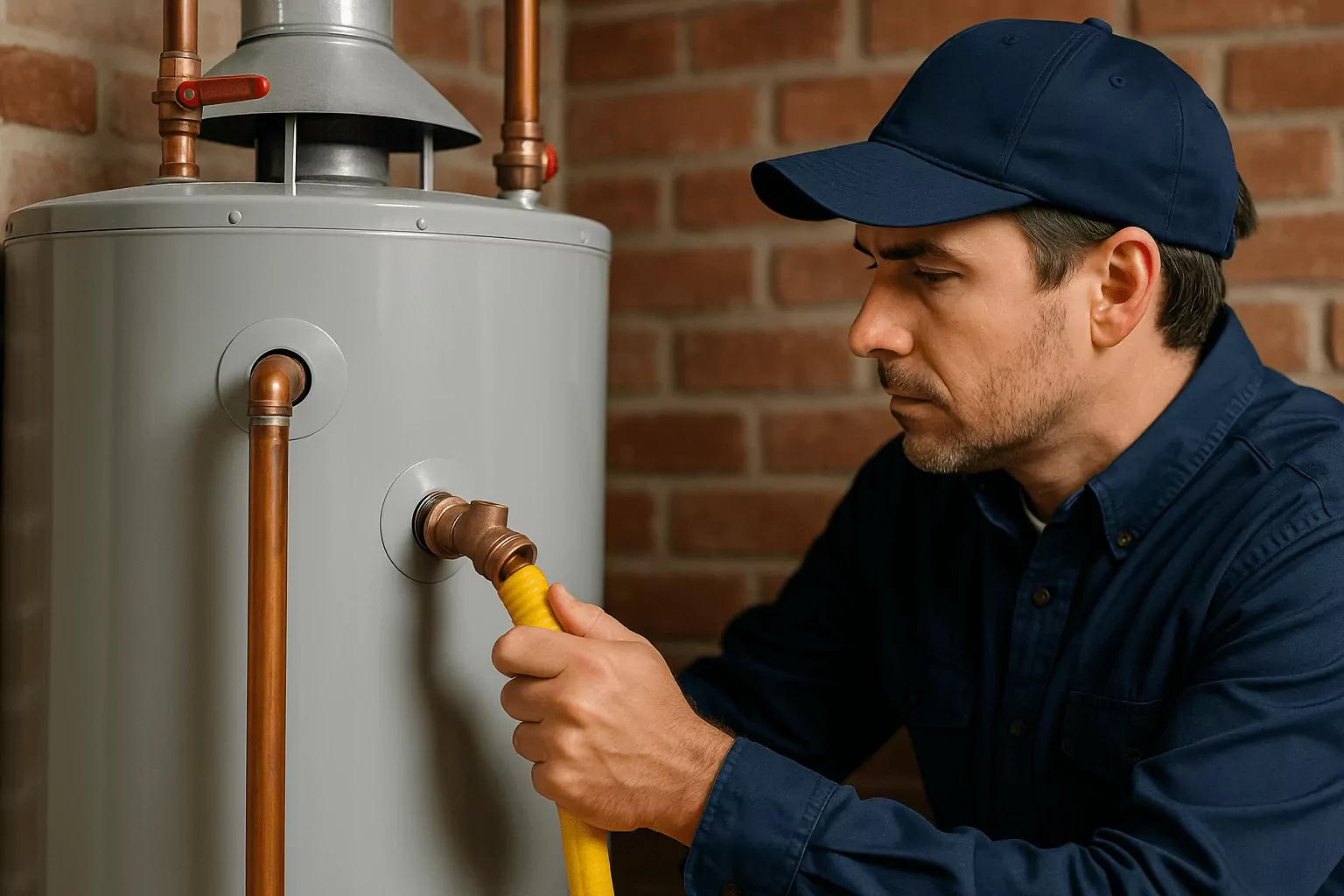
Staying on top of routine maintenance is the easiest way to avoid cold showers, high energy bills, and premature replacements, especially when it comes to a water heater flush Beaumont homeowners can rely on. In our region, minerals in the water settle at the bottom of tanks, creating a layer of insulating sediment that forces your heater to work harder. A thorough annual flush clears this buildup, restores efficiency, and extends the life of both tank and tankless systems. In this article, we share step-by-step guidance, real homeowner examples, and professional insights tailored to Beaumont, Orange, and Bridge City. You will learn when DIY is safe, when to call a pro, and how to set up a preventative plan that fits your home and budget. By the end, you will know how to protect your investment and keep hot water dependable year-round.
Why a water heater flush Beaumont households need prevents breakdowns and wasted energy
Beaumont homes often experience mineral-rich water that leaves sediment deposits inside tank-style heaters. Over time, this sediment blankets the bottom of the tank, which is where the burner or heating element transfers heat to water. When that layer gets thick, the unit must fire longer to produce the same hot water, driving up utility costs and stressing components. That added strain can cause rumbling noises, delayed hot water, or fluctuating temperatures that are easy to overlook until a bigger failure occurs. A scheduled flush removes this barrier, helping restore thermal transfer, shorten recovery times, and reduce wear on the thermostat and burner assembly.
Local case studies show the impact clearly. In West Beaumont, a family with a 10-year-old 50-gallon tank reported long waits for hot water at peak times and popping sounds during heat cycles. After a professional flush, recovery time improved by nearly 30 percent, the noises disappeared, and gas usage normalized on the next billing cycle. Across Orange and Bridge City, we see similar improvements after clearing six to eight inches of mineral sludge from older tanks. The return on a yearly flush often includes lower bills, quieter operation, and a measurable extension of the unit's service life.
Step-by-step water heater flush Beaumont homeowners can follow safely
Before you begin, take safety seriously and prepare your space. Turn off power at the breaker for electric heaters, or set gas controls to pilot and shut off the gas supply if you will be working extensively. Close the cold-water inlet valve on the heater, and allow the tank to cool if it has been running, which protects you from scalding. Place towels or a drain pan near the drain valve, and route a garden hose to a floor drain or safe outdoor area. Have a screwdriver and bucket ready for the temperature and pressure relief valve test, and consider rubber gloves and safety glasses.
With the prep done, connect the hose to the drain valve near the bottom of the tank and open a nearby hot water faucet to relieve vacuum. Open the drain valve and let the tank empty until water stops flowing, which carries most sediment out. Close the valve, open the cold-water inlet briefly to stir remaining debris, and drain again to flush thoroughly. Repeat until water runs clear, then close the drain, remove the hose, and reopen the cold inlet to refill the tank. Once full, restore power or relight per manufacturer instructions, then test hot water at a faucet and check for drips at the drain valve and fittings.
Two extra tips can make your results last longer. First, test the temperature and pressure relief valve by lifting the lever briefly to ensure proper discharge and then reseating it; replace it if it drips. Second, inspect or have a pro check the anode rod, which sacrifices itself to prevent tank corrosion and often needs replacing every 3 to 5 years. If you encounter heavy clogging at the drain valve, gently inserting a small wire into the valve opening can help break up compacted sediment. When in doubt, pause and contact a licensed plumber to avoid damaging the valve, liner, or gas controls.
DIY vs pro service: choosing the right water heater flush Beaumont residents can trust
Many homeowners can handle a basic flush, but there are situations where calling a pro saves time and prevents damage. If your heater is older than 8 to 10 years, the drain valve is stuck, or you hear loud hammering even after a partial drain, professional equipment and techniques can resolve stubborn buildup safely. Tankless units also require a different process that circulates a descaling solution with a pump set, which should follow the manufacturer's instructions precisely. A licensed technician can simultaneously check gas pressure, combustion quality, venting, and anode condition while they flush, delivering a more complete tune-up. That layered approach helps catch small issues like a weak igniter, failing thermostats, or minor leaks before they become emergencies.
At 409 Plumbing, our annual service combines flushing, safety checks, and efficiency testing in one visit, tailored for Beaumont, Orange, and Bridge City water conditions. A recent Bridge City service call found a nearly blocked drain valve and significant scale buildup; our tech used a descaling solution and safe backflushing to restore flow without replacing the valve. Afterward, the homeowner reported quieter operation and consistent hot water during morning showers. If you prefer turnkey care, explore our water heater solutions on our services page, or request a visit now through our contact form. You can also learn more about system upkeep via our latest tips on the blog.
Build a maintenance plan that fits Beaumont, Orange, and Bridge City homes
A predictable schedule prevents surprises and helps maintain manufacturer warranty compliance. For most homes, plan a full flush once a year, or twice annually if you notice rapid sediment accumulation, rumbling, or cloudy water. Pair the flush with a thermostat check, TPR valve test, expansion tank inspection, and a quick look at gas or electrical connections. Consider a whole-home filter or water softener if you routinely see heavy scale inside aerators and showerheads, which suggests hard water is stressing your heater. Keep a simple log of service dates, any parts replaced, and performance notes so trends are easy to spot.
Efficiency gains from this plan can be substantial over time. A clean tank heats faster and cycles less, which reduces energy use and wear on burners, elements, and thermostats. Maintaining proper temperature settings around 120 F also cuts standby losses and lowers scald risk, especially in homes with children. For manufacturer guidance and safety best practices, the U.S. Department of Energy offers helpful resources on water heating, and brands like Rheem provide detailed flushing tutorials such as this guide. If you need an expert hand, schedule a trusted water heater flush Beaumont homeowners count on and keep your system running smoothly.
Regular flushing is the simplest, most cost-effective way to protect your water heater, improve efficiency, and keep showers reliably hot. By following the safe, step-by-step method above, you can remove sediment, quiet noisy operation, and extend the life of your system. When issues are complex or your unit is older, a professional tune-up provides deeper cleaning and preventive checks that catch small problems early. Whether you live in Beaumont, Orange, or Bridge City, a consistent maintenance plan will stabilize energy costs and prevent surprise breakdowns. For expert help, schedule service with 409 Plumbing by calling 409-444-0066 today.
Ready to restore peak performance and peace of mind? Explore our full range of water heater solutions on the services page, learn from new tips on our blog, or request an appointment now via our contact form. Our licensed team proudly serves Orange, Beaumont, and Bridge City with prompt, friendly service and clear, upfront pricing. We look forward to helping you keep hot water dependable year-round.
Frequently Asked Questions About Water Heater Flushing and Maintenance
How often should I flush my water heater in Beaumont?
Most homes benefit from an annual flush, but the ideal frequency depends on water hardness and usage. If you notice rumbling, slower recovery, or cloudy water after a few months, moving to a twice-yearly schedule can help. Homes with water softeners may be able to extend intervals slightly, though annual safety checks are still important. For tankless units, follow the manufacturer's timeline, often every 6 to 12 months, to remove scale from the heat exchanger. When in doubt, ask a licensed pro to assess sediment levels and tailor a flush plan for your household size and water quality.
Will flushing really improve hot water performance and lower my bills?
Yes, clearing sediment improves heat transfer so your heater does not run as long or as often to deliver hot water. Many homeowners report faster recovery, more stable temperatures, and quieter operation after a proper flush. Over a year, those shorter run times add up to noticeable savings on gas or electricity, especially during heavy use. Flushing also reduces stress on controls and sensors, helping prevent nuisance shutdowns and extending the lifespan of parts. For more on energy-saving opportunities, review federal guidance on efficient water heating and consider pairing a flush with a thermostat check to fine-tune settings.
Can I flush a tankless water heater myself, or should I call a pro?
Tankless flushing is different from tank flushing because it requires circulating a descaling solution through the heat exchanger using a pump and service valves. Many manufacturers provide owner guides, but the process must be followed precisely to avoid damage to sensors and controls. If your unit lacks isolation valves or you are unsure of the procedure, scheduling a professional service is safer and often faster. A pro will check error codes, flow rates, and combustion or element performance while descaling to ensure full restoration. If you want help choosing the right approach, contact 409 Plumbing through our contact page for a quick consultation.
Registered Master Plumber Texas State Board of Plumbing Examiners
RMP #44702
Licensed and Bonded
Cities Serviced
409 Plumbing
Follow Us On
© 2026 409 Plumbing. All Rights Reserved.
Website Design and Hosting Provided by LocalBizBuzz,co