
24 Hour Service
Call 409-444-0066
Expert Tips for Troubleshooting a Tankless Water Heater Not Heating in Beaumont
Solve common issues with your tankless water heater not heating in Beaumont and get back to enjoying hot water fast.
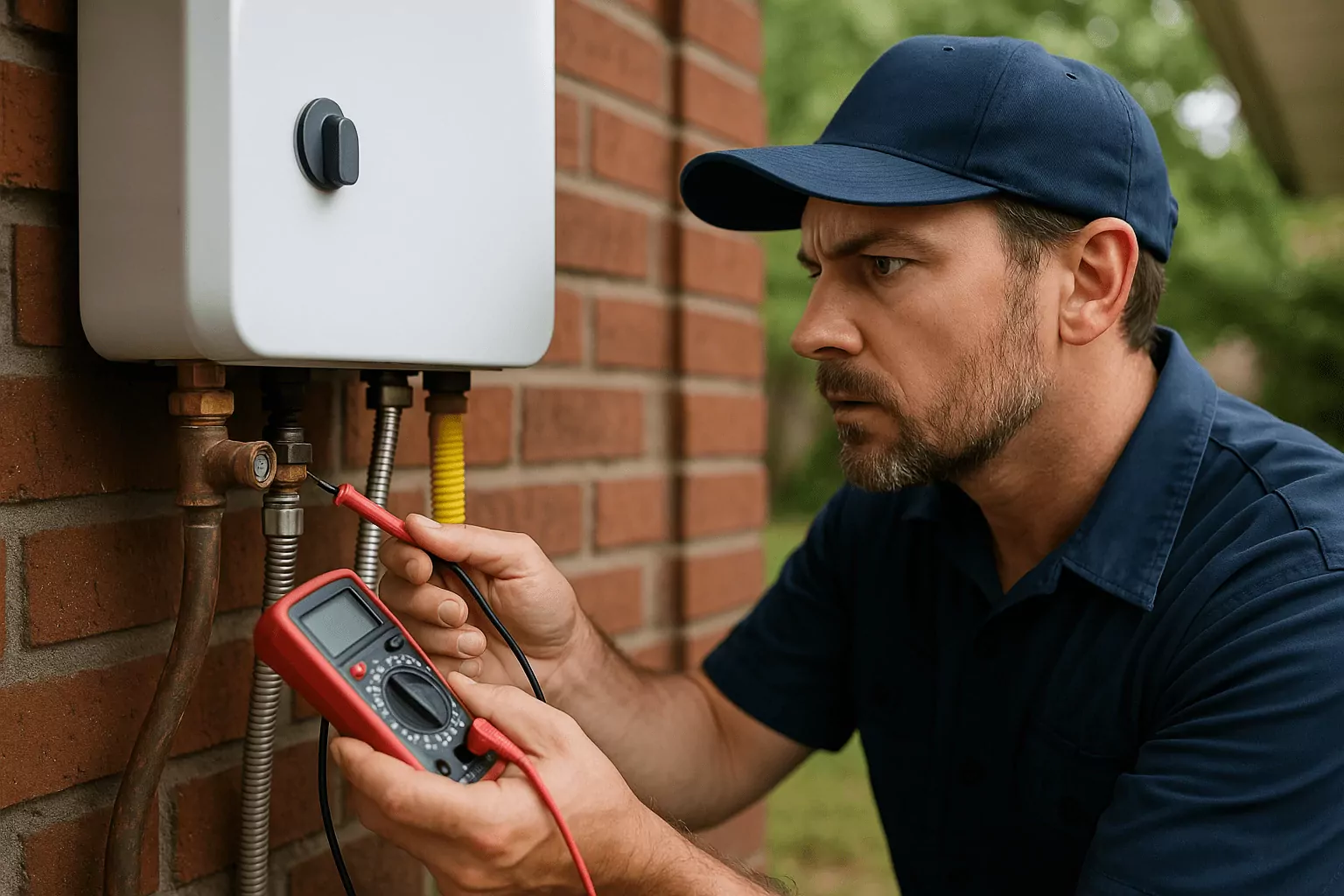
If you are dealing with a tankless water heater not heating Beaumont homes, you are not alone. Gulf Coast conditions, seasonal groundwater changes, and heavy hot water demand can all expose weaknesses in setup, maintenance, or sizing. This guide walks you through fast checks, deeper diagnostics, and proven fixes to restore consistent hot water. We will also share local insights from service calls around Beaumont, Orange, and Bridge City so you know when a DIY step is enough and when to call a pro. For a quick reference, bookmark this page and revisit it whenever symptoms return after storms or high-usage weekends. Start with the basics, move to targeted tests, and if needed, tap our team for same-day help on a tankless water heater not heating Beaumont call.
Quick checks when your tankless water heater not heating Beaumont homes disrupts daily routines
Begin with the simplest issues that frequently block heat production in Beaumont households. Confirm hot water is selected at the fixture and wait at least 30-60 seconds, as tankless systems need a continuous flow to ignite and stabilize. Turn on only one high-flow fixture to avoid starving the unit, since some models require a minimum flow rate of 0.4-0.8 gallons per minute to fire. Check the inlet water filter screen on the cold side of the heater for sand or sediment, which are common after main-line work or heavy rains. If your home has pressure-balancing shower valves, test a different tap; some valves mix too much cold water and can mimic a failed heater.
Review the temperature setting on the control module, aiming for 120-125 F for everyday use and scald safety. If someone recently adjusted the setpoint downward or switched the unit to vacation mode, the output may feel lukewarm or cold. Verify that isolation valves are parallel to the piping (open), not perpendicular (closed), which would prevent flow through the heat exchanger. Many homeowners in Beaumont experience a "cold water sandwich" when fixtures are cycled rapidly; let the line purge fully to restore steady heat. When these steps fail, proceed to fuel, power, and venting checks that directly affect ignition and combustion.
Fuel, power, and venting diagnostics for tankless no-heat in Beaumont
On gas models, confirm the gas shutoff valve is open and that your utility service is active after storms or maintenance. Low gas pressure, undersized gas lines, or kinked flex connectors can prevent ignition, leading to intermittent cold water; a licensed tech can measure static and dynamic pressure. If you use propane, check tank level and regulator condition, particularly after a cold snap or refueling. Electric tankless units require full voltage and dedicated breakers; inspect the panel for a tripped breaker and reset once. For both gas and electric, scan the display for error codes and consult the manufacturer's troubleshooting charts, such as those provided by major brands and the U.S. Department of Energy guidance on demand heaters at Energy.gov.
Proper venting and combustion air are critical on high-efficiency condensing units common in Beaumont remodels. Blocked intake or exhaust, bird nests in terminations, or crushed vent sections can force a safety shutdown with no heat output. Inspect outside terminations for wind-driven debris, salt-laden corrosion, or standing water after heavy rainfall. Ensure the condensate line is clear and pitched correctly; a backed-up trap can trip float switches and halt firing. If you see recurring error codes, consult brand-specific resources like Noritz Support or your manufacturer's manual and consider scheduling a professional combustion analysis for accurate diagnosis.
Scale, filters, and maintenance to restore heat and efficiency
Mineral scale is a top reason for a tankless water heater not heating Beaumont homes efficiently, especially with moderate hardness in local water. Scale insulates the heat exchanger surfaces, causing overheating and rapid shutdown, or it reduces heat transfer so water never gets hot. Inspect the cold-side inlet screen for grit, and clean it if you see deposits. If your unit has service valves, perform a descaling flush using a pump, hoses, and 4-6 gallons of white vinegar for 45-60 minutes, following the manufacturer's procedure. After flushing, clear the condensate trap (if applicable) and reset the unit, then retest hot water at a single high-flow fixture.
We recently serviced a Bridge City homeowner who lost heat after weeks of on-and-off lukewarm water; the inlet screen was packed with rust flakes from recent city work, and the heat exchanger was scaled. A full vinegar flush and screen cleaning restored full output and stabilized temperature. In Orange, another case involved a unit that ignited but shut down after 10-15 seconds; scale had triggered high-limit protection, and flushing solved the short-cycling. For ongoing reliability, follow basic tips from trusted sources like ENERGY STAR on water heaters and set calendar reminders for biannual checks. Consistent maintenance reduces emergency calls and improves both performance and lifespan.
Sizing, settings, and seasonal factors that limit hot water in Beaumont
Even a perfectly functioning unit can struggle if demand exceeds its rated capacity. Tankless units are sized by gallons per minute at a target temperature rise, which depends on the incoming water temperature. In winter, Beaumont's inlet water can drop, increasing the required rise by 10-20 F and reducing your available flow. If two showers, a dishwasher, and a washing machine run together, the heater may throttle flow to maintain temperature or deliver lukewarm water. Test by running one hot fixture at a time; if temperature stabilizes solo but not during multi-use, demand is the culprit.
Review setpoints and special modes, especially if your unit has recirculation or eco settings that alter ignition behavior. A setpoint of 120-125 F is a practical starting point for most families and reduces scald risk while ensuring comfort. Confirm that low-flow fixtures still meet your unit's minimum activation rate; ultra-efficient showerheads may need pairing with a second small draw to trigger consistent heating. If you have upgraded bathrooms or added a soaking tub, consider a second unit or a higher-capacity model. For a personalized load calculation and upgrade options, explore our water heater services and request a right-sizing assessment.
When you face a tankless water heater not heating Beaumont homes or businesses, follow a clear path: verify flow and settings, confirm fuel and power, inspect venting, and address scale. Seasonal inlet water changes and high simultaneous demand often explain sudden no-heat or lukewarm complaints, especially during busy weekends. Regular maintenance, including inlet screen cleaning and annual descaling, prevents most shutdowns and stabilizes comfort. If DIY steps do not restore hot water, 409 Plumbing can diagnose pressure, combustion, and control issues quickly and safely. Call 409 Plumbing at 409-444-0066 or visit our contact form to schedule service anywhere in Orange, Beaumont, or Bridge City. For more tips and homeowner guides, check our blog and keep your hot water system running at peak efficiency.
Frequently Asked Questions About a Tankless Water Heater Not Heating
Why is my tankless heater running but the water is not getting hot?
First, confirm a single high-flow fixture is open long enough to trigger ignition, and check the temperature setpoint is at least 120 F. Sediment-clogged inlet screens and low flow rates are frequent culprits in Beaumont homes after utility work or heavy storms. If the unit displays an error, reference your brand's code list and verify gas, power, and venting status. Scale buildup can cause the heater to fire and then shut down on high-limit protection, resulting in short bursts of warmth followed by cold. If quick checks fail, a professional can test gas pressure, inspect venting, and perform a descaling flush to restore stable heating.
How do I know if scale is the reason my tankless water heater is not heating properly?
Common signs include fluctuating temperatures, ignition followed by rapid shutdown, and louder-than-usual burner noise. Faucets and showerheads with reduced flow or visible white deposits suggest broader mineral issues. If your inlet screen shows grit or calcium, your heat exchanger likely has deposits as well. Conduct a vinegar flush with service valves and a pump, then recheck temperature stability at a single tap. For homes in Beaumont with moderate hardness and multiple users, plan annual flushing and consider a scale reduction filter to prevent recurring no-heat episodes.
Can winter or recent storms in Beaumont make my tankless water heater act like it is not heating?
Yes, seasonal changes and storms can affect both demand and equipment behavior. Colder inlet water in winter reduces the unit's maximum deliverable flow at your chosen temperature, so multi-use may feel lukewarm or cold. Thunderstorms and outages can trip breakers, disrupt control boards, or leave gas valves closed; always check power and fuel after a storm. Debris or moisture intrusion at vent terminations can also cause safety shutdowns until cleared. If symptoms appear after severe weather, start with fuel, power, and vent checks, then test single-fixture operation before scheduling service.
Should I repair or replace a tankless unit that keeps failing to heat?
Consider age, maintenance history, error patterns, and total hot water needs. Units under 10 years old with good maintenance typically benefit from targeted repairs like descaling, sensor replacement, or gas line adjustments. Chronic ignition failures tied to undersizing, corroded venting, or repeated control board issues may justify replacement. If your household has grown or you added high-demand fixtures, an upgrade can eliminate recurring no-heat moments and improve efficiency. A local evaluation can compare repair costs versus long-term savings from a right-sized, high-efficiency replacement.
Registered Master Plumber Texas State Board of Plumbing Examiners
RMP #44702
Licensed and Bonded
Cities Serviced
409 Plumbing
Follow Us On
© 2026 409 Plumbing. All Rights Reserved.
Website Design and Hosting Provided by LocalBizBuzz,co