
24 Hour Service
Call 409-444-0066
Expert Tips for Safe Gas Line Rerouting in Beaumont
Practical advice for homeowners in Beaumont to safely reroute gas lines without costly mistakes or hazards.
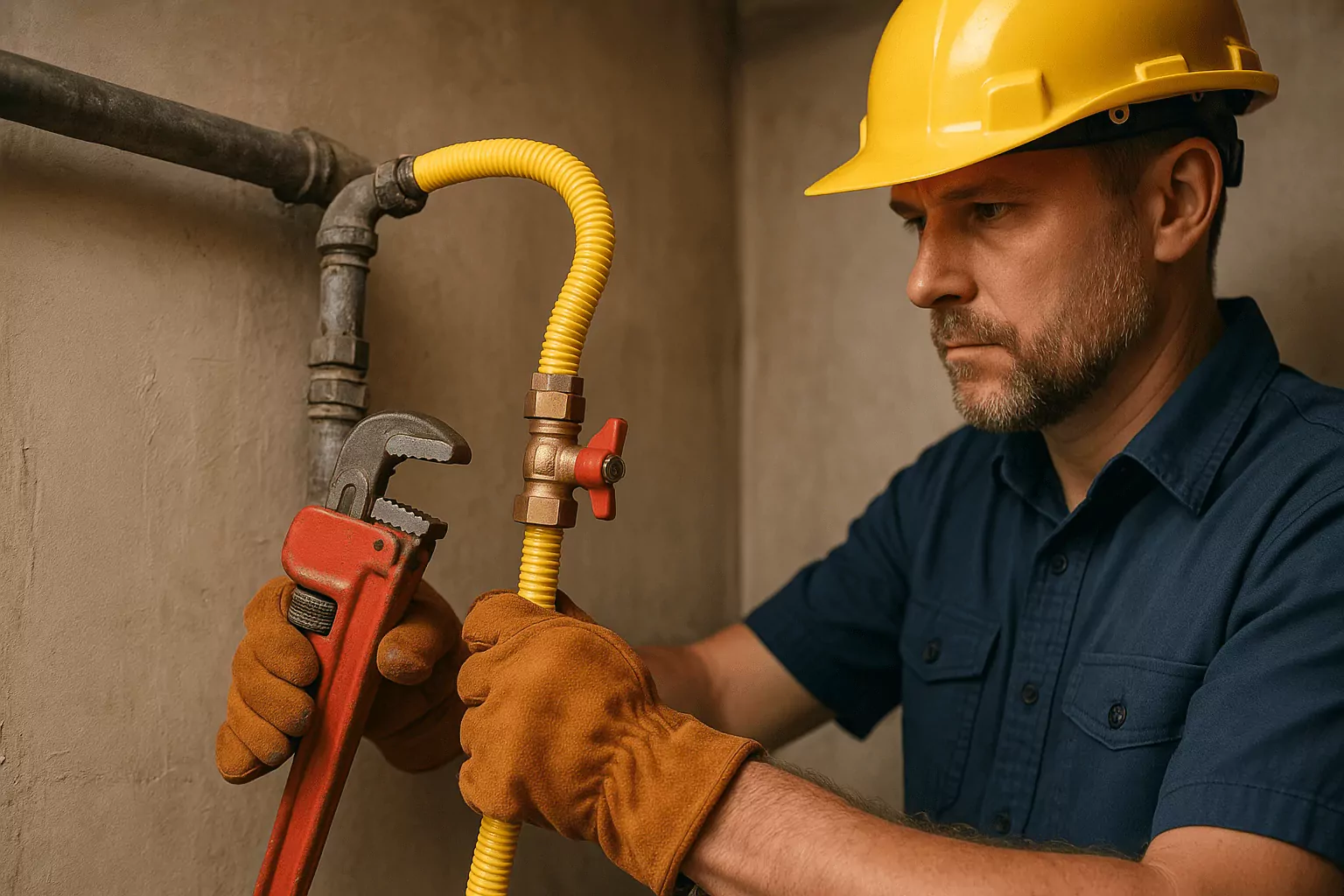
Planning a gas line reroute is not something to rush, especially in Beaumont where soil conditions, aging infrastructure, and local codes all play a role. Homeowners and contractors alike need a clear, safe, and compliant plan for gas line rerouting Beaumont projects to avoid costly delays and hazards. Whether you are remodeling a kitchen, adding an outdoor kitchen, or moving appliances, a systematic approach reduces risk. The right team evaluates load demands, appliance locations, and pressure requirements before moving a single pipe. In this guide, we share proven practices our Gulf Coast crews use to keep projects on schedule and within code. You will learn how permits, materials, and methods come together to deliver a reliable, leak-free reroute.
When and why gas line rerouting Beaumont projects make sense
Rerouting typically comes up during renovations, appliance upgrades, or foundation repairs that disrupt existing gas paths. In Beaumont and neighboring Orange and Bridge City, homeowners often reroute lines to accommodate new tankless water heaters, gas fireplaces, or patio cooktops. Another driver is replacing outdated steel piping with code-compliant materials that resist corrosion and ground movement. After storms or slab shifts, rerouting can also reduce future stress on lines by choosing more stable paths. In each scenario, a feasibility assessment identifies the safest, shortest, and most serviceable route.
Consider a Beaumont kitchen remodel where the range moves to an island and a new gas dryer is added. The original route may be too long or cross structural members that cannot be penetrated without engineering approval. A revised run, sized for total BTU demand, can shorten length, reduce fittings, and improve pressure stability. Our teams often propose a manifold system with dedicated branches to each appliance for easier isolation and service. This approach improves safety, performance, and future flexibility as your home evolves.
Local context also matters because clay soils and high humidity can accelerate corrosion on older buried lines. That is why many gas line rerouting Beaumont plans include elevating or sleeving lines to extend their lifespan. If you are researching options, start by reviewing gas line rerouting Beaumont resources and setting a site visit with a licensed pro. Small design decisions early on can prevent slab leaks, appliance underperformance, and repeated service calls. Clear goals and code-aligned routing keep your project predictable and safe.
Permits, codes, and inspections that govern gas line rerouting Beaumont
Compliance is non-negotiable, and it begins with permits from the City of Beaumont before any work starts. Your contractor should reference NFPA 54 (National Fuel Gas Code) and applicable local amendments to design and document the reroute. Inspectors typically verify pipe sizing, material approvals, support spacing, burial depth, tracer wire on non-metallic pipe, and proper shutoff valves. They will also require a pressure test, usually with a calibrated gauge, to prove the system is leak-free before activation. Skipping steps or using unapproved materials risks red tags, rework, and safety hazards.
Homeowners sometimes ask whether a small reroute inside a wall still needs permits and inspections. The answer is yes in most cases, because even minor changes affect system integrity and must meet code. In Beaumont, documentation and testing provide a record that protects you during sales, insurance claims, and utility coordination. A thorough submittal package speeds approvals and shows inspectors you are committed to safety. Coordinating visits to minimize downtime also gets your appliances back online faster.
Rely on authoritative resources as you plan. The National Fire Protection Association maintains fuel gas standards relevant to residential and commercial projects at NFPA codes and standards. For municipal permitting specifics, visit the City of Beaumont site at beaumonttexas.gov or contact local building services. Using current, official references keeps your project aligned with inspectors and utilities.
Planning, materials, and safety controls that deliver reliable results
A strong plan begins with accurate load calculations and a route sketch that minimizes fittings and conflict points. Your installer will calculate cumulative BTU demand, allowable pressure drop, and pipe sizing for each segment. Material selection follows, often using CSST or black steel indoors and polyethylene (PE) for approved exterior runs. Safety controls such as appliance shutoff valves, sediment traps, and bonding of metallic systems are integrated into the design. Before work begins, a site safety plan addresses excavation, confined spaces, and ignition source control.
Execution benefits from a simple, repeatable workflow that keeps quality checks front and center. A typical field sequence includes these milestones: layout and mark-out, utility locates, isolation and purging, demo of abandoned lines, rough-in, supports, and leak testing. Pressure testing happens before concealment and again after any final tie-ins to account for potential disturbances. Documentation of pressures, durations, and gauges used supports inspection sign-off and future service calls. Final commissioning confirms appliance operation, combustion air, and venting where applicable.
Safety during excavation and structural penetrations is critical for both crews and occupants. Follow OSHA guidance for trenching, shoring, and spoil placement to reduce collapse risk, especially in saturated soils. See the agency's overview at OSHA Trenching and Excavation for best practices. Indoors, protect finished surfaces, control dust, and verify clearances before coring or drilling. Keeping a tidy site and communicating shutdown windows builds trust and keeps projects efficient.
Methods and case studies: trenchless options, interior reroutes, and coastal considerations
Many Beaumont reroutes benefit from trenchless techniques that reduce landscaping damage and speed timelines. Pipe bursting or directional boring can replace long exterior runs with fewer pits and less restoration. Interior reroutes often use properly supported black steel or CSST to navigate joists and studs with minimal openings. In flood-prone or high-moisture areas, designers favor elevated runs and protective sleeves to limit corrosion risks. Each method is chosen based on soil conditions, access, and appliance requirements.
Consider a Bridge City patio upgrade where the homeowner added a 90,000 BTU grill and a gas fire table. A trenchless bore under a stamped concrete patio avoided demolition and reduced the project timeline by two days. The crew installed PE piping with tracer wire and transitioned to steel at the riser using approved fittings. After a 15 psi, 30-minute pressure test with no drop, the system passed inspection on the first visit. The final result was clean, code-compliant, and minimally disruptive to the property.
In Orange, a historical home needed an interior reroute to accommodate a new tankless water heater and relocated range. The existing undersized branches were reworked into a central manifold with clearly labeled shutoffs for each appliance. Bonding and bonding continuity were verified, and sediment traps were added at all drip legs for protection. The homeowner received updated as-builts and maintenance tips, reducing future service uncertainty. These outcomes reflect the value of disciplined planning and communication on gas line rerouting Beaumont projects.
Safe, efficient gas line rerouting Beaumont projects depend on informed planning, code compliance, and disciplined execution. From calculating BTU loads to choosing the right materials and methods, each step supports a leak-free result. Permits, inspections, and thorough testing protect your family, your investment, and your timeline. Whether you are in Beaumont, Orange, or Bridge City, a local, licensed specialist makes the process smoother. For expert help, contact 409 Plumbing at 409-444-0066.
Need to get started today or have a quick question about your layout or appliance sizing? Explore our gas line services, read more home safety tips on our blog, or request a site visit via our contact form. Our team serves Beaumont, Orange, and Bridge City with permit-ready plans and on-time inspections. We bring clear communication, documented testing, and clean job sites to every reroute. Call now and put our local expertise to work on your project.
Frequently Asked Questions About Gas Line Rerouting
Do I need a permit for a small gas line reroute inside my home?
Yes, most gas line rerouting Beaumont projects require permits and inspections, even for short interior changes. Permitting ensures your work meets NFPA 54 and local amendments, protecting safety and property value. Inspectors will verify pipe sizing, approved materials, support spacing, and testing results before approval. This process also creates a paper trail useful for insurance and real estate transactions. Starting with permits prevents costly rework and schedule delays later.
How long does a typical residential reroute take in Beaumont?
Most single-appliance reroutes finish in one to two days, depending on access and inspection timing. Multi-appliance projects that include trenching, manifold upgrades, or slab penetrations can take three to five days. Your schedule hinges on permit issuance, utility coordination, and inspection appointments. Crews often stage work to restore service quickly while finishing cosmetic repairs afterward. A detailed plan and clear communication will keep your timeline predictable.
What materials are best for gas line rerouting in our climate?
Approved black steel or CSST are common indoors, while PE piping is used for certain exterior underground runs. In Gulf Coast humidity and clay soils, corrosion resistance and proper transitions are essential. Tracer wire on non-metallic pipe and protective sleeves at penetrations support long-term reliability. Your installer will select materials that meet code, site conditions, and appliance demands. The right combination balances durability, serviceability, and cost.
How is safety verified before the gas is turned back on?
Licensed pros perform pressure tests using calibrated gauges and document hold times for inspector review. They also verify leak-free fittings, correct shutoff placement, bonding continuity, and sediment traps. Appliances are then restarted, and combustion air and venting are checked where applicable. A final walk-through confirms labeling, access to valves, and cleanup. Only after passing inspection is the system officially placed back into service.

Registered Master Plumber Texas State Board of Plumbing Examiners
RMP #44702
Licensed and Bonded
Cities Serviced
409 Plumbing
Follow Us On
© 2026 409 Plumbing. All Rights Reserved.
Website Design and Hosting Provided by LocalBizBuzz,co