
24 Hour Service
Call 409-444-0066
Expert Tips for Overflowing Toilet Repair in Port Arthur TX: What You Need to Know
Practical solutions and local insights for homeowners facing overflowing toilet issues in Port Arthur, TX.
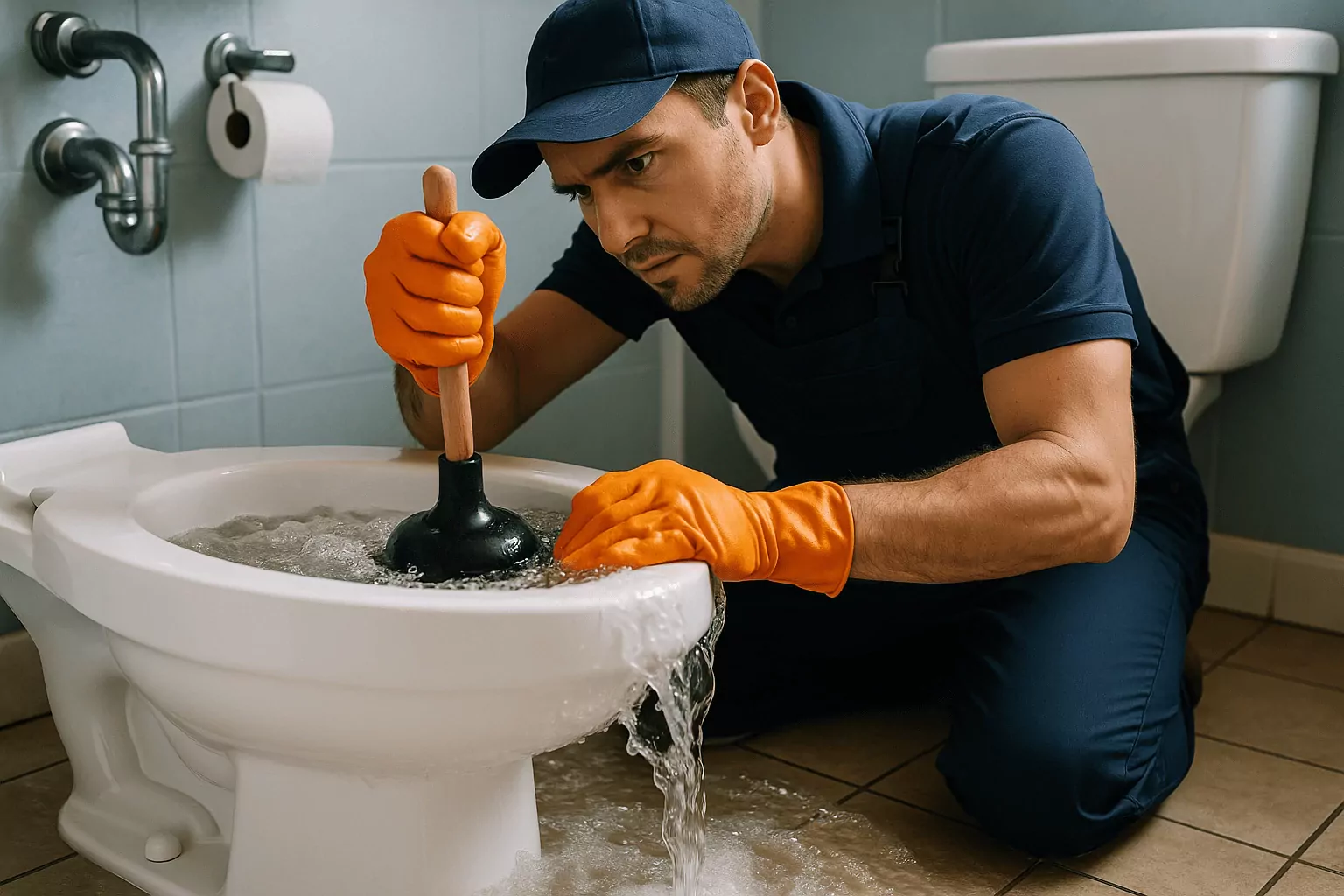
If you are dealing with an urgent toilet overflow, getting fast, reliable overflowing toilet repair Port Arthur TX guidance can save time, money, and stress. Homeowners across Jefferson County face unique plumbing challenges, from aging sewer lines to coastal weather that can strain drainage systems. In this guide, you will learn immediate steps to stop the flow, how to diagnose root causes, and when to call in a professional for lasting results. We will also share real-world examples from Southeast Texas homes to illustrate what works and what to avoid. Our goal is to help you protect your home, reduce water damage, and restore bathroom functionality quickly and safely. By the end, you will have a clear action plan and practical tips you can use today.
Understanding overflowing toilet repair Port Arthur TX: how to stop the flow safely
When a toilet begins to overflow, act quickly to limit damage and keep your family safe. First, remove the tank lid and lift the flapper to stop water entering the bowl, then shut off the angle stop valve at the base of the toilet by turning it clockwise. If water keeps rising, turn off your home's main water supply and place towels to contain the spread, keeping children and pets away from the area. Avoid flushing again until you identify whether the blockage is in the toilet trapway, the waste line, or further down the stack. If wastewater has touched floors or baseboards, follow basic safety guidance for cleanup and disinfection; the CDC provides helpful steps for sewage-contaminated water handling. For a quick reference, see the CDC's cleanup facts to protect your home and health during incidents like these.
Once the flow is controlled, consider likely causes common to Port Arthur homes, such as excessive paper, non-flushable wipes, or mineral build-up from hard water. Many overflows start with items labeled flushable that do not break down, which the EPA cautions can clog private laterals and municipal mains. Use a high-quality plunger with a flange to create a strong seal, applying steady, vertical strokes to dislodge localized clogs. If plunging fails, a closet auger can navigate the toilet's trapway to retrieve or break apart obstructions without removing the fixture. Avoid chemical drain cleaners, which can damage seals and finishes and may not address the real blockage. For prevention insights on wipes and other non-dispersibles, review the EPA's guidance at https://www.epa.gov/npdes/sanitary-sewer-overflows.
Diagnosing causes behind overflowing toilet repair Port Arthur TX issues
Not all overflows come from the same problem, and understanding the difference saves time and repeat callbacks. A single overflowing toilet that gurgles when flushed typically indicates a localized trapway obstruction or a partial blockage in the immediate branch line. If multiple fixtures back up simultaneously, the issue may be a main sewer line clog, root intrusion, or a belly in the line caused by settling soil. In coastal Texas, heavy rains and high groundwater can infiltrate aging laterals, reducing flow and triggering intermittent backups. Faulty tank components also contribute: a misadjusted fill valve can overfill the tank, and a worn flapper can cause phantom refills that mask early warning signs. By observing these clues, you can decide whether simple tools will resolve the issue or if you need camera inspection and hydro-jetting.
Here is a case from a Port Arthur duplex where the first-floor toilet overflowed twice in one week despite plunging. The residents noticed slow drains in the tub and a faint gurgling in the kitchen sink every time the toilet was used, pointing to a shared branch or mainline restriction. A camera inspection revealed dense grease buildup and early-stage root intrusion near a joint, common in older clay or cast-iron laterals found across Southeast Texas. After sectional hydro-jetting and cutting roots with the right-sized head, flow was restored and verified with a post-cleaning camera pass. The landlord implemented a maintenance plan with semi-annual jetting and added a simple tenant guide on what not to flush, which reduced service calls significantly. This stepwise approach prevented recurring damage and reduced costs compared with reactive, one-off clog removals.
Prevention, DIY fixes, and when to call for overflowing toilet repair Port Arthur TX
Smart prevention starts with what you flush and regular attention to small warning signs. Educate everyone in the home that wipes, paper towels, cotton swabs, and menstrual products belong in the trash, not the bowl; even items marketed as flushable can persist in pipes and form blockages. Test toilets annually for slow performance, and inspect tank parts like the flapper and fill valve; these low-cost replacements restore proper fill levels and reduce random refills that hide leaks. In homes with trees near the sewer lateral, consider an annual camera inspection to catch root intrusion early and plan a maintenance jet before peak hosting seasons. For households that experienced prior overflows, keep a flange plunger and a 3-foot closet auger on hand and know where the shut-off valves are. For broader context on preventing backups and household wastewater problems, Texas residents can review TCEQ water quality resources.
While confident DIYers can resolve many minor clogs, certain red flags indicate it is safer and faster to call a licensed plumber. If the toilet overflows without flushing, or if backups involve multiple fixtures, you may have a severe obstruction or sewer line defect that requires professional equipment. Unusual odors, wet spots in the yard, or repeated slow drains often signal a compromised lateral that needs inspection and possibly trenchless repair. If wastewater touched porous materials like wood flooring, drywall, or insulation, professional cleanup and disinfection are critical for health and mold prevention. In emergencies, choose a local team experienced with coastal Texas systems and responsive scheduling. For rapid help, explore our emergency plumbing options or our full range of plumbing services, and consider bookmarking this page for future reference.
Overflow emergencies are stressful, but with the right steps and support, you can protect your home and restore function quickly. By stopping the water safely, diagnosing the cause, and using proven tools, many minor clogs can be resolved without damage. When symptoms point to bigger issues like mainline obstructions or structural defects, calling a professional saves time and prevents recurring problems. For residents seeking trusted, local service, 409 Plumbing provides responsive solutions backed by regional expertise across Orange, Beaumont, Bridge City, and nearby communities. To get help now or schedule preventive maintenance, call 409 Plumbing at 409-444-0066. For immediate scheduling, you can also contact 409 Plumbing online anytime or learn more about our plumbing services.
Resources About Overflowing Toilet Repair
Frequently Asked Questions About Overflowing Toilet Repair
What should I do first when my toilet is overflowing in Port Arthur?
Immediately lift the tank lid and close the flapper to stop water from entering the bowl, then turn the shut-off valve clockwise at the base of the toilet. Keep people and pets away, place towels to contain water, and avoid additional flushing until the cause is identified. Use a flange plunger to attempt a clear, and if needed, follow with a closet auger to reach the trapway. If water backs up into other fixtures, suspect a mainline clog and shut off the main water supply. Disinfect any areas touched by wastewater using guidelines from the CDC, and ventilate the bathroom to reduce odors. If the overflow persists or you see multi-fixture symptoms, call a professional right away.
Are chemical drain cleaners safe for overflowing toilet repair Port Arthur TX?
Chemical drain cleaners are not recommended for toilets because they can damage rubber seals, crack porcelain under thermal stress, and fail to reach the actual obstruction. The toilet's unique trapway geometry limits chemical contact with deep clogs, which means the blockage often remains. In addition, chemicals can create hazardous conditions for you and for professionals who later service the line. Mechanical methods like plunging and augering are safer and more effective for toilets. If a blockage persists, professional snaking or hydro-jetting is the next step to restore full flow. When in doubt, consult a licensed plumber who can diagnose the issue without risking damage to the fixture.
How do I know if the problem is in the main sewer line?
Multiple fixtures backing up at the same time usually indicates a mainline issue rather than a single toilet clog. Common signs include gurgling sounds from nearby drains, sewage in a tub or shower when the toilet is flushed, and persistent slow drains throughout the home. Outdoor indicators like soggy patches along the sewer path or unusual lawn growth may also point to a compromised lateral. In older Port Arthur neighborhoods, roots entering joints or bellies caused by soil settlement are frequent culprits. A camera inspection is the most reliable way to confirm the exact location and nature of the obstruction. Once diagnosed, targeted cleaning or trenchless repair can deliver a durable fix.
What can I do to prevent future toilet overflows?
Adopt a strict rule that only human waste and toilet paper go down the toilet, and avoid wipes, paper towels, and hygiene products. Replace worn flappers and adjust fill valves to prevent phantom refills and ensure correct tank levels. Schedule periodic maintenance, such as a camera inspection if you have large trees or an older lateral serving your home. Educate family members and guests with a simple bathroom sign that explains what not to flush, which reduces accidental clogs dramatically. Consider an annual hydro-jet maintenance service in homes with a history of blockages. For more prevention tips, the EPA's information on sanitary sewer overflows provides useful background on system stressors and best practices.
Registered Master Plumber Texas State Board of Plumbing Examiners
RMP #44702
Licensed and Bonded
Cities Serviced
409 Plumbing
Follow Us On
© 2026 409 Plumbing. All Rights Reserved.
Website Design and Hosting Provided by LocalBizBuzz,co