
24 Hour Service
Call 409-444-0066
Expert Tips for Fixing a Water Heater Not Heating
in Port Arthur
Practical solutions for homeowners in Port Arthur facing water heater issues, ensuring hot water is always at hand.
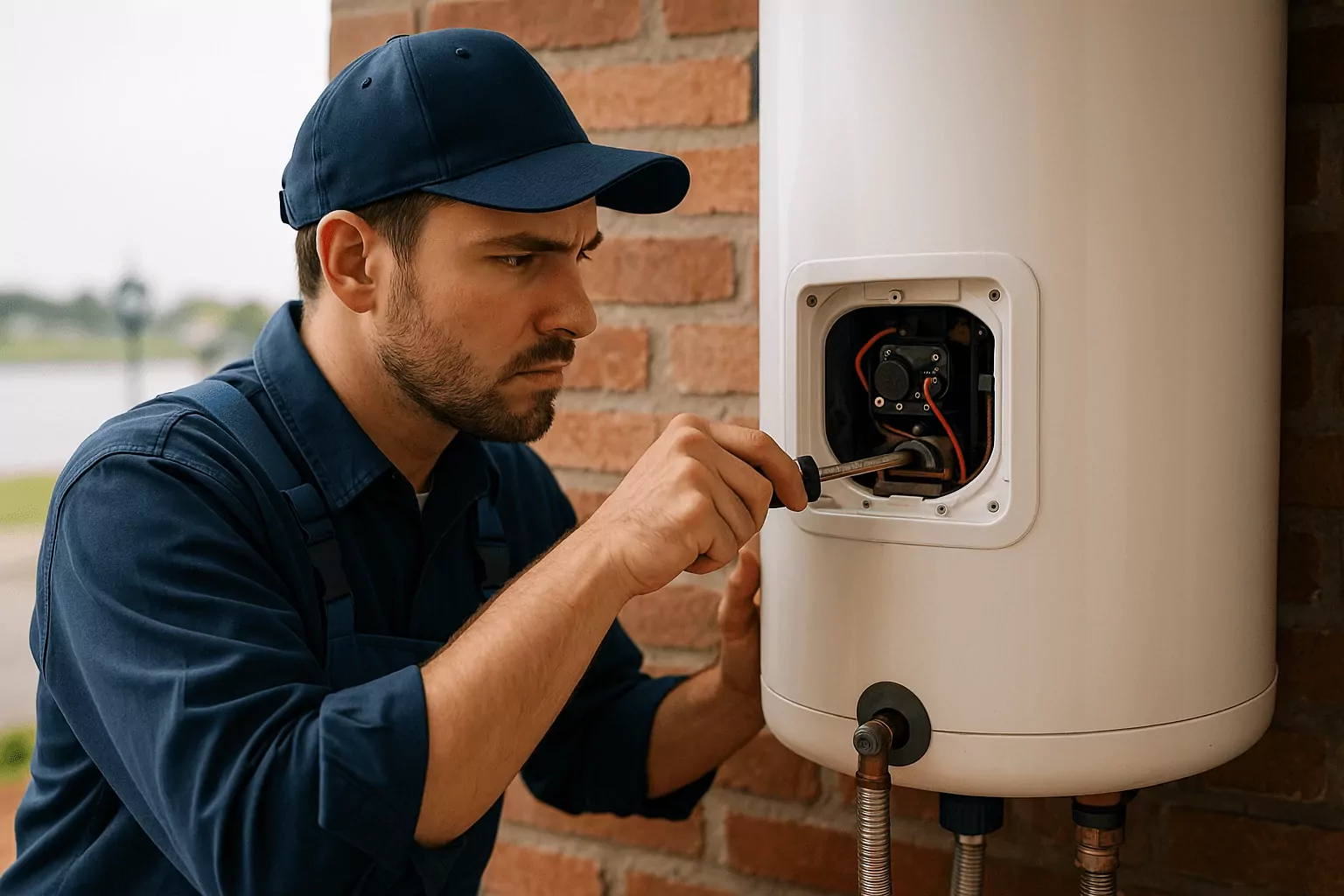
If you are dealing with a water heater not heating in Port Arthur, you are not alone, especially with the Gulf Coast climate putting extra stress on equipment. Many homeowners search for water heater not heating Port Arthur because sudden cold water is frustrating and disruptive. The good news is that several issues can be diagnosed at home with safe, simple checks before calling a professional. In this guide, you will learn how to troubleshoot electric and gas units, address sediment buildup, and recognize when safety concerns require immediate service. We will also explain how Port Arthur weather and water conditions contribute to no-heat problems, with real examples and results. By the end, you will know practical steps to restore hot water quickly and when to contact a licensed local plumber for help.
Check Power, Gas, and Settings: First Steps for a Water Heater Not Heating in Port Arthur
Begin with the basics because many no-heat calls are solved with quick fixes. For electric units, verify the breaker is on and not tripped, and reset any GFCI outlets connected to the circuit. Press the high-limit reset button on the water heater's upper thermostat if accessible, and confirm the thermostat is set to 120-125 F rather than vacation mode. Gas models require checking that the gas shutoff is open and that the pilot or igniter is operating correctly. If you smell gas, stop immediately and contact a professional rather than continuing to troubleshoot. When in doubt, review a detailed repair overview on our water heater repair page for safe next steps.
Next, confirm that water supply valves to the tank are fully open and that you have not mixed up hot and cold lines at a fixture. If your heater has a digital display, note any error codes and consult the manufacturer's guide or an authoritative resource like Energy.gov. In older homes around Port Arthur, weak ignition from humidity or corroded terminals can prevent burners from firing, so a visual check is helpful if it is safe. Ensure combustion air is not blocked by stored items around the heater, a common issue after garage reorganizing. Finally, if breakers repeatedly trip or the pilot will not stay lit, move to deeper diagnostics or plan for professional service to prevent further damage.
Targeted DIY Fixes to Restore Hot Water Fast in Port Arthur
For electric water heaters, test heating elements and thermostats using a multimeter to identify failed components. A bad upper element will prevent any hot water, while a bad lower element can cause short hot showers that quickly run cold. If you find an element is faulty, shut power at the panel, drain a few gallons from the tank, and replace the part with a manufacturer-approved element and gasket. Press the high-limit reset on the thermostat after replacement and allow the tank to reheat, which can take 60-90 minutes. Many Port Arthur homeowners resolve no-heat issues with this simple element swap and save on service costs while maintaining safety.
On both gas and electric systems, sediment buildup can cause slow recovery or lukewarm water by insulating heat transfer surfaces. Flushing the tank is an effective annual maintenance step, especially in areas with harder water around the Golden Triangle. Attach a hose to the drain valve, shut power or gas, open a hot faucet, and carefully drain until water runs clear. If the drain clogs, gently stir sediment by briefly opening the cold inlet, then continue the flush until flow improves. For detailed flushing steps and maintenance tips. Consult your manufacturer's support pages, such as Rheem or A. O. Smith, for model-specific instructions.
Local Factors in Port Arthur That Cause a Water Heater Not Heating
Port Arthur's coastal humidity and frequent storms can accelerate corrosion on gas burners, igniters, and electrical connections, leading to ignition failure or tripped breakers. Harder water contributes to scale on electric elements and inside gas burners, reducing heat transfer and causing longer recovery times or lukewarm water. After lightning or power fluctuations, control boards on newer heaters can fault or lock out, presenting as a no-heat condition with error codes. We recently encountered a case where a homeowner near the refinery corridor lost hot water after a storm; a surge-damaged control and charred wiring were the culprits. Installing a dedicated surge protector and replacing the control restored reliable hot water.
Another common Port Arthur example involves sediment-heavy tanks that make popping or rumbling sounds as water heats under scale, which indicates poor efficiency and weak output. A Bridge City homeowner experienced 10-minute showers due to a heavily scaled lower element and a thermostat out of calibration. A full flush, new lower element, and thermostat calibration returned normal performance and reduced energy use. If you notice rusty water, rapid anode rod wear could be accelerating corrosion; checking or replacing the anode can extend tank life. For broader solutions like anode service, burner cleaning, or softening options, browse our full water heater plumbing services.
Safety, Replacement Decisions, and When to Call 409 Plumbing
Certain symptoms require professional attention to avoid property damage or personal risk. If the temperature and pressure relief valve is dripping constantly, do not cap it; the valve is a safety device that prevents dangerous pressure buildup. Gas odors, scorch marks, and water leaks around the tank base are red flags for immediate service. Units older than 10-12 years are often near end of life, and repeated no-heat failures may justify replacement rather than continued repairs. Consider total cost of ownership, energy efficiency gains, and warranty coverage when deciding whether to repair or replace.
When you are ready for help, schedule service with a licensed pro who understands local conditions and code requirements. If you are in Orange, Beaumont, or Bridge City, the team at 409 Plumbing can inspect your system, flush sediment, replace elements or thermocouples, and recommend efficient replacement options when needed. We also help with surge protection strategies and combustion air improvements that matter in coastal climates. To book fast service or ask a question, visit our contact form or call 409-444-0066. Clear assessments, upfront options, and local expertise make it easier to fix a water heater not heating in Port Arthur and neighboring communities.
Fixing a water heater not heating in Port Arthur often starts with simple checks to power, gas, and temperature settings, followed by targeted fixes like element replacement or a thorough flush. Local factors such as humidity, storms, and hard water make regular maintenance particularly important, and installing surge protection can prevent future lockouts. Use the guidance above to troubleshoot confidently and know when safety or age means it is time to call a pro. For fast, reliable help in Orange, Beaumont, or Bridge City, contact 409 Plumbing at 409-444-0066 or visit our contact form. We are ready to help restore your hot water quickly. Explore more options on our services and see when repair or replacement is best for your home.
Frequently Asked Questions About Fixing a Water Heater Not Heating
Why is my water heater not heating after a thunderstorm in Port Arthur?
Thunderstorms can cause power surges that damage electric elements, thermostats, or electronic control boards, resulting in no-heat conditions. Even if the unit appears fine, surge damage may not be visible but can trip breakers or produce error codes. For gas units, heavy winds and pressure changes may blow out pilots or stress igniters and flame sensors. Start by checking your breaker, pressing any reset buttons, and reviewing the display for codes if present. If the unit repeatedly trips or shows fault codes, have a licensed technician verify controls and consider installing a surge protector to prevent future failures.
How often should I flush my tank water heater in the Gulf Coast climate?
In our region, flushing once or twice a year is smart due to sediment that builds up faster in hard water conditions. If you hear rumbling or popping, or if your hot water fades quickly, consider flushing sooner to restore efficiency. Regular maintenance prevents scale from insulating the heating surfaces and helps your unit heat faster with less energy. During a flush, a technician can also check the anode rod, which protects the tank from internal corrosion. Consistent flushing and anode inspection can add years to a tank's life and reduce no-heat surprises.
What should I do if the pilot light will not stay lit?
If the pilot will not remain lit, a dirty pilot orifice, weak thermocouple, or faulty gas control could be to blame. First, follow the manufacturer's lighting instructions exactly and verify that the gas shutoff is open. If the pilot lights but goes out when you release the button, the thermocouple may not be generating enough voltage to keep the gas valve open. Replacing a thermocouple is often straightforward, but ensure proper fit and safe reassembly. If you smell gas, stop immediately and contact a professional to check for leaks and perform safe repairs.
Is it better to repair or replace an older unit that is not heating?
The decision depends on age, condition, and repair cost relative to replacement. If your unit is under eight years old and has a simple issue like a failed element or thermocouple, repair is typically cost-effective. For tanks older than 10-12 years, recurring no-heat problems or internal corrosion may make replacement the wiser long-term choice. Newer high-efficiency models can reduce utility bills and deliver faster recovery, improving comfort and lowering total ownership cost. A professional assessment can estimate repair life expectancy versus the benefits of upgrading, helping you make a confident, budget-savvy choice.

Registered Master Plumber Texas State Board of Plumbing Examiners
RMP #44702
Licensed and Bonded
Cities Serviced
409 Plumbing
Follow Us On
© 2026 409 Plumbing. All Rights Reserved.
Website Design and Hosting Provided by LocalBizBuzz,co