
24 Hour Service
Call 409-444-0066
Expert Tips for Fixing a Water Heater Not Heating
in Beaumont
Simple solutions for Beaumont homeowners facing issues with water heaters that won’t heat, ensuring warm showers and peace of mind.
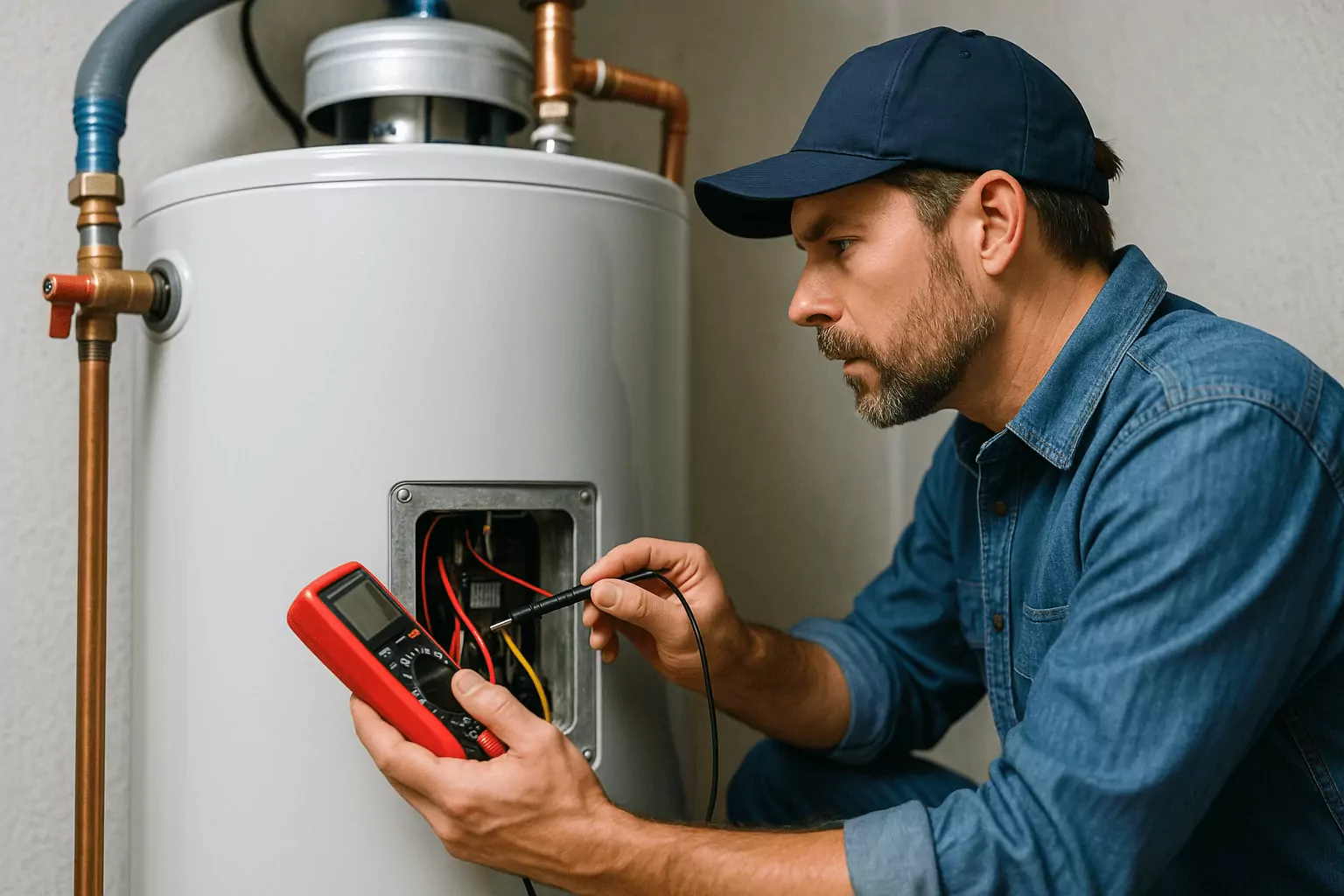
If you are dealing with a water heater not heating in the Beaumont area, you are not alone, and there are proven steps you can take right now. This guide walks you through safety checks, common electric and gas issues, and preventative maintenance that restores hot water quickly. We also include local insights for Beaumont, Orange, and Bridge City homeowners so you can make confident decisions. For a quick-start resource, see water heater not heating Beaumont to explore services and same-day help. Read on for practical troubleshooting, case studies, and when to bring in a licensed pro.
Fixing water heater not heating Beaumont: Safety and supply checks first
Start with safety before turning any wrenches, because water heaters combine high heat, pressure, gas, or high-voltage electricity. Switch the water heater's power off at the breaker for electric units or set the gas valve to off for gas models before inspecting anything. Next, confirm the unit actually has power or fuel, as tripped breakers and closed gas valves are top culprits for no hot water in Beaumont homes. Look for a dedicated breaker in your electrical panel and reset it fully off, then on, and check the red reset button on the water heater's upper thermostat if applicable. For gas, verify the main gas shutoff handle is parallel to the pipe, and confirm other gas appliances are working to rule out a supply interruption.
We recently assisted a Beaumont homeowner in the West End whose new dishwasher installation coincided with their water heater not heating, and the root cause was a shared circuit that tripped repeatedly. After separating loads and resetting the breaker, hot water returned immediately and stayed reliable. Another case in Orange involved a slightly closed gas cock from a recent meter replacement, which starved the burner and prevented proper ignition. Correcting the valve position restored normal operation within minutes, saving the client a service fee. Before moving deeper, these supply and safety checks often resolve the issue without tools or parts.
Electric units in Beaumont: Thermostats, elements, and wiring issues
For electric models with a water heater not heating Beaumont homeowners often discover failed heating elements or faulty thermostats. Remove the access panels, insulation, and plastic shields to test components with a multimeter after power is locked out. If you read continuity to ground on an element, it is shorted and needs replacement; if you read infinite resistance across terminals, the element is open and cannot heat. Thermostats can stick or lose calibration, causing lukewarm or cold water even when set correctly, and they are affordable to replace in pairs with elements. Loose or overheated wiring at the element or thermostat screws is another frequent cause, especially in older homes around Beaumont and Bridge City.
In a Bridge City case, a 50-gallon electric heater produced only tepid water after a storm, and testing revealed the upper element had failed while the lower was fine, trapping the tank in a partial heat cycle. Replacing both elements and thermostats restored full capacity and improved recovery times, helping the family through a busy school week. Another homeowner in Beaumont's Old Town reported intermittent hot water, and the issue traced to a loose high-limit reset wire that arced and triggered nuisance trips. Tightening connections, replacing a heat-scarred thermostat, and confirming voltage solved the problem without needing a new tank. If you prefer professional diagnosis, browse our plumbing services in Beaumont for same-day scheduling and clear pricing.
Gas units in Beaumont: Pilot light, thermocouple, igniter, and burner performance
When a gas water heater not heating Beaumont households shows a dark status light, focus on ignition components and flame sensors. For standing-pilot models, a weak or extinguished pilot often points to a dirty pilot orifice or a failing thermocouple that will not keep the gas valve open. Newer units use spark or hot-surface igniters, which can crack, short, or foul with lint and need cleaning or replacement. Inspect the burner flame quality after ignition: it should be steady and mostly blue, not lazy, lifting, or yellow-tipped, which indicates restricted air or combustion issues. Also, verify adequate combustion air in tight closets and remove debris from flame arrestor screens to prevent overheating and shutdowns.
A Beaumont Heights family recently experienced no hot water after a kitchen remodel partially blocked the water heater's combustion air pathway, causing lockouts after attempted ignitions. Clearing the obstruction and cleaning the flame arrestor resolved the problem without replacing parts, and the heater passed a full-fire test. In another Orange home, a thermocouple at the pilot assembly registered borderline millivolt output, intermittently starving the gas valve and causing random cold showers. Replacing the pilot assembly, cleaning the burner, and adjusting the gas pressure returned consistent hot water. If relighting the pilot or servicing gas components feels daunting, it is best to contact 409 Plumbing for safe, code-compliant repairs.
Stop repeat failures: Sediment, temperature settings, and maintenance plans
Even after restoring heat, unresolved sediment and scaling can trigger frequent water heater not heating Beaumont callbacks, especially with our local water hardness. Sediment blankets the lower element in electrics and insulates gas burners from the tank, prolonging heat cycles and stressing parts until they fail. Flushing the tank annually and inspecting the anode rod every 2-3 years reduce corrosion, odors, and recovery delays while extending tank life. Set the thermostat to about 120 F to balance comfort, efficiency, and scald protection, and insulate hot water lines in garages or unconditioned spaces to minimize standby losses. For homes with high demand, consider adding a mixing valve or upgrading capacity to avoid continual thermostat overcompensation.
We installed a maintenance plan for a client near Lamar University who faced element failures every 18 months due to heavy sediment and frequent guests. After two consecutive annual flushes, anode replacement, and a mixing valve for higher safe drawdown, the household eliminated cold-shower complaints and lowered energy use. Another Bridge City homeowner battled rotten-egg smells and tepid water, resolved by flushing, raising the tank temporarily to sanitize under guidance, and replacing the anode with an aluminum-zinc type. Proactive care is far cheaper than emergency replacements, and it stabilizes bills and performance across seasons.
Getting to the bottom of a water heater not heating Beaumont homes is often a matter of following safe, methodical checks and fixing small but critical parts. Start with power and gas supply, then move to thermostats, elements, pilots, and igniters, and finish with maintenance steps that stop repeat failures. When in doubt, lean on trusted resources and local experts who know Southeast Texas water conditions and code requirements. If you need fast help today, call 409 Plumbing at 409-444-0066 for prompt service across Orange, Beaumont, and Bridge City. For convenient scheduling, you can also contact 409 Plumbing online and get your hot water back with confidence and care.
Frequently Asked Questions About Water Heater Not Heating
Why is my water heater not heating after a power outage in Beaumont?
After a storm or outage, electric heaters may trip the high-limit reset button, leaving you with cold water until it is pressed. Breakers can also trip only partially, so flip the water heater breaker fully off and then firmly back on to restore power. Surge events can damage thermostats or elements, so if resets do not work, test components with a multimeter or have a pro evaluate them. For gas units, outage recovery may require relighting the pilot or clearing error codes on electronic ignition controls. If you are unsure about safe relighting or testing, schedule a check through our contact page for a fast, local response.
How long should it take to get hot water again, and what might it cost?
Simple fixes like resetting breakers, relighting a pilot, or tightening a loose wire can restore heat within minutes at minimal or no cost. Replacing an electric element or thermostat pair typically restores hot water within a couple of hours, depending on parts access. Gas component replacements such as thermocouples or igniters often take 60-90 minutes, plus testing and safety checks. Costs vary by model and parts, but many repairs are far less than the price of a new tank, especially when maintained afterward. For an accurate local estimate in Beaumont, Orange, or Bridge City, review our service offerings and request a quote.
Is it safe to raise the thermostat to get hotter water quickly?
Raising the thermostat too high increases scald risk, especially for children and seniors, and may not fix the core heating issue. A safe target of about 120 F aligns with energy guidance while balancing comfort and safety during recovery. If your water is still cold at 120 F, focus on diagnosing elements, thermostats, pilot systems, or sediment rather than turning up the heat. For sanitation events or odor treatment, higher temporary settings should follow manufacturer directions and be monitored closely. See the Consumer Product Safety Commission's guidance on scald prevention for families at the CPSC water heater page before making changes.

Registered Master Plumber Texas State Board of Plumbing Examiners
RMP #44702
Licensed and Bonded
Cities Serviced
409 Plumbing
Follow Us On
© 2026 409 Plumbing. All Rights Reserved.
Website Design and Hosting Provided by LocalBizBuzz,co