
24 Hour Service
Call 409-444-0066
Expert Tips for a Successful Water Heater Flush Orange
Essential steps for homeowners in Orange to efficiently flush their water heaters and enhance performance.
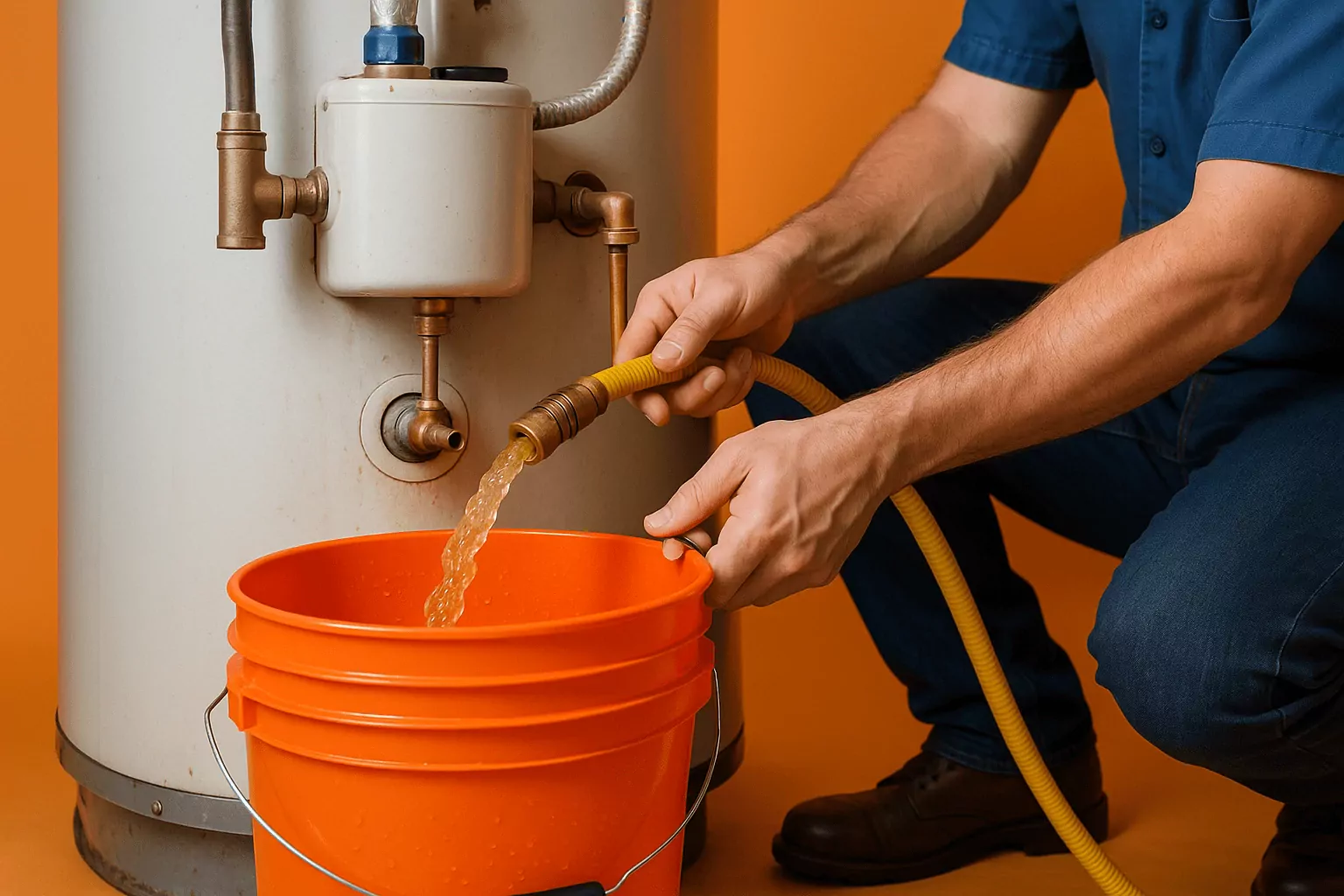
A reliable supply of hot water starts with regular maintenance, and a water heater flush is one of the most impactful tasks you can do. Homeowners in Orange, TX face unique conditions like seasonal sediment buildup and varying water quality that make timely maintenance essential. If you have noticed longer heat times, popping sounds, or cloudy water, a scheduled water heater flush Orange can restore performance and protect your investment. Flushing your tank or tankless system helps remove mineral deposits, improves energy efficiency, and reduces the risk of premature failure. This guide explains pro-level techniques and local insights so you can flush safely and confidently. Whether you are a DIYer or plan to schedule service, you will find actionable steps, checklists, and expert recommendations tailored to Orange and nearby communities.
Understanding Sediment and Why a water heater flush Orange Matters
Sediment forms as minerals and debris settle at the bottom of a water heater tank during normal use. Over time, this layer insulates the water from the burner or elements, forcing your unit to work harder. In Orange and across the Golden Triangle, municipal reports show seasonal variations in hardness that can accelerate scale formation. The result is often noisy operation, higher utility bills, and lukewarm water at busy times of day. Performing a routine water heater flush Orange removes this layer, returning your heater to efficient, quiet operation.
Consider a recent example from a homeowner near downtown Orange who reported popping and rumbling each morning. After a thorough flush that purged several gallons of cloudy, sediment-filled water, the noise disappeared and recovery times improved noticeably. Their gas bill dropped modestly the following month, aligning with national guidance that maintenance can improve efficiency. Regular flushing also helps protect heating elements, gas burners, and thermostats from overheating and failure. With fewer stressors on internal parts, your system can operate more reliably through the year.
Tankless units are not immune, as scale can build on heat exchangers and restrict flow in Orange, Beaumont, and Bridge City. When that happens, you may see error codes, temperature swings, or reduced hot water volume. While the procedure differs from tank systems, the principle remains the same: remove minerals to restore heat transfer and flow. A properly planned water heater flush Orange addresses these issues before they cascade into costly repairs. It also preserves warranty coverage, since many manufacturers consider descaling part of standard maintenance.
Step-by-Step Prep for a Safe water heater flush Orange
Preparation is the key to a smooth, mess-free flush and to protecting your home. Start by checking your owner manual for model-specific guidance and confirming the gas, electric, and water shutoff locations. Clear a safe work area around the heater and verify that your floor drain or outdoor discharge route can handle the flow. For gas units, turn the thermostat to the pilot setting or off before flushing; for electric units, switch the breaker off. Always allow the tank to cool slightly to reduce the risk of scalding during the water heater flush Orange.
Gather the tools and supplies you will need before opening any valves. Having everything in one place reduces delays and helps prevent spills, hose blowoffs, or incomplete draining. The following list covers common essentials most homeowners in Orange, TX will use:
Next, connect the hose to the drain valve and route it to a safe disposal point, ideally a floor drain or driveway. Open a hot water faucet at a nearby sink to break vacuum and allow air into the system. Carefully open the drain valve and observe the water clarity in a bucket until it runs clear, which may take several minutes. For heavy sediment, cycle the cold supply on and off during the drain to stir and expel more debris. When finished, close the drain, refill the tank, and purge air at the faucet before relighting or restoring power.
Flushing Techniques: Tank, Tankless, and Hybrid Systems in Orange
Traditional tank heaters require full or partial draining, depending on the buildup. Partial draining with agitation can be effective for lighter deposits, while a complete drain is best for heavy scale. Some tanks include a ball-style drain valve that passes sediment more easily than smaller gate valves. If your valve clogs, briefly pulse the cold supply to help move debris through the hose. During a water heater flush Orange, many homeowners also test the TPR valve and inspect the anode rod if accessible.
Tankless maintenance centers on descaling the heat exchanger with a pump and solution loop. This process circulates a mild acid through the unit to dissolve mineral deposits without disassembly. You will need isolation valves and service ports to connect hoses and a small pump, which many modern installations include. Follow the manufacturer duration guidelines, typically 30 to 60 minutes of circulation for moderate scale. After descaling, flush with clean water to remove any remaining solution and restore normal operation.
Hybrid and high-efficiency models pair heat pump technology with storage tanks, so they benefit from both flushing and filter cleaning. Their condensate drains and air filters should be inspected, since airflow restrictions can impact performance. The following differences help you plan the right approach for your home:
Post-Flush Checks, Maintenance Schedule, and Local Compliance in Orange
After refilling and restoring power or gas, check for leaks at the drain valve, cold and hot connections, and around the TPR discharge tube. Run hot water at a faucet until air spits stop and temperature stabilizes. Listen for unusual sounds and confirm that the burner or elements cycle normally. If water appears cloudy again within minutes, a second short flush can capture missed sediment. Document the date and observations so you can spot patterns at the next water heater flush Orange.
Set a schedule that matches your water quality, usage, and heater type. Many Orange homes benefit from annual flushing for tanks and annual to semi-annual descaling for tankless units. Consult trusted guidance from the U.S. Department of Energy on water heating efficiency to fine-tune your plan. You can review best practices at energy.gov/energysaver/water-heating and verify local water quality trends via the EPA at epa.gov/ccr. If your household includes multiple showers or a large soaking tub, consider tightening intervals to maintain peak performance.
If you discover valve corrosion, persistent noise, or signs of overheating, professional help can prevent damage and extend system life. 409 Plumbing offers full-service maintenance, including tank and tankless flushing, anode rod inspections, and safety testing. Explore our offerings at Services and schedule convenient appointments through our Contact form. For seasonal tips and maintenance reminders, visit the latest posts on our Blog. We proudly serve Orange, Beaumont, and Bridge City with fast, courteous, and reliable water heater care.
Staying ahead of sediment is one of the smartest moves you can make for comfort, safety, and savings. With the right preparation, tools, and checklist, a water heater flush Orange can be completed efficiently and safely by informed homeowners. If you prefer a hassle-free, professional approach, 409 Plumbing delivers thorough flushing, descaling, and post-service testing tailored to local conditions. Call 409 Plumbing at 409-444-0066 to schedule service. We proudly serve Orange, Beaumont, and Bridge City, and we are ready to restore your hot water performance today. For service details and booking, explore Services and reach out through our Contact form. Keep your system efficient, quiet, and reliable all year long with consistent maintenance and timely professional support.
Frequently Asked Questions About Water Heater Flushing
How often should I schedule a water heater flush in Orange, TX?
Most traditional tank heaters in Orange benefit from an annual flush to control sediment and maintain efficiency. If your water is on the harder side or your family uses a lot of hot water, consider every six to nine months. Tankless models typically need descaling once a year, though high-demand homes may require service twice yearly. Watch for signs like popping sounds, longer heat times, or fluctuating temperatures as cues to flush sooner. Always consult your manufacturer manual to protect warranty coverage while planning your water heater flush Orange.
Can I perform a water heater flush myself, or should I call a professional?
Many homeowners can safely perform a basic flush with proper preparation and protective gear. However, corroded drain valves, stuck shutoffs, or complex tankless setups can complicate the job. A licensed pro brings specialized pumps, descaling solutions, and experience to avoid leaks or component damage. If you smell gas, see active leaks, or notice discoloration that returns quickly, call a professional promptly. For peace of mind and time savings, 409 Plumbing is ready to help with expert, code-compliant service.
What are the signs that I need a water heater flush Orange right now?
Common signs include rumbling or popping noises, cloudy or sandy water, and slower hot water delivery. You might also spot increased energy bills or find that hot water runs out faster than usual. On tankless units, watch for error codes, temperature swings, or reduced flow at multiple fixtures. Visible scale on aerators or showerheads can also indicate mineral buildup inside your system. If you notice any of these symptoms in Orange, Beaumont, or Bridge City, scheduling a prompt flush can prevent larger issues.
Will flushing improve energy efficiency and extend the life of my heater?
Yes, removing sediment restores direct heat transfer, allowing your unit to heat water faster with less energy. This can reduce operating costs and minimize stress on heating elements or burners. Routine maintenance also protects components like thermostats, heat exchangers, and TPR valves from premature wear. Over time, these benefits add up to fewer breakdowns and a longer service life for your system. Regular water heater flush Orange is a proven way to keep your home comfortable and your utility bills in check.

Registered Master Plumber Texas State Board of Plumbing Examiners
RMP #44702
Licensed and Bonded
Cities Serviced
409 Plumbing
Follow Us On
© 2026 409 Plumbing. All Rights Reserved.
Website Design and Hosting Provided by LocalBizBuzz,co