
24 Hour Service
Call 409-444-0066
Essential Tips for Safe Gas Appliance Hookup in Orange
Practical advice for homeowners in Orange to ensure safe and efficient gas appliance installations.
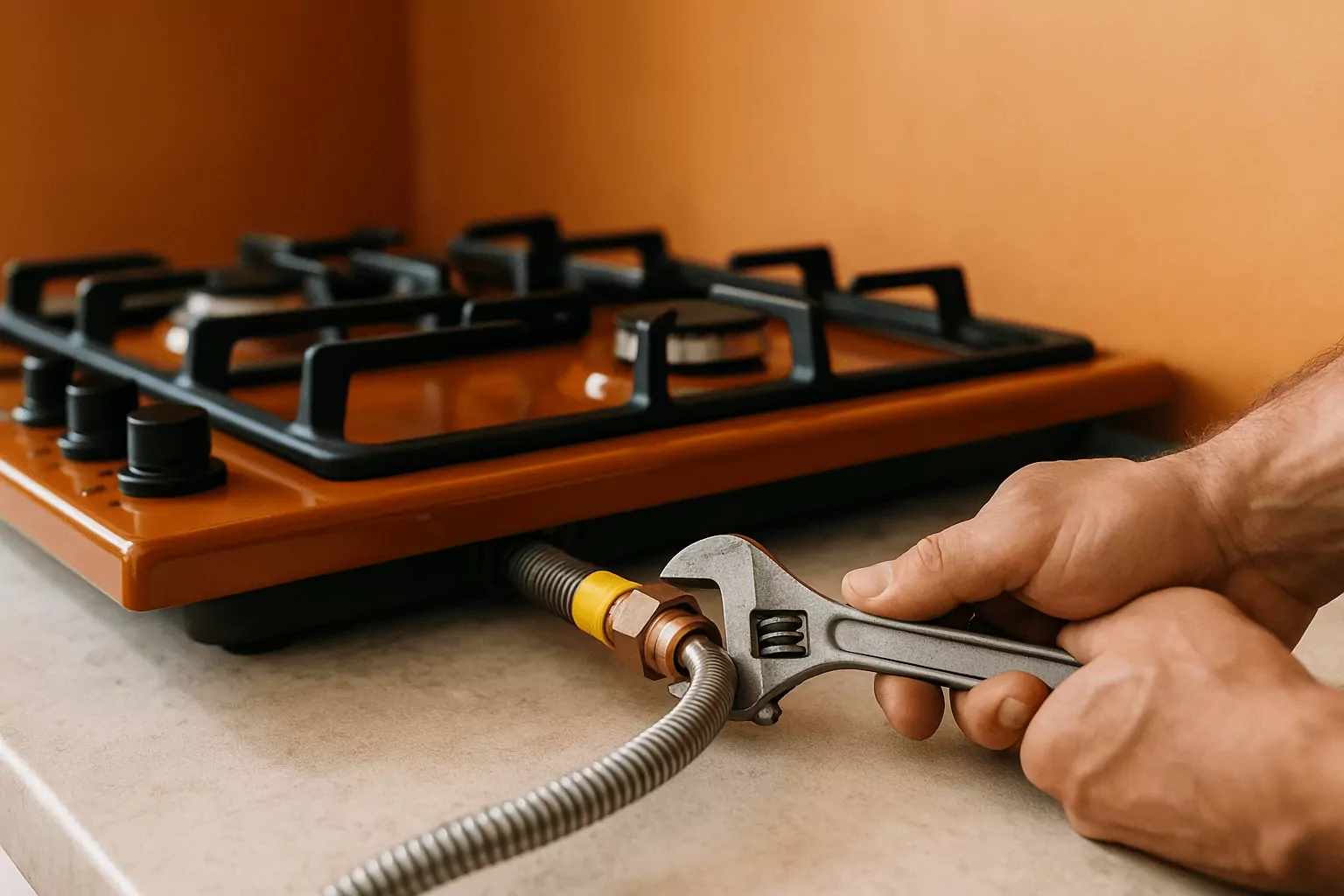
Whether you are installing a new range, furnace, dryer, or water heater, a safe and compliant gas appliance hookup is critical for comfort and peace of mind. If you are searching for the best practices for gas appliance hookup Orange, you are already thinking the right way about safety, efficiency, and code compliance. In Orange, TX and surrounding communities, local permitting, national fuel gas codes, and manufacturer specs all intersect, and ignoring any one of them can lead to leaks, carbon monoxide risks, or poor performance. The good news is that a methodical process can make installation straightforward, reliable, and long-lasting. In this guide, the experts at 409 Plumbing share field-tested steps, real examples, and clear checklists to help homeowners and pros avoid common pitfalls. Along the way, we will show where DIY stops and licensed service begins, so you can protect your home, warranty, and utility bills.
Know the codes, permits, and responsibilities for gas appliance hookup Orange
Every safe installation starts with the rules of the road, and in Texas that means aligning your plan with the National Fuel Gas Code (NFPA 54), local building departments, and utility requirements. In the City of Orange and Orange County, many gas appliance hookups require permits, inspections, and, in some cases, utility lock-off and turn-on coordination. Following code is not just paperwork; regulations specify shutoff valve placement, sediment traps (drip legs), venting, and combustion air that directly affect safety. Homeowners often ask if a simple stove swap needs a permit, and the answer frequently depends on whether the gas line, valve, or regulator is altered. When in doubt, a quick call to your local building office or a licensed plumber prevents delays and costly rework. For authoritative guidance, consult NFPA 54 and Texas oversight resources like the Railroad Commission of Texas for gas utilities safety.
Consider a real example: a homeowner in Orange replaced an older water heater with a high-efficiency model but skipped permitting and installed the wrong venting material. The wrong vent created back-drafting, condensation issues, and a red flag at inspection, which forced a full redo. By starting with a permit and referencing manufacturer literature, the job would have specified the correct Category IV venting, proper pitch, and drain, and would have passed on the first try. Codes also require accessible shutoff valves within six feet of the appliance and a union for serviceability, details that simplify future maintenance and emergency response. If you want a simple path to compliance, align your scope with local rules, the appliance's installation manual, and NFPA 54 before buying materials. You can always request help from licensed pros at 409 Plumbing via our service page or by calling 409-444-0066.
Site preparation, venting, and combustion air best practices for gas appliance hookup Orange
Good prep work prevents most safety issues, starting with clearances, vent routing, and combustion air calculations. Appliances like furnaces and water heaters need a steady supply of oxygen and a reliable way to exhaust flue gases; without these, you risk incomplete combustion and carbon monoxide. Verify that the mechanical room or closet meets combustion air rules, especially in tight homes or where doors are weather-stripped. For vented appliances, confirm the vent category, diameter, max length, and number of elbows allowed, and use only listed parts. A smart addition is a carbon monoxide alarm on every level of the home and near sleeping areas to provide early warning. In multi-family or remodel scenarios, consult design tables to make sure makeup air and venting do not compete with kitchen hoods or dryers.
We often see performance problems traced back to poor vent terminations, like a tankless water heater exhaust that is too close to a window or air intake. That mistake can cause recirculation, nuisance shutdowns, and damage to siding. Another pitfall is overlooking seismic strapping or drain pan requirements when installing water heaters in garages or elevated platforms required by local code. In a Beaumont retrofit, our team corrected a furnace that repeatedly tripped on rollout because attic insulation had drifted into the intake, starving the unit of air. After reinstalling with proper clearances and a screened intake, the furnace ran within manufacturer specs. Investing extra time in site prep almost always saves time later and increases appliance longevity.
Materials, sizing, and connection techniques that deliver reliable gas appliance hookup Orange
Proper gas piping, regulators, and connectors make or break a safe installation. Start with gas line sizing using total connected BTUs, supply pressure, pipe length, and material (black iron, copper where allowed, or CSST) to ensure the appliance receives its rated input. Undersized lines cause flame instability, ignition delays, and error codes on modern burners, especially with tankless water heaters and high-BTU cooktops. Use a listed flexible gas connector of the correct length and diameter, and never reuse a damaged or kinked connector. Install an accessible shutoff valve, sediment trap, and union close to the appliance, and use approved thread sealant or yellow PTFE tape rated for gas on male threads only. If using CSST, verify bonding with a proper clamp and conductor as required by the manufacturer and code.
A real case from Bridge City illustrates why details matter: a premium range was starved of fuel because the existing 1/2 inch branch could not carry the combined BTU load after a new gas dryer was added. Our team reconfigured the manifold, upsized the trunk to 3/4 inch, and installed appliance-specific regulators, eliminating flame-out and improving heat-up time. Pay attention to appliance rating plates and manuals; some units ship with LP or natural gas orifices and require conversion kits and manifold pressure adjustments. Always tighten flare fittings to spec and support piping to prevent stress on valves and controls. Before lighting, cap any unused tees, remove protective plugs from regulators, and verify that the appliance connector does not pass through walls, floors, or cabinetry improperly.
Testing, commissioning, and owner education for dependable gas appliance hookup Orange
Thorough testing is the final safeguard before putting an appliance into service. Begin with a static and operating pressure check using a manometer to confirm inlet and manifold pressures meet the appliance's specifications. Perform a leak test on all new joints with an approved bubble solution and inspect for any rise in meter index when appliances are off. Once leaks are cleared, follow the manufacturer's start-up sequence, verify proper ignition, and measure CO and flue draft where applicable. For sealed combustion equipment, verify gaskets and seals, then confirm condensate drains and neutralizers are installed and flowing. Finish by documenting serial numbers, pressure readings, and any adjustments so future service is faster and safer.
Owner education is just as important as the mechanical work. Show the homeowner the location of the shutoff valve, how to recognize gas odor, and what to do in an emergency. Review maintenance intervals, like cleaning range burners or scheduling an annual furnace safety inspection. In Orange and Beaumont, we recommend annual service ahead of peak heating or holiday cooking to catch issues early. Provide a simple checklist and your contact information on a service sticker near the appliance. Clear handoff reduces callbacks, protects warranties, and empowers homeowners to respond quickly if anything changes.
Conclusion
A safe, efficient, and code-compliant installation is the goal of every gas appliance hookup in Orange, and getting there is all about process and details. Start with permits and manufacturer specs, prepare the site for proper venting and combustion air, and size your gas piping correctly. Use listed connectors and the right sealants, bond CSST as required, and finish with a thorough pressure and leak test. Educate homeowners on shutoffs, alarms, and maintenance so the system stays safe year-round. If you want a hassle-free experience, partner with a licensed local expert who knows Orange, Beaumont, and Bridge City codes and utility practices. For fast, professional help, contact 409 Plumbing at 409-444-0066.
Resources About Gas Appliance Hookup
Frequently Asked Questions About Gas Appliance Hookup
Do I need a permit for a gas appliance hookup in Orange, TX?
In many cases, yes, especially if you are altering gas piping, adding new appliances, or changing venting. The City of Orange and Orange County may require permits and inspections to verify code compliance and safe operation. Permits ensure that shutoff valves, sediment traps, venting, and combustion air all meet NFPA 54 and local amendments. Utility providers may also need to lock off and restore service to verify that the system is leak-free. For state-level safety standards, review the Railroad Commission of Texas guidance on gas utilities. When in doubt, call a licensed plumber like 409 Plumbing to confirm requirements and streamline approvals.
What size gas line do I need for my new appliance?
Gas line size depends on total BTU demand, pipe length, number of fittings, material type, and supply pressure. For example, a high-BTU cooktop or tankless water heater may require a dedicated 3/4 inch line, while a standard range might be fine on a properly sized 1/2 inch branch. Undersizing leads to ignition problems, yellow flames, and nuisance shutdowns under heavy load. Pros calculate sizing using tables from NFPA 54 and the appliance manual to ensure adequate flow at the point of use. If you plan to add future loads, consider upsizing the trunk or creating a manifold to avoid re-piping later. A site visit from 409 Plumbing can confirm sizing and provide a code-compliant, future-ready design.
How can I tell if there is a gas leak after installation?
First, trust your senses: if you smell rotten eggs or hear hissing near a joint, treat it as an emergency and evacuate the area without flipping switches. From a technical standpoint, pros use manometers and approved bubble solutions to verify there are no leaks after commissioning. If safe to do so, you can look for bubbles at exposed joints using a leak-detection solution, but avoid open flames or unapproved fluids. Never ignore intermittent odors, as temperature and pressure changes can reveal small leaks over time. Install carbon monoxide alarms to guard against incomplete combustion, which is a separate but related safety concern. When in doubt, call your gas utility and a licensed plumber to assess and correct the issue immediately.
Can I move an existing gas appliance to a new location in my home?
Yes, but you will likely need to reroute gas piping, confirm venting and combustion air, and obtain permits. Moves often require resizing lines for the new run length and adding proper shutoff valves, unions, and sediment traps. For vented appliances, you must ensure the new location supports compliant vent routing, clearances, and termination. You may also need electrical, condensate, or makeup air modifications depending on the appliance type. Because relocations touch multiple systems and codes, they are best handled by licensed professionals. A consultation with 409 Plumbing can map the safest, most cost-effective path and reduce surprises during inspection.

Registered Master Plumber Texas State Board of Plumbing Examiners
RMP #44702
Licensed and Bonded
Cities Serviced
409 Plumbing
Follow Us On
© 2026 409 Plumbing. All Rights Reserved.
Website Design and Hosting Provided by LocalBizBuzz,co