
24 Hour Service
Call 409-444-0066
Essential Tips for ADA Bathroom Plumbing
in Bridge City TX
Transform your bathroom to meet ADA standards in Bridge City, TX, with practical plumbing tips for accessibility and comfort.
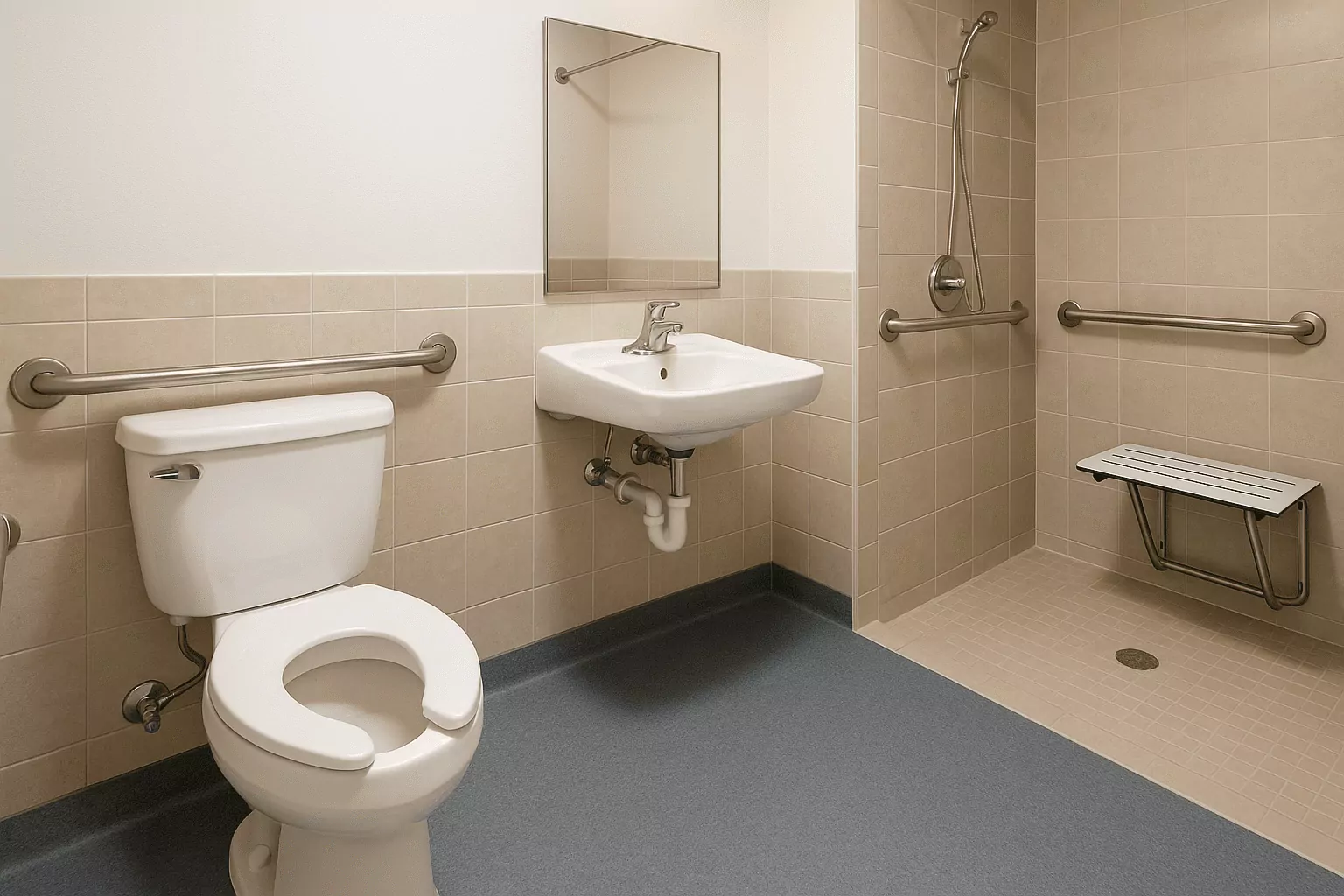
When it comes to creating accessible restrooms, ADA bathroom plumbing Bridge City TX plays a crucial role in ensuring compliance with regulations and enhancing safety for all users. As a contractor or property owner, understanding the essential plumbing requirements is vital for successful installations. The Americans with Disabilities Act (ADA) outlines specific guidelines that must be adhered to, making it essential to familiarize yourself with these standards. From proper fixture installation to adequate space for maneuverability, every detail matters in creating an inclusive environment. This article will provide vital insights and practical tips to help you implement effective ADA bathroom plumbing solutions successfully.
1. Understanding ADA Requirements
The first step in ADA bathroom plumbing is understanding the specific requirements outlined by the ADA guidelines. These regulations cover various aspects of restroom design, including fixture height, grab bar placement, and overall accessibility. For instance, toilets should be installed at a height of 17 to 19 inches, and grab bars must be strategically placed to assist users in transferring safely. It is also essential to ensure that there is enough clearance for mobility devices, such as wheelchairs. Familiarizing yourself with these guidelines will help you design a compliant restroom that meets the needs of all users.
Additionally, it's crucial to stay updated with any changes in regulations. The ADA.gov website provides resources and updates regarding compliance and best practices. Regularly reviewing these guidelines can help you avoid costly mistakes during the installation process.
Incorporating ADA requirements not only helps in compliance but also reflects a commitment to inclusivity, enhancing the overall reputation of your property. This kind of awareness can lead to increased customer satisfaction and loyalty.
2. Selecting the Right Fixtures
Choosing the right fixtures is critical for ADA bathroom plumbing. Fixtures such as sinks, toilets, and urinals must be ADA-compliant to ensure usability. For example, lavatories should be mounted no higher than 34 inches above the floor to accommodate wheelchair users. Furthermore, the sink should provide knee clearance of at least 27 inches to allow for easy access.
Consider the benefits of touchless fixtures, which can enhance hygiene and ease of use. Automatic faucets and soap dispensers can significantly improve the user experience, particularly for individuals with mobility limitations. Investing in quality products from reputable manufacturers ensures durability and compliance with ADA standards.
When selecting fixtures, it's essential to consult with plumbing professionals who are familiar with ADA requirements. Working with experts guarantees that you choose products that will not only meet but exceed the necessary compliance measures.
3. Ensuring Proper Installation Practices
Proper installation practices are vital in achieving effective ADA bathroom plumbing. Even if you choose the right fixtures, improper installation can lead to non-compliance and create safety hazards. For instance, grab bars must be securely anchored to support the user's weight, and all plumbing connections should be leak-free to prevent water damage.
It's also important to consider the layout of the restroom. Ensure that there's adequate space for users to maneuver comfortably. The ADA guidelines recommend a turning radius of at least 60 inches for wheelchair users. Conducting a thorough site assessment before installation can help identify potential challenges and allow for adjustments in design.
Utilizing a checklist during the installation process can help ensure that every aspect of ADA compliance is addressed. Having a systematic approach minimizes the risk of oversight and guarantees a smooth installation that adheres to all necessary regulations.
4. Maintenance and Compliance Checks
Once your ADA bathroom plumbing is installed, ongoing maintenance is essential to ensure that it remains compliant and functional. Regular checks on fixtures, plumbing connections, and accessibility features help identify issues before they escalate. For example, ensuring that grab bars remain secure and that water pressure is adequate in sinks can enhance user safety.
It is also beneficial to conduct periodic assessments to verify compliance with ADA guidelines. Engaging a plumbing professional to perform these checks can provide peace of mind and ensure that your facilities meet all necessary standards.
Additionally, consider implementing a user feedback system to gather insights from those utilizing the restroom. This feedback can help identify potential areas for improvement and ensure that you are meeting the needs of all users effectively. See the U.S. EPA WaterSense for additional guidance.
Implementing effective ADA bathroom plumbing Bridge City TX solutions is essential for creating accessible restrooms that comply with regulations and enhance user safety. By understanding ADA requirements, selecting the right fixtures, ensuring proper installation, and maintaining compliance, you can create a welcoming environment for all users. As you embark on your plumbing project, remember to consult with professionals and remain aware of evolving regulations. For expert assistance with your plumbing needs, contact 409 Plumbing at 409-444-0066. We are here to help you achieve the best outcomes for your ADA bathroom plumbing in Bridge City TX. For more information, check out our full list of remodeling plumbing services in Orange, TX or read our blog for helpful tips.
Frequently Asked Questions About ADA Bathroom Plumbing
What are the key ADA requirements for bathroom plumbing?
The key ADA requirements for bathroom plumbing include specific guidelines for fixture height, grab bar placement, and overall accessibility. Fixtures such as sinks and toilets must be positioned to accommodate wheelchair users, with specific height and clearance measurements outlined in the ADA regulations. Furthermore, grab bars must be installed at appropriate heights and locations to assist in safe transfers. Regularly reviewing these guidelines ensures compliance and promotes a safe environment for all users.
How can I ensure my bathroom is ADA compliant?
To ensure your bathroom is ADA compliant, begin by familiarizing yourself with the regulations outlined in the ADA guidelines. Consider hiring a plumbing professional who specializes in ADA bathroom plumbing to assist with the design and installation process. Selecting the right fixtures, ensuring proper installation, and conducting regular maintenance checks are all critical steps in maintaining compliance. Additionally, gather feedback from users to identify any areas for improvement.
What are the benefits of ADA-compliant bathrooms?
ADA-compliant bathrooms offer numerous benefits, including enhanced accessibility for individuals with disabilities, which is crucial for fostering an inclusive environment. These facilities can also improve the overall user experience for all patrons, as features such as touchless fixtures promote hygiene and ease of use. Furthermore, compliance with ADA regulations can enhance your property's reputation and potentially increase customer satisfaction and loyalty. Ultimately, investing in ADA-compliant plumbing solutions reflects a commitment to community and inclusivity.
Registered Master Plumber Texas State Board of Plumbing Examiners
RMP #44702
Licensed and Bonded
Cities Serviced
409 Plumbing
Follow Us On
© 2026 409 Plumbing. All Rights Reserved.
Website Design and Hosting Provided by LocalBizBuzz,co