
24 Hour Service
Call 409-444-0066
Essential Guide to Tankless Water Heater Installation
in Port Arthur
Step-by-step instructions and tips for homeowners in Port Arthur to successfully install a tankless water heater.
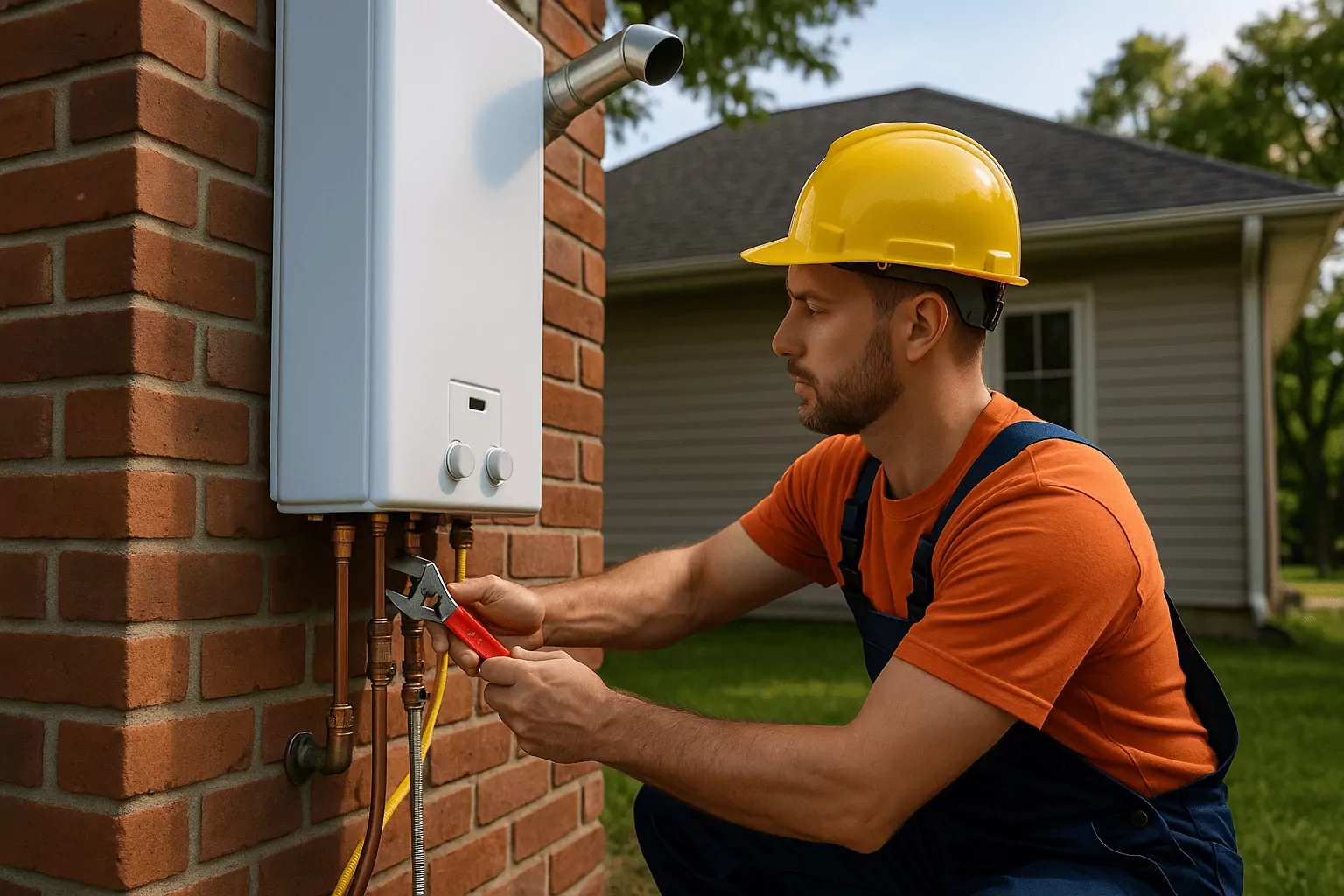
If you are researching tankless water heater installation Port Arthur, you are likely looking for dependable hot water, lower energy bills, and a system that fits your lifestyle. This guide explains how tankless units work, how to size them correctly, and what it takes to install them safely in Southeast Texas homes. We also outline local code considerations, real-world timelines, and ways to optimize performance and longevity. For quick navigation and local help, you can start with tankless water heater installation Port Arthur and explore service options from trusted professionals. Homeowners in Port Arthur, Orange, Beaumont, and Bridge City will find region-specific insights, from ground water temperatures to natural gas availability. By the end, you will know what to expect, what it costs, and how to choose a licensed installer who stands behind the work.
Why tankless water heater installation Port Arthur is a smart upgrade
Tankless water heaters deliver hot water on demand, which means no waiting for a tank to reheat and no paying to maintain a large reservoir of hot water all day. In Port Arthur homes where space is at a premium, compact wall-mounted units free up closets and garages. Because they fire only when you turn on a tap, they can cut energy use compared to traditional storage tanks, especially in households with varied schedules. Families who run back-to-back showers or laundry cycles appreciate the virtually endless hot water supply. Local homeowners report faster recovery during busy mornings and fewer complaints about cold showers after hosting guests.
In our experience, homeowners in coastal Southeast Texas also value the durability and serviceability of quality tankless brands. Many models include stainless steel heat exchangers, modular components, and built-in diagnostics that speed up maintenance. While upfront costs are higher than standard tanks, long-term savings and fewer emergency failures often balance the investment. We have seen several Orange and Beaumont homeowners avoid mid-winter breakdowns because their tankless systems included freeze protection and proactive alerts. When paired with a recirculation loop or timer, tankless units can also reduce wait times at distant fixtures while controlling wasted water.
Top homeowner benefits include:
Sizing and selection for tankless water heater installation Port Arthur
Proper sizing is the cornerstone of performance, and it starts with two numbers: flow rate and temperature rise. Flow rate is the total gallons per minute you expect to run at once, like one shower plus a dishwasher. Temperature rise is the difference between your incoming water temperature and your desired hot water temperature. In Port Arthur and nearby cities, incoming water is often around 65 to 75 degrees, which typically requires a 45 to 55 degree rise for comfortable showers. Choose a unit that can provide the combined GPM you need at that temperature rise to avoid lukewarm results.
Here is a quick example: Two showers at 2.0 GPM each plus a 1.0 GPM sink equals a 5.0 GPM demand. If your incoming water is 70 degrees and you want 120 degree hot water, you need a 50 degree rise at 5.0 GPM. Many mid to high output gas tankless models can meet this, while electric models may need dedicated high-amperage circuits or multiple units for similar performance. To refine your selection, compare Uniform Energy Factor (UEF) ratings and look for features like built-in recirculation, stainless heat exchangers, and scale-detection alerts. The U.S. Department of Energy provides a helpful overview of how tankless systems work and how to estimate savings at energy.gov.
Fuel type and venting are equally important. Natural gas or propane models deliver high output and are often the best fit for larger homes with multiple baths. These units require proper gas line sizing, Category III or IV venting, and combustion air, all verified by a licensed plumber. Electric tankless can be an option for smaller households or where gas is unavailable, but they may require significant electrical upgrades. For brand comparisons, it helps to review warranty terms, local parts availability, and installer certifications. Texas-licensed contractors should follow manufacturer specs and Texas regulations, which you can verify through the Texas Department of Licensing and Regulation.
Professional installation workflow and timeline with 409 Plumbing
A professional process protects your warranty and ensures code compliance. At 409 Plumbing, we start with a site visit to assess fixture counts, gas supply, vent routes, electrical capacity, and water quality. We test static and dynamic gas pressures, check for adequate combustion air, and map vent clearances to avoid soffits, windows, and property lines. Your written proposal outlines the model, capacity at target temperature rise, vent type, recirculation options, and any panel or gas line upgrades. We also detail permit requirements and scheduling so you know exactly what will happen on installation day.
On the day of installation, we remove the old tank, set hangers or mounting backer for the tankless unit, and run new gas, vent, and water lines as needed. Our team installs isolation valves and flush ports to simplify future maintenance, plus a condensate drain for high-efficiency models. We then pressure test gas lines, verify leak-free water connections, and program temperature setpoints to match your household preferences. After startup, we measure actual GPM at key fixtures and confirm stable output across concurrent uses, like a shower plus a washing machine. We finish with a walkthrough on filter cleaning, descaling intervals, and using recirculation schedules to balance speed and efficiency.
Most straightforward retrofits complete in 4 to 8 hours, while complex jobs with gas upsizing or electrical work may run longer. If you are planning upgrades across Orange, Beaumont, or Bridge City, ask about coordinated scheduling to minimize downtime. For more details on our process, visit our water heater services page. When you are ready to book, call 409 Plumbing at 409-444-0066 or send a request through our contact form. Our licensed, insured team delivers clean, code-compliant work and backs it with clear warranties and post-install support.
Choosing the right tankless water heater and installing it to code are the keys to reliable, efficient hot water in Port Arthur and surrounding communities. By sizing for your real GPM needs, planning proper venting and gas supply, and working with a licensed pro, you get comfort and savings without guesswork. If you are ready to upgrade, 409 Plumbing provides start-to-finish service, including sizing, permits, and clean installation. Call 409 Plumbing at 409-444-0066 to schedule your estimate. We proudly serve Orange, Beaumont, Bridge City, and nearby areas with timely, professional solutions. Reach out today to secure a dependable, efficient hot water system that is tailored to your home.
Frequently Asked Questions Tankless Water Heater Installation
How much does tankless water heater installation cost in Port Arthur?
Costs vary based on capacity, fuel type, and site conditions, but most homeowners can expect a total installed range that is higher than a standard tank replacement. Gas tankless models typically cost more upfront due to venting and potential gas line upgrades, yet they deliver higher flow at temperature. Electric tankless units may require panel upgrades or new circuits, which also affects price. The best way to get an accurate figure is an in-home assessment that measures GPM needs and checks vent or gas routes. Ask for an apples-to-apples quote that includes isolation valves, permits, vent materials, and startup testing so there are no surprises.
Do I need a permit, and how long does installation take?
Most Texas municipalities require a plumbing permit and inspection for water heater replacements, including tankless units. A licensed plumber will pull the permit, install per code and manufacturer instructions, and schedule the final inspection. Straightforward replacements often take 4 to 8 hours in a single visit, while projects with gas upsizing or electrical work may extend into the next day. Lead times can vary based on material availability and inspection schedules. Your installer should provide a clear timeline with contingencies so you can plan around hot water downtime.
Are gas or electric tankless systems better for my home?
The right choice depends on household demand, fuel availability, and your electrical panel capacity. Gas tankless systems usually deliver higher flow rates and are ideal for homes with multiple simultaneous hot water needs. Electric tankless can be practical for smaller homes or where gas is unavailable, but they may need substantial amperage and dedicated circuits. Consider long-term operating costs in your area, including natural gas and electricity rates. A licensed plumber can run a load calculation and provide side-by-side cost and performance comparisons to guide your decision.

Registered Master Plumber Texas State Board of Plumbing Examiners
RMP #44702
Licensed and Bonded
Cities Serviced
409 Plumbing
Follow Us On
© 2026 409 Plumbing. All Rights Reserved.
Website Design and Hosting Provided by LocalBizBuzz,co