
24 Hour Service
Call 409-444-0066
Essential Guide to Sewer Line Repair Vidor:
What Homeowners Need to Know
Effective tips and cost insights for Vidor homeowners facing sewer line issues and repair decisions.
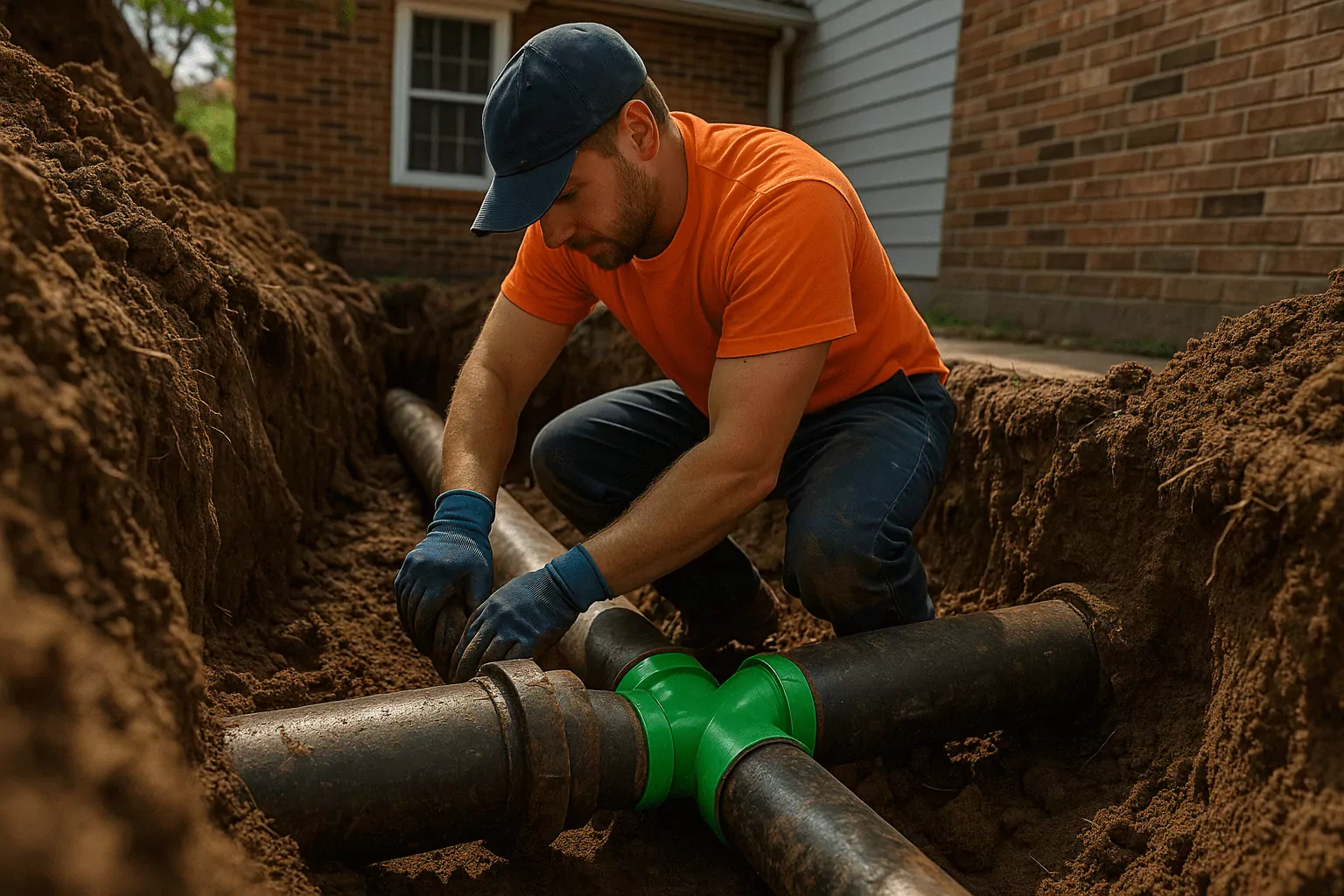
When sewer problems surface, fast decisions matter, and local knowledge can save you time and money. This essential guide to sewer line repair Vidor explains what causes failures, how pros diagnose issues, the best repair methods, and how to prevent future backups. You will learn the early warning signs that many Vidor homeowners miss and see how soil conditions, tree roots, and aging pipes influence outcomes. Real examples from Southeast Texas will make the steps clear and practical. By the end, you will know when a DIY fix is safe, when to call a licensed plumber, and how to protect your home's value.
Sewer line repair Vidor: causes and early warning signs
In Vidor and the Golden Triangle, older homes often rely on clay or cast iron laterals that corrode, crack, or offset with soil movement. Summer heat, high groundwater, and shifting Gulf Coast clays can stress joints and create bellies that trap debris. Tree roots from live oaks and pecans seek moisture and invade even hairline fractures, leading to recurring clogs. Grease, wipes, and foreign objects compound the problem and speed up blockages. Noticing the pattern of symptoms early helps avoid an emergency dig-up and higher repair costs.
Watch for slow drains across multiple fixtures, bubbling toilets when sinks drain, and gurgling sounds after showers. Sewage odors in the yard or near the foundation can signal a broken or separated pipe. Soggy lawn patches that do not dry, even in warm weather, may point to leakage along the lateral. Repeated snaking that only brings temporary relief often means there is a structural issue beyond routine cleaning. If two or more signs appear together, schedule a camera inspection before the situation escalates.
Professional diagnostics for sewer line repair Vidor
Accurate diagnosis is the foundation of a lasting sewer fix, and local pros start with noninvasive tests. A high-definition camera inspection maps the line, reveals cracks, root intrusions, and offsets, and records footage for insurance. Locators identify exact depth and path, which is vital when utilities or driveways are close by. In some cases, smoke testing helps pinpoint venting issues and hidden breaks that are not obvious on video. These methods prevent guesswork and help you compare targeted options and precise quotes.
In a recent Vidor case near North Main Street, a homeowner faced clogs every 30 days despite repeated snaking. A camera revealed a 15-foot root-choked section and a deep belly holding water year-round. The crew marked depths, noted nearby gas and water lines, and designed a spot repair that avoided a prized oak. This planning reduced excavation to a small access pit and cut project time from three days to one. For context on why timely repairs matter, see the EPA overview on sanitary sewer overflows at EPA SSO and Texas homeowner wastewater resources at TCEQ Wastewater.
Traditional sewer line repair in Vidor: costs, timelines, and suitability
Traditional excavation makes sense for shallow lines, collapsed sections with minimal access, or when adding cleanouts and slope corrections. Your soil type, pipe material, depth, and nearby structures determine the best approach.
Costs vary with length, access, and repairs. Many Vidor projects using open-trench can take two to three days, including backfill and patching. If your line has major sags or severe offsets, partial excavation and grading may be required before lining. Ask for a side-by-side estimate with footage so you can compare apples to apples.
Prevention, maintenance, and choosing the right local partner
Preventive care keeps your repaired line flowing and protects your warranty. Schedule periodic hydro-jetting for heavy-use homes or properties with mature trees intruding at joints. Use enzyme-based treatments sparingly and never flush wipes, even if labeled flushable. Keep fats, oils, and grease out of sinks, and install hair catchers in showers. Mark your cleanout location and record camera footage for future reference when selling or planning yard projects.
When selecting a provider for sewer line repair Vidor, ask about licensing and local permits. Review camera footage together and request a detailed scope with pipe footage, depth points, and surface restoration notes. Confirm warranties on both materials and workmanship, and ask how they handle roots and soil movement common in Southeast Texas. A Vidor client off Old Highway 90 combined selective excavation with lining to keep a magnolia tree untouched and saved two days of yard work. For more insights, explore our services, or reach out via our contact form for a fast consultation.
Sewer line repair decisions are easier when you understand local soil, pipe materials, and the diagnostic steps that reveal the true problem. With clear footage, a detailed plan, and the right method, you can fix the issue once and protect your yard and budget. Open-trench still shines for specific slope and collapse scenarios. For expert guidance in Orange, Beaumont, Bridge City, and nearby Vidor neighborhoods, contact 409 Plumbing at 409-444-0066. Visit our services and contact form to schedule a camera inspection today. 409 Plumbing is ready to help you restore flow and peace of mind fast.
Frequently Asked Questions About Sewer Line Repair
What are the most common signs I need sewer line repair in Vidor?
Look for slow drains in multiple fixtures, toilets that bubble when a nearby sink drains, and persistent sewer odors indoors or outside. Standing water or soggy spots in the yard that do not dry can indicate a leak along the lateral. Frequent clogs that return within weeks, despite snaking, suggest structural damage or root intrusion. You may also notice a sudden spike in your water bill if infiltration or exfiltration affects usage patterns. When two or more of these signs appear, schedule a camera inspection to confirm the cause.
How much does sewer line repair cost in Vidor?
Costs depend on access, pipe length and depth, damage severity, and the chosen method.. Small spot repairs may start lower, while full-line replacements are higher due to length and surface restoration. Camera inspections provide the best way to lock in an accurate estimate and avoid scope changes during work. Ask for a written proposal with footage, depth points, and surface repair allowances so pricing stays transparent.
Can I postpone a repair if the clog seems to clear after snaking?
Temporary relief after snaking often masks an underlying structural issue, such as a cracked joint, offset, or root intrusion. Without addressing the root cause, debris will catch again at the defect and clogs will recur. Delaying action can allow small cracks to widen, increasing repair complexity and cost. In wet seasons, infiltration can also accelerate soil subsidence around the pipe, risking yard sinking or foundation stress. A quick camera inspection will confirm whether you can safely monitor or should plan a targeted repair now.

Registered Master Plumber Texas State Board of Plumbing Examiners
RMP #44702
Licensed and Bonded
Cities Serviced
409 Plumbing
Follow Us On
© 2026 409 Plumbing. All Rights Reserved.
Website Design and Hosting Provided by LocalBizBuzz,co