
24 Hour Service
Call 409-444-0066
Essential Guide to Residential Plumbing for New Homes in Bridge City TX
Master the basics of residential plumbing for new homes in Bridge City, TX, and ensure your home runs smoothly.
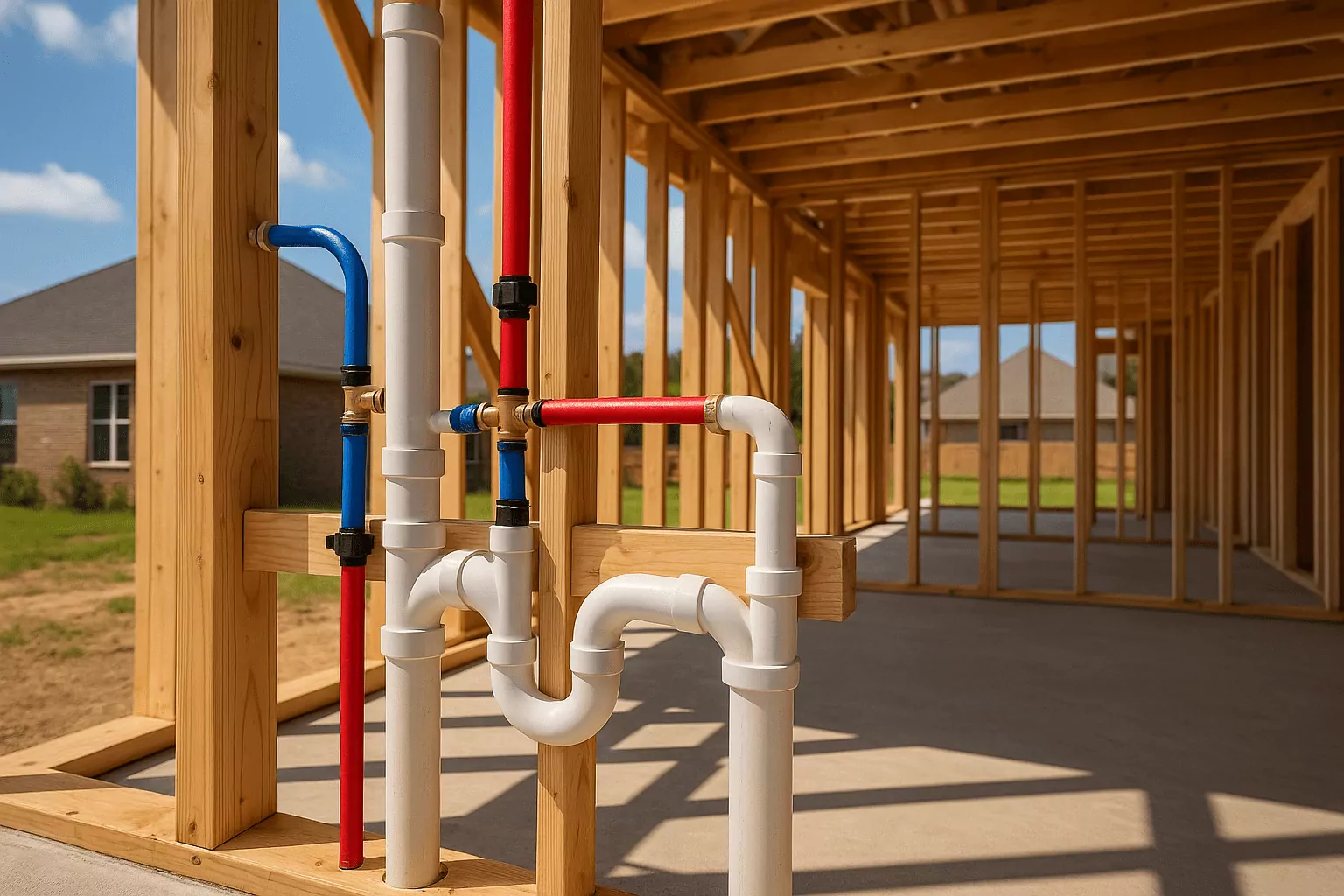
Building a new home is exciting, and getting the plumbing right from day one saves time, money, and headaches later. If you are exploring residential plumbing for new homes Bridge City TX, you will want a plan that fits local codes, soil and climate realities, and your family's daily routines. In Bridge City and greater Orange County, water quality, seasonal storms, and slab construction styles all play a role in the right design. Thoughtful pipe sizing, fixture selection, and drainage layouts ensure consistent water pressure and quiet, odor-free drains. This guide walks homeowners, builders, and developers through the process, from initial design and permitting to inspections and final walk-through. Along the way, we share local insights from 409 Plumbing so your project passes inspection smoothly and performs efficiently for years.
Planning and code compliance for residential plumbing for new homes Bridge City TX
Strong plumbing systems start with a blueprint that matches your floor plan, fixture count, and lifestyle. In Bridge City, a code-compliant design should reflect the International Plumbing Code or International Residential Code adopted locally, as well as Texas licensing requirements for contractors. Early collaboration between your builder, plumber, and HVAC contractor prevents costly clashes between drain lines, ducts, and structural members. Permit applications should include site plans, fixture schedules, and water heater specs to speed up reviews. It is also wise to plan for future expansions like outdoor kitchens or accessory dwelling units, which can be stubbed out during rough-in to avoid opening finished walls later.
Working with licensed pros ensures your installation meets state and local expectations and protects your warranty. For reference, the Texas State Board of Plumbing Examiners offers guidance on licensure and consumer protection, and reviewing those standards gives homeowners confidence in their hiring decisions. Visit the Texas State Board of Plumbing Examiners at https://www.tsbpe.texas.gov and the International Code Council for model code resources at https://www.iccsafe.org. 409 Plumbing helps homeowners prepare submittals and pre-inspection checklists that speed approvals. A clear plan also locks in material quantities and lead times, reducing change orders and surprise delays during the build.
Water supply design, materials, and efficiency choices
New homes in Bridge City typically rely on PEX or copper for domestic water lines, and the choice hinges on budget, layout, and performance goals. Proper pipe sizing keeps showers powerful even when the dishwasher runs, while pressure-reducing valves and expansion tanks help protect fixtures. Homeowners should evaluate whole-home filtration or softening if water hardness or taste is a concern, which can extend fixture life and improve appliance efficiency. Right-sizing a tank or tankless water heater based on simultaneous hot-water demand prevents cold surprises and cuts energy waste. For multi-story homes, consider a recirculation loop to speed hot water to distant bathrooms and reduce water waste at the tap.
Efficiency-minded buyers can save water without sacrificing comfort by choosing high-performance fixtures. Look for products with EPA WaterSense labels to reduce flow while maintaining strong spray patterns, and confirm compatibility with your pressure settings. You can review WaterSense standards and approved products at https://www.epa.gov/watersense to guide selections before ordering. Balancing flow rates among showers, lavs, and kitchen fixtures keeps your system in equilibrium and minimizes noise from water hammer. 409 Plumbing often models peak demand for local projects so builders can pick fixtures and heaters that perform flawlessly during morning get-ready hours.
Drainage, venting, and foundation-aware best practices in Bridge City
Drainage and venting are the backbone of a quiet, odor-free plumbing system, especially in humid Gulf Coast climates. Well-planned slopes, cleanout locations, and vent stacks reduce blockages and make maintenance straightforward. In Bridge City, many homes are built on slabs, so rough-in accuracy is critical before concrete is poured. A half-inch shift in a toilet flange or shower trap can trigger expensive demo later, so seasoned plumbers double-check string-line measurements and laser levels. For neighborhoods prone to heavy rains, consider backwater valves and yard drainage tie-ins that limit sewer backups and protect finished spaces.
Vents are not just code checkboxes; they stabilize pressure so traps hold water and seal out sewer gas. Properly sizing and grouping vents shortens roof penetrations and prevents noisy gurgles or slow drains. Where architectural constraints exist, air admittance valves may help, but they must be used within code and not as shortcuts for poor vent planning. Laundry rooms, kitchens, and island sinks often need creative venting, and an experienced local plumber can chart a compliant route that keeps finishes looking clean. 409 Plumbing also advises adding accessible cleanouts at logical intervals so future service is fast and minimally invasive.
From rough-in to final: scheduling, inspections, and quality assurance
Great outcomes depend on a predictable sequence: underground and slab rough-in, top-out, water heater setup, trim-out, and final. Before slab pour, pressure tests and photo documentation help capture line locations for future reference, which is invaluable for remodels or repairs. During framing, coordination with framing crews avoids notching or piercing structural members in ways that violate code or compromise strength. Pre-drywall inspections give everyone a chance to correct clearances around flues, verify nail plates, and confirm firestopping around pipe penetrations. By the time you reach trim-out, fixture placements, escutcheon alignments, and caulking details set the tone for a polished finish.
409 Plumbing uses checklists for each stage so nothing is left to chance, and builders appreciate predictable punch lists. Pressure and leakage testing on both supply and DWV systems should be documented for the inspector and the homeowner's records. We also recommend labeling shutoffs and documenting valve locations in a simple homeowner handoff packet. That packet can include warranty terms, filter change schedules, and water heater maintenance intervals, which reduces callbacks and keeps systems efficient. When the final inspection arrives, a clean mechanical room, labeled valves, and neat, code-compliant workmanship make approvals quick and stress-free.
Thoughtful planning, skilled installation, and clear documentation are the cornerstones of success for new-home plumbing in Bridge City. By aligning your design with local codes, climate, and foundation types, you set your home up for quiet, reliable performance. Smart material choices, right-sized equipment, and efficient fixtures further reduce costs and boost comfort day in and day out. If you are planning a build in Bridge City, Orange, or Beaumont, 409 Plumbing is ready to help you move from blueprint to final inspection with confidence. Explore our full range of plumbing services, read helpful how-tos on our plumbing guides, or schedule a consultation to review your plans. Call 409 Plumbing at 409-444-0066 for local expertise you can trust.
Frequently Asked Questions About Residential Plumbing for New Homes
How much does new-home plumbing typically cost in Bridge City, TX?
Costs vary based on square footage, fixture count, and your choices for materials and water heating. A compact single-story with standard fixtures may price lower than a two-story plan with multiple luxury showers and recirculation. Factors like slab complexity, distance to the main sewer, and water treatment add to the total. Choosing WaterSense fixtures and right-sized equipment can reduce long-term utility costs even if upfront materials are slightly higher. For a precise estimate, 409 Plumbing can review your plans and provide a line-item proposal that fits your budget and timeline.
What inspections are required for residential plumbing for new homes Bridge City TX?
Most projects include inspections at underground or slab rough-in, top-out, and final trim. Inspectors verify pipe sizing, slope, venting, trap seals, and water heater safety features like TPR discharge routing. Pressure and leak tests are typically required at rough stages, and code-compliant strapping and clearances are checked at final. Local jurisdictions follow state licensing and adopted model codes, so documentation must reflect those standards. 409 Plumbing coordinates directly with the inspector and builder to schedule walkthroughs that keep your project on track.
Should I choose PEX or copper for my new home's water lines?
Both materials can deliver excellent results when properly designed and installed. PEX is flexible, often faster to install, and works well with manifold systems that balance pressure and speed hot-water delivery. Copper is time-tested, rigid, and highly temperature resistant, which some homeowners prefer in mechanical spaces and near water heaters. Your decision may come down to budget, layout complexity, and preferences for repairability and long-term maintenance. 409 Plumbing will evaluate your floor plan, water demands, and local water quality to recommend the best fit.
How can I make my new home's plumbing more efficient without sacrificing comfort?
Start by choosing WaterSense-certified faucets, showerheads, and toilets that maintain performance with lower flow rates. Consider a high-efficiency water heater sized to your peak demand, and add pipe insulation to cut standby losses. A smart recirculation system can deliver hot water quickly while minimizing wasted gallons at distant fixtures. Balance efficiency with usability by confirming your home's water pressure and fixture mix to avoid underperforming showers. 409 Plumbing can model your daily patterns and recommend a package that blends comfort, savings, and code compliance.

Registered Master Plumber Texas State Board of Plumbing Examiners
RMP #44702
Licensed and Bonded
Cities Serviced
409 Plumbing
Follow Us On
© 2026 409 Plumbing. All Rights Reserved.
Website Design and Hosting Provided by LocalBizBuzz,co