
24 Hour Service
Call 409-444-0066
Essential Guide to Gas Line Installation in Port Arthur
Step-by-step instructions and tips for homeowners in Port Arthur to safely install and maintain gas lines.
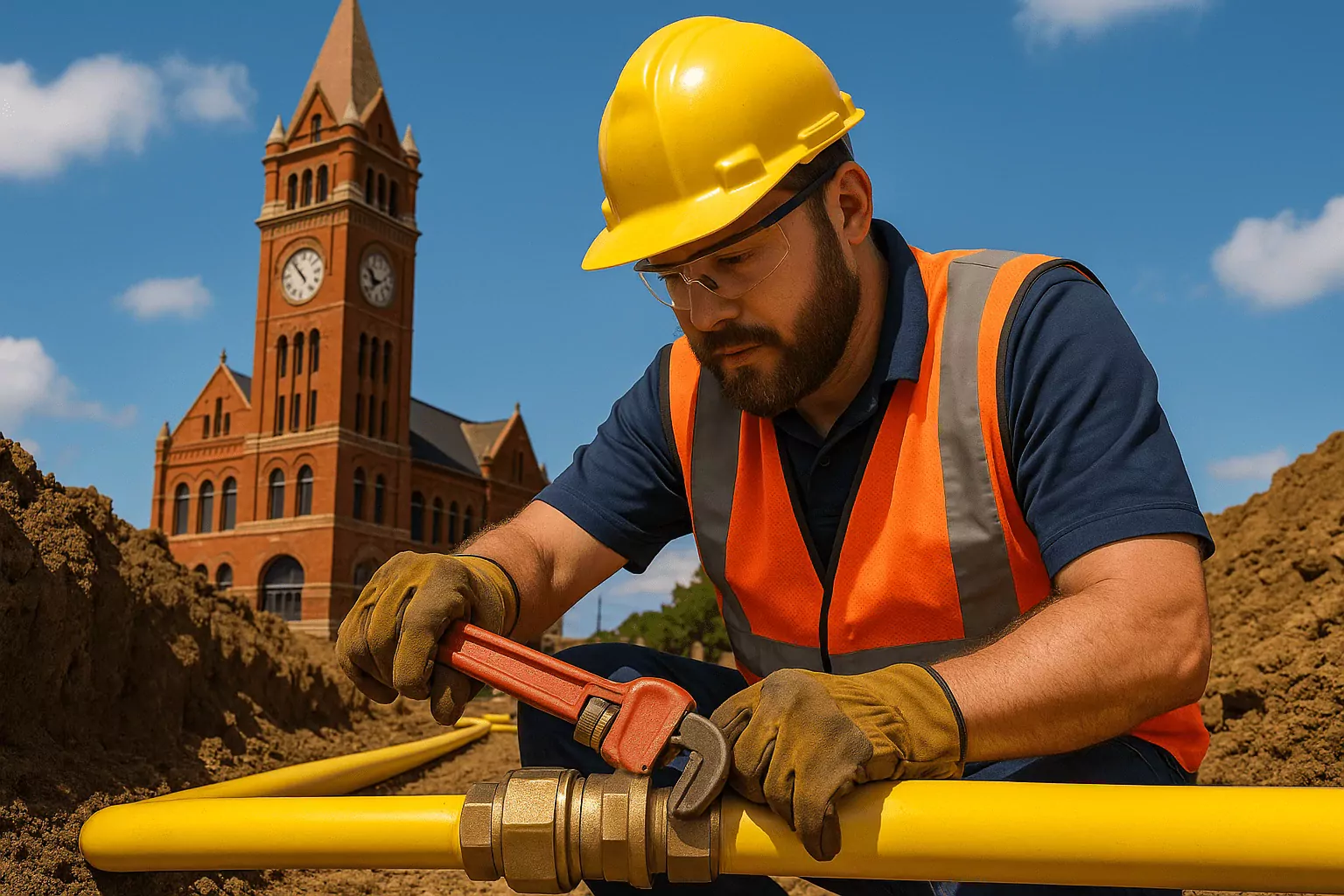
Whether you are adding a new range, converting to a gas water heater, or powering a standby generator, gas line installation Port Arthur projects must be done safely and to code. In this guide, you will learn how permits, sizing, materials, and inspection standards work together to keep natural gas and propane systems reliable. We will break down the steps professionals use, highlight common pitfalls, and offer local insights for the Gulf Coast climate. If you want a quick overview, explore gas line installation Port Arthur resources and planning tips to get started. You will also see real-world examples from homes and small businesses to help you budget and schedule. By the end, you will know what to expect from a licensed plumber, how to pass inspection the first time, and how to avoid costly rework.
Codes, Permits, and Planning for gas line installation Port Arthur
Every gas line installation Port Arthur project begins with code compliance and permitting to protect people and property. The City of Port Arthur requires permits and inspections for most new gas piping or significant extensions, and approvals are based on nationally recognized standards like NFPA 54 (National Fuel Gas Code). Homeowners and contractors should confirm requirements with the local building department, including floodplain considerations that may affect meter heights and appliance locations. Planning also includes calling 811 to locate utilities before trenching and documenting the route to avoid existing water, sewer, and electrical lines. Early coordination with the utility for meter upsizing or relocation keeps the project timeline realistic and prevents last-minute changes.
A practical planning checklist helps move from concept to permit quickly without missing critical steps. Before engineering begins, gather appliance BTU ratings, preferred locations, and any future expansion plans such as an outdoor kitchen or pool heater. Discuss soil conditions and drainage, because high water tables and clay soils common to Southeast Texas can affect trench stability and burial depth. Confirm whether you are installing for natural gas from a utility meter or a propane system with a tank, since regulators, pressures, and materials may differ. Finally, align your schedule with inspection availability to avoid delays around holidays or severe weather events that can impact Gulf Coast municipalities.
Load Calculations and Sizing in gas line installation Port Arthur
Correct pipe sizing is the backbone of safe and efficient gas line installation Port Arthur projects. Licensed plumbers calculate total BTU demand, allowable pressure drop, and equivalent pipe lengths to select the right diameter for each segment. Undersized lines can starve appliances, causing nuisance shutdowns, sooting, or carbon monoxide hazards, while oversized lines can add unnecessary cost. For example, a Port Arthur homeowner installing a 24,000 BTU range, 40,000 BTU water heater, and 100,000 BTU furnace may need a larger main with strategic branch sizing to maintain pressure. In one local case, resizing a 60-foot run from 3/4-inch to 1-inch black steel solved intermittent furnace lockouts during winter cold snaps.
Pressure and material choices also influence sizing outcomes and inspection approvals. Many residential systems operate at low pressure, but medium-pressure systems are sometimes used for long runs or multiple high-demand appliances, which then require listed regulators at each appliance. When flexible CSST is used, manufacturers publish sizing charts that differ from rigid steel or PE pipe, so the design must follow the specific listing. Plumbers also factor in future loads like a standby generator or pool heater to avoid tearing up landscaping twice. Upfront engineering reduces call-backs, keeps utility pressure stable, and satisfies code officials reviewing the permit drawings.
Materials, Routing, and Installation Techniques for gas line installation Port Arthur
Choosing the right materials and methods is essential in the humid, coastal environment typical of Port Arthur and the Golden Triangle. Above-ground interior runs often use black steel or CSST, while underground exterior lines typically use yellow PE pipe with approved risers and anode protection. CSST requires bonding and grounding in accordance with the manufacturer and code to reduce lightning-related risks common in Gulf Coast thunderstorms. Routing should minimize joints, avoid sharp bends, and provide accessible shutoff valves at appliances and building points of entry. Where piping passes through walls or slabs, sleeves and clearances are added to protect against corrosion and movement.
Trenching and backfilling must account for soil chemistry and drainage to preserve pipe integrity over time. Installers maintain code-required burial depths, add tracer wire for PE piping, and separate gas lines from other utilities per local spacing rules. In a recent Port Arthur restaurant retrofit, the crew rerouted the gas main above a flood-prone area and used corrosion-resistant fittings to pass inspection and limit future maintenance. Proper supports and hangers on above-ground runs prevent sagging, vibration, and strain at appliance connections. Detailed photographs and as-built sketches help future service technicians locate shutoffs and troubleshoot efficiently.
Testing, Inspection, and Long-Term Safety for gas line installation Port Arthur
Before any new gas line installation Port Arthur job is placed into service, licensed contractors perform pressure testing per code and the approved permit. Low-pressure systems are typically tested with air at a specified pressure for a set duration while the piping is isolated and monitored with a calibrated gauge. During inspection, city officials verify permits, gauge readings, materials, bonding, regulator placements, and valve accessibility, then document approvals. After passing, the system is purged, appliances are connected, and a combustion safety check is performed to verify stable operation and proper venting. Technicians also tag shutoff valves and provide basic user education on leak response and emergency procedures.
Ongoing maintenance and awareness keep systems safe and efficient year-round in Southeast Texas. Homeowners should schedule periodic inspections, especially after hurricanes, foundation shifts, or remodels that can stress piping. If you smell gas or suspect a leak, evacuate immediately, call the utility, and contact a licensed professional instead of trying DIY fixes. Adding sediment traps, checking flexible connectors, and replacing aging appliance valves reduces nuisance outages and extends equipment life. Keeping records of permits, inspections, and pressure tests simplifies future upgrades and supports real estate transactions.
From permitting and sizing to installation and testing, a code-compliant gas line installation Port Arthur project follows a proven sequence that safeguards people and property. By planning early, documenting loads, choosing the right materials, and pressure testing correctly, you can pass inspection the first time and enjoy reliable performance. If you need help, 409 Plumbing provides expert design, installation, and repair for natural gas and propane systems across Orange, Beaumont, Bridge City, and the Greater Port Arthur area. Explore services, request a quote, or schedule an inspection to keep your home or business running efficiently. For fast support, call 409 Plumbing at 409-444-0066.
Helpful Resources About Gas Line Installation
Frequently Asked Questions About Gas Line Installation
How much does gas line installation cost in Port Arthur?
Costs vary based on length, material, pressure requirements, trenching conditions, and the number of appliances. A short interior extension to a range may be a few hundred dollars, while a long underground run to a generator or outdoor kitchen can be several thousand. Permits, inspections, and meter upgrades add to the budget but protect safety and resale value. Coastal soil conditions, concrete cutting, and floodplain requirements may also affect pricing and timeline. The best approach is to request a written estimate after a site visit that includes design assumptions, materials, testing, and inspection fees.
Do I need a permit for a small gas line addition or appliance hookup?
In most cases, yes, the City of Port Arthur requires permits and inspections for new gas piping or significant modifications. Even small extensions must meet NFPA 54 and local amendments, and the inspector will verify materials, sizing, bonding, and pressure testing. Permits protect your family, simplify insurance claims, and help avoid citations or costly rework during a home sale. For clarity on scope, check city guidance and speak with your licensed plumber before any work begins. Professional contractors typically handle permit paperwork, inspection scheduling, and as-built documentation for you.
What pipe should I use for underground gas lines in Southeast Texas?
Yellow PE (polyethylene) pipe with approved risers is commonly used for underground gas lines because it resists corrosion and is well suited to Gulf Coast soils. Installers include tracer wire for locating, maintain code burial depths, and separate gas lines from other utilities. In coastal areas, additional corrosion protection and proper backfill help extend service life and meet inspection standards. Above ground at risers, transitions to steel occur with listed fittings, and all joints are tested before service. Your licensed installer will select materials based on soil, route length, pressure, and local code requirements.
Registered Master Plumber Texas State Board of Plumbing Examiners
RMP #44702
Licensed and Bonded
Cities Serviced
409 Plumbing
Follow Us On
© 2026 409 Plumbing. All Rights Reserved.
Website Design and Hosting Provided by LocalBizBuzz,co