
24 Hour Service
Call 409-444-0066
Essential Guide to ADA Bathroom Plumbing in Vidor TX for Homeowners
Practical tips for homeowners in Vidor, TX to ensure compliant and functional ADA bathroom plumbing solutions.
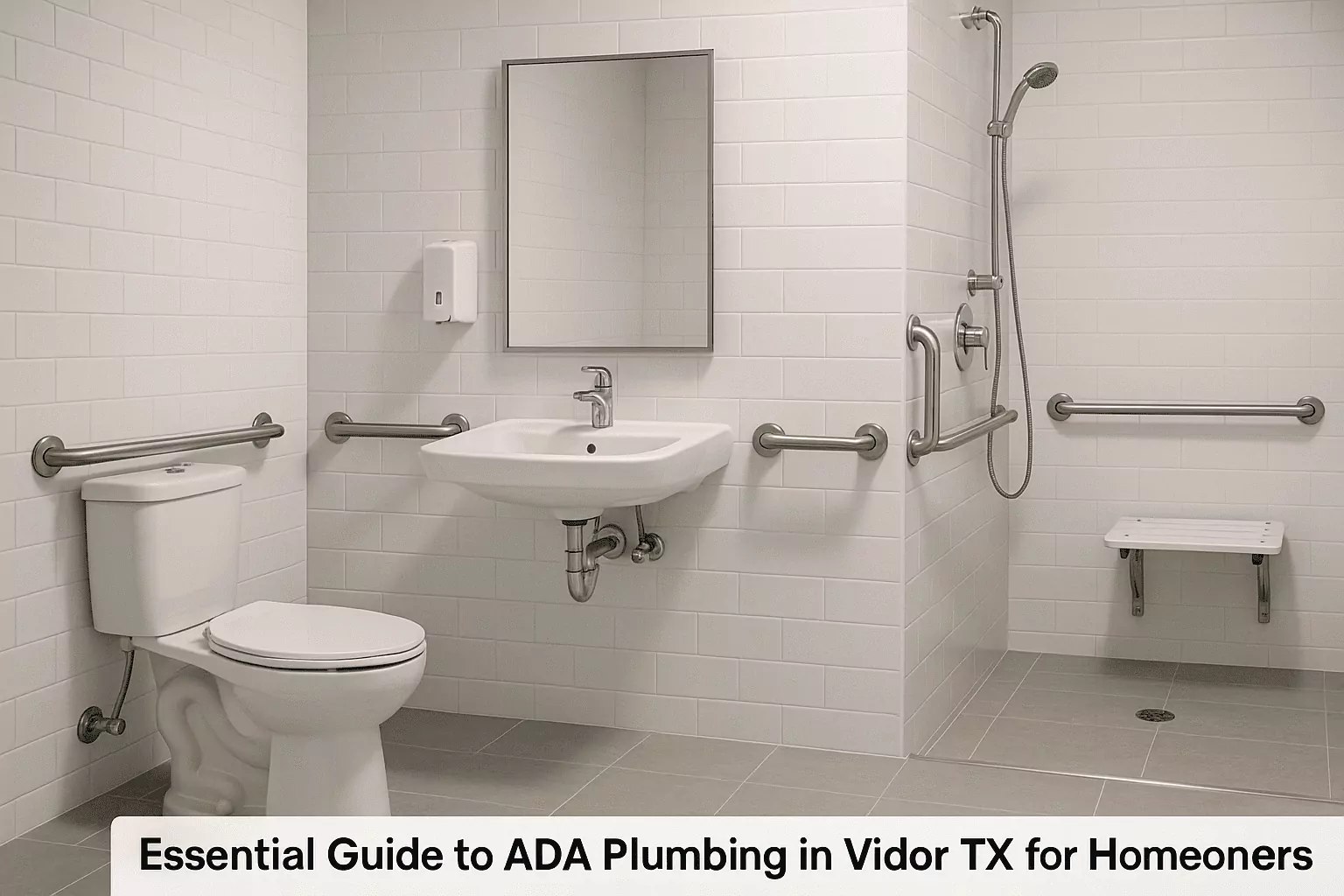
Creating an accessible bathroom is essential for homeowners in Vidor, TX, especially when considering the needs of family members or guests with disabilities. ADA bathroom plumbing ensures that your space complies with the Americans with Disabilities Act, providing safety and usability. Whether you are renovating or building a new bathroom, understanding the principles of ADA bathroom plumbing is crucial. This guide will delve into the necessary components, such as fixtures, layout, and installation tips that cater to accessibility standards. By following these guidelines, you can transform your bathroom into an inclusive environment that meets everyone's needs. Let's explore how to implement ADA bathroom plumbing in your Vidor, TX home effectively.
1. Understanding ADA Compliance Standards
ADA compliance involves specific standards that ensure accessibility for individuals with disabilities. These standards dictate the dimensions and features of bathrooms, including the height of sinks, toilet placements, and grab bar installations. For instance, toilets should be positioned at a height of 17 to 19 inches from the floor, which facilitates easier transfers for those with mobility challenges. Additionally, the clearance around the toilet must be at least 60 inches in diameter, allowing for wheelchair maneuverability. Familiarizing yourself with these standards is the first step in ensuring that your bathroom plumbing meets ADA requirements.
Moreover, the installation of grab bars is a critical aspect of ADA bathroom plumbing. These bars should be strategically placed next to toilets and showers to provide support when standing or transitioning between sitting and standing. The recommended height for grab bars is between 33 and 36 inches from the floor. Installing grab bars in the right locations can significantly reduce the risk of falls, making your bathroom much safer for everyone.
In addition to grab bars and toilet height, the layout of the bathroom must be carefully considered. The bathroom should allow for a clear path of travel, avoiding any obstructions. A minimum of 32 inches of clear width is required for doorways to accommodate wheelchair access. Understanding these standards not only helps in planning the space but also in creating a functional and safe bathroom.
2. Choosing the Right Fixtures
When it comes to ADA bathroom plumbing in Vidor, TX, selecting the right fixtures is crucial. For sinks, wall-mounted models are often recommended, as they provide additional space underneath for wheelchair users. The sink should also have lever-style faucets that are easier to operate with limited dexterity. These faucets allow users to turn the water on and off without needing a firm grip, enhancing usability.
Another important fixture is the shower. Roll-in showers are ideal for accessibility, featuring a flat entrance that accommodates wheelchairs. These showers often include built-in benches and handheld showerheads, making bathing easier and safer. Installing anti-slip tiles can further enhance safety, as they reduce the risk of falls in wet areas.
Additionally, consider installing a comfort-height toilet that is easier to use for individuals with mobility issues. These toilets are typically 2 inches taller than standard toilets, making transitions more manageable. By focusing on these ADA-compliant fixtures, homeowners can create a functional and accessible bathroom that meets the needs of all users.
3. Installation Tips for Accessibility
Installing ADA bathroom plumbing requires attention to detail and adherence to specific guidelines. It is advisable to hire a licensed plumber familiar with ADA standards to ensure that all installations meet compliance requirements. Before beginning the installation, create a detailed plan that includes measurements and placements of all fixtures. This will help avoid costly mistakes and ensure that the bathroom layout is functional.
During installation, pay close attention to the heights of all fixtures. For example, ensure that the sink countertop is no more than 34 inches high, and that the faucet controls are easily reachable from a seated position. Proper placement of grab bars is essential, and they should be secured to wall studs for maximum support. Regularly refer to the ADA guidelines during the installation process to ensure compliance.
Finally, after installation, conduct a thorough inspection of the bathroom to ensure that all features are accessible and functional. Test the fixtures and ensure that there are no obstructions that could hinder movement. By following these steps, homeowners can create a safe and accessible bathroom environment that meets ADA standards.
4. Case Studies: Successful ADA Bathroom Transformations
To illustrate the importance of ADA bathroom plumbing, let's look at a few case studies of successful transformations in Vidor, TX. One homeowner, after a serious injury, needed to adapt their bathroom for wheelchair accessibility. By removing the traditional tub and installing a roll-in shower, along with a wall-mounted sink, they created a space that allowed for greater independence and safety.
Another case involved a family member moving in with mobility challenges. The homeowners decided to renovate their existing bathroom by adding grab bars, a comfort-height toilet, and lever faucets. These changes not only improved the functionality of the bathroom but also added value to their home, showcasing the importance of ADA compliance in property value.
These case studies highlight how homeowners can effectively implement ADA bathroom plumbing to create accessible spaces that cater to individual needs. Each transformation serves as a reminder of the positive impact that thoughtful design and installation can have on daily living.
In summary, understanding ADA bathroom plumbing in Vidor, TX, is essential for creating safe and accessible home environments. By adhering to ADA compliance standards, choosing the right fixtures, and following installation best practices, homeowners can significantly enhance usability and safety. The case studies highlight the positive impacts of thoughtful bathroom modifications, demonstrating that accessibility is not just a requirement but also an opportunity for improved living spaces. For assistance with your ADA bathroom plumbing needs, contact 409 Plumbing at 409-444-0066 or check out more tips on our plumbing blog. Let us help you create an inclusive and functional bathroom today!
Frequently Asked Questions About ADA Bathroom Plumbing
What is ADA bathroom plumbing?
ADA bathroom plumbing refers to the plumbing installations and layouts within a bathroom that comply with the Americans with Disabilities Act standards. This includes specific requirements for fixture heights, accessibility features like grab bars, and the overall bathroom layout to ensure safety and usability for individuals with disabilities. Complying with these standards not only enhances accessibility but also ensures that the bathroom is safe for all users.
How can I ensure my bathroom meets ADA standards?
To ensure your bathroom meets ADA standards, start by familiarizing yourself with the ADA guidelines relevant to bathroom design. You can reference the ADA website or consult with professionals who specialize in accessible design. Key elements include proper fixture height, the inclusion of grab bars, and ensuring sufficient space for wheelchair access. Hiring a licensed plumber who understands these guidelines can greatly assist in achieving compliance.
Are there any financial incentives for making my bathroom ADA compliant?
Yes, there are often financial incentives available for making your bathroom ADA compliant. Many states offer tax deductions or credits for home modifications that enhance accessibility. Additionally, some grants are available for homeowners who need to make significant changes to their living spaces for health-related reasons. It's advisable to research local programs and consult with a financial advisor to explore available options.
Can I DIY my ADA bathroom plumbing project?
While some aspects of an ADA bathroom plumbing project can be tackled as a DIY project, it is highly recommended to consult or hire a professional plumber. Ensuring compliance with ADA standards requires specific knowledge and expertise that a professional can provide. DIY efforts may lead to non-compliance, which can create safety hazards and additional costs down the line. It is best to invest in professional help for key installations.
What are the benefits of having an ADA compliant bathroom?
Having an ADA compliant bathroom offers numerous benefits, including increased safety, enhanced usability, and improved property value. An accessible bathroom allows individuals with disabilities to navigate the space independently, reducing the risk of accidents. Additionally, homes with ADA compliant features can appeal to a wider range of buyers, making them more marketable. Furthermore, it fosters an inclusive environment for all family members and guests.
Registered Master Plumber Texas State Board of Plumbing Examiners
RMP #44702
Licensed and Bonded
Cities Serviced
409 Plumbing
Follow Us On
© 2026 409 Plumbing. All Rights Reserved.
Website Design and Hosting Provided by LocalBizBuzz,co