
24 Hour Service
Call 409-444-0066
Ensuring Safety: The Importance of Gas Pressure Testing in Beaumont Homes
Protect your Beaumont home and family by understanding the critical role of gas pressure testing for safety and compliance.
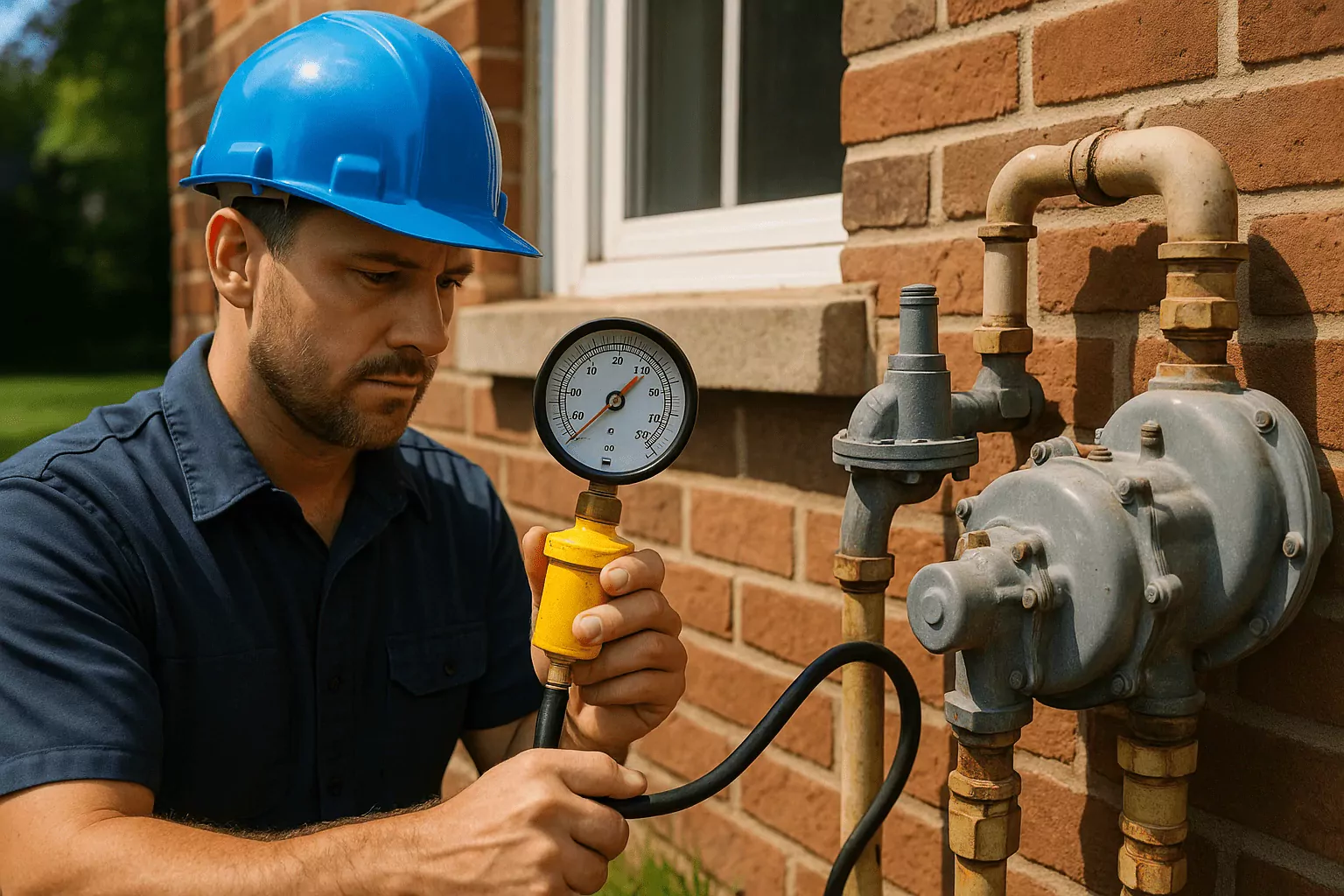
For homeowners in Southeast Texas, few maintenance checks are as vital as gas pressure testing Beaumont families can rely on. Natural gas and propane power everyday comforts, but even minor leaks can create serious safety hazards if they go undetected. A professionally performed test verifies system integrity, confirms code compliance, and prevents unseen issues from becoming expensive emergencies. Learn the essentials, from how pressure testing works to local permitting requirements and timing. To dive deeper into gas pressure testing Beaumont residents depend on, we unpack proven steps and real-world examples below. By the end, you will know exactly what to expect and how to schedule a safe, efficient test with a licensed local pro.
What gas pressure testing Beaumont homeowners need to know
Gas pressure testing is a controlled procedure that checks whether your fuel gas piping can hold a specified pressure without losing it over a set period. In Beaumont's climate, thermal expansion and soil movement can stress joints and fittings, making periodic testing a smart preventive step. Tests typically occur when installing new piping, reconnecting service after an interruption, or whenever a leak is suspected. Licensed plumbers cap the system, isolate appliances as needed, and use calibrated gauges to confirm stability under test conditions. The result is a pass-or-fail determination that guides repairs, permitting, and safe system restoration.
Beaumont-area codes and best practices mirror national standards designed to minimize risk and protect property. Even if your home seems to operate normally, tiny leaks can exist without the telltale smell of mercaptan, especially in outdoor or ventilated spaces. Pressure testing removes guesswork by providing measurable proof that the system is tight and safe to use. It also serves as documentation for insurers, property managers, and real estate transactions when buyers want confidence in a home's gas lines. In short, it is both a safety measure and a smart investment in long-term home value.
How the gas pressure testing process works and what to expect
A typical gas pressure test begins with a visual inspection of exposed piping, valves, connectors, and appliance shutoffs. Your plumber will isolate appliances, cap open outlets, and connect a manometer or precision gauge to apply a known test pressure. The system is then monitored for a defined interval, and any pressure drop indicates a leak that must be located and corrected before retesting. In many cases, technicians use a combination of pressure decay tests and targeted leak detection spray to pinpoint problem areas. Once repairs are made, the system is retested to verify that it now holds pressure according to code.
To make your appointment faster and smoother, prepare by clearing access to your gas meter, attic hatches, and appliance areas. If you have recent remodels or new appliance installs, keep permits and manuals handy so your plumber can verify ratings and connections. Expect your licensed technician to explain gauge readings, test duration, and pass/fail criteria in plain language. For homeowners who want a checklist, here are common steps included in gas pressure testing Beaumont residents request:
Codes, permits, and inspections for gas pressure testing Beaumont, Orange, and Bridge City
Most local requirements align with NFPA 54, also known as the National Fuel Gas Code, which defines test pressures, durations, and materials for residential systems. You can review the standard's scope at the National Fire Protection Association website to understand the rationale behind testing protocols. In Texas, oversight and safety guidance also come from the Railroad Commission of Texas, which maintains resources on gas safety and consumer protections. For Beaumont homeowners performing new gas work or major repairs, permits and inspections may be required before service is restored. Checking with your city's permitting office ensures the test and any follow-up work meet current local rules.
If you live in Beaumont, Orange, or Bridge City, it is wise to confirm whether your planned work triggers an inspection and what documentation is needed. A licensed plumber will typically coordinate the test, complete necessary forms, and present pass results to the inspector if required. This streamlined approach helps avoid delays when you are trying to reconnect service after a renovation, storm event, or line replacement. It also reduces the risk of repeat visits caused by missing paperwork or unapproved materials. Choosing a contractor familiar with local offices and inspectors can save time and prevent headaches.
Authoritative resources worth bookmarking include the NFPA's overview of NFPA 54, the Railroad Commission of Texas pipeline and gas safety pages, and your local permitting department's guidance. These references help homeowners understand why pressure testing parameters exist and when they apply to residential projects. They also explain safety basics such as meter clearance, bonding and grounding of CSST, and appliance labeling. When your plumber's steps align with these reputable standards, you can be confident the job is being done right. Ultimately, sound code knowledge translates into safer homes and reliable, efficient gas systems.
Real-world examples, prevention tips, and when to schedule gas pressure testing Beaumont
Consider a recent case in Beaumont where a homeowner noticed a faint odor near a water heater after a kitchen remodel. A pressure test revealed a small leak at a threaded fitting hidden behind new cabinetry, which would have been easy to miss without instrumentation. Repair was straightforward and prevented both wasted fuel and a potential hazard in an enclosed space. In Orange, a family returning from vacation found their gas service off due to a meter replacement; a mandated pressure test after reconnection caught a cracked connector in the attic. In Bridge City, a pre-sale inspection with pressure verification helped a seller document a tight system and close faster with confident buyers.
As a rule of thumb, schedule a test after any piping changes, when adding or relocating appliances, before reactivating service after an interruption, or if you ever smell gas. It is also prudent to test older homes that have original steel piping, especially where corrosion or soil movement might be a factor. If you are planning a remodel, ask your contractor to coordinate testing so insulation and drywall do not hide critical joints before verification. Preventive testing can be paired with upgrades like seismic shutoff valves, appliance flex connector replacements, and proper CSST bonding for added safety. These small steps reduce risk and often improve system performance and efficiency.
Choosing the right licensed plumber and getting started
For gas pressure testing Beaumont homeowners trust, work with a licensed, insured contractor who uses calibrated equipment and follows NFPA 54 guidance. Ask for a clear scope that lists the test pressure, duration, isolation steps, and documentation you will receive afterward. Experienced local pros will also advise on permits, schedule coordination with inspectors, and any cost-saving bundling of minor repairs found during testing. If you need additional work like leak repairs or appliance re-connection, request an itemized estimate so you know exactly what is included. Transparent communication and code-driven methods are the hallmarks of a safe, successful test.
409 Plumbing serves Beaumont, Orange, and Bridge City with timely scheduling, careful diagnostics, and friendly, on-site explanations of every test result. If you want a full overview of related offerings, explore our gas line services and leak detection solutions for proactive care. When you are ready to book, use our quick contact form to request an appointment or ask permitting questions. Homeowners who enjoy safety tips and seasonal maintenance ideas can also browse our latest insights on the 409 Plumbing blog. With the right partner, testing becomes straightforward, code-compliant, and stress-free from start to finish.
Gas pressure testing delivers the confidence that your home's fuel system is tight, efficient, and code-compliant. From identifying hidden leaks to documenting safety for permits and sales, it is a simple step with outsized benefits. By partnering with a licensed plumber who follows NFPA 54 and local requirements, you ensure the process is precise, safe, and properly documented. If you live in Beaumont, Orange, or Bridge City, now is the perfect time to schedule a check and update any aging connectors or valves. For courteous, expert help, contact 409 Plumbing at 409-444-0066. Book online through our contact form or explore gas line services to get started today. Your home's safety and comfort are worth the peace of mind a professional test provides.
Resources About Gas Pressure Testing
Frequently Asked Questions About Gas Pressure Testing
How often should I schedule gas pressure testing in Beaumont?
A good baseline is to schedule a test any time gas piping is added, moved, or repaired, and when reactivating service after a shutoff. Older homes or properties with frequent soil shifting, storm damage, or corrosion risks may benefit from periodic preventive testing every few years. If you detect the smell of gas, hear hissing near a line, or receive unexpectedly high gas bills, schedule a test immediately. Real estate transactions also commonly include pressure verification to reassure buyers and lenders. When in doubt, consult a licensed plumber who can evaluate your specific system age, materials, and recent work to recommend a safe interval.
Is gas pressure testing safe for my appliances and piping?
Yes, when conducted by a licensed professional using code-appropriate pressures and procedures, the test is safe for residential piping and appliances. Plumbers isolate appliances and cap outlets to prevent overpressurizing sensitive components during the procedure. The test pressures used are selected according to NFPA 54 and local codes to confirm integrity without causing damage. If any part of the system is vulnerable, your technician will identify it and recommend safe corrective actions before proceeding. The goal is to verify system tightness while fully protecting your home and equipment.
Do I need permits or inspections for gas pressure testing in Beaumont, Orange, or Bridge City?
Permit needs vary based on the scope of work, such as new piping installations, major repairs, or service reconnections. In many cases, the test itself is part of a permitted project that requires an inspection before the gas can be turned back on. Your licensed plumber will typically advise on whether a permit is needed and can coordinate with the local jurisdiction to prevent delays. For Beaumont and neighboring cities, it is best to confirm specifics with the permitting department before work begins. Proper documentation ensures compliance and a smooth path to restoring service safely.
How long does a gas pressure test take, and what does it cost?
Most residential tests take between one and three hours depending on access, system size, and whether any leaks are found along the way. Costs vary with home layout, number of appliance drops, and any required permitting or inspection coordination. If repairs are needed, your technician will provide a clear estimate before proceeding so you can approve next steps. Homeowners often save time and money by addressing minor fixes during the same visit, followed by a quick retest. Ask your contractor for an itemized proposal that separates testing, repair, and inspection fees for transparency.
Registered Master Plumber Texas State Board of Plumbing Examiners
RMP #44702
Licensed and Bonded
Cities Serviced
409 Plumbing
Follow Us On
© 2026 409 Plumbing. All Rights Reserved.
Website Design and Hosting Provided by LocalBizBuzz,co