
24 Hour Service
Call 409-444-0066
Emergency Solutions to Fix a Leaking Water Heater Fast in Beaumont
Quick and effective methods for Beaumont homeowners to tackle leaking water heaters and prevent costly water damage.
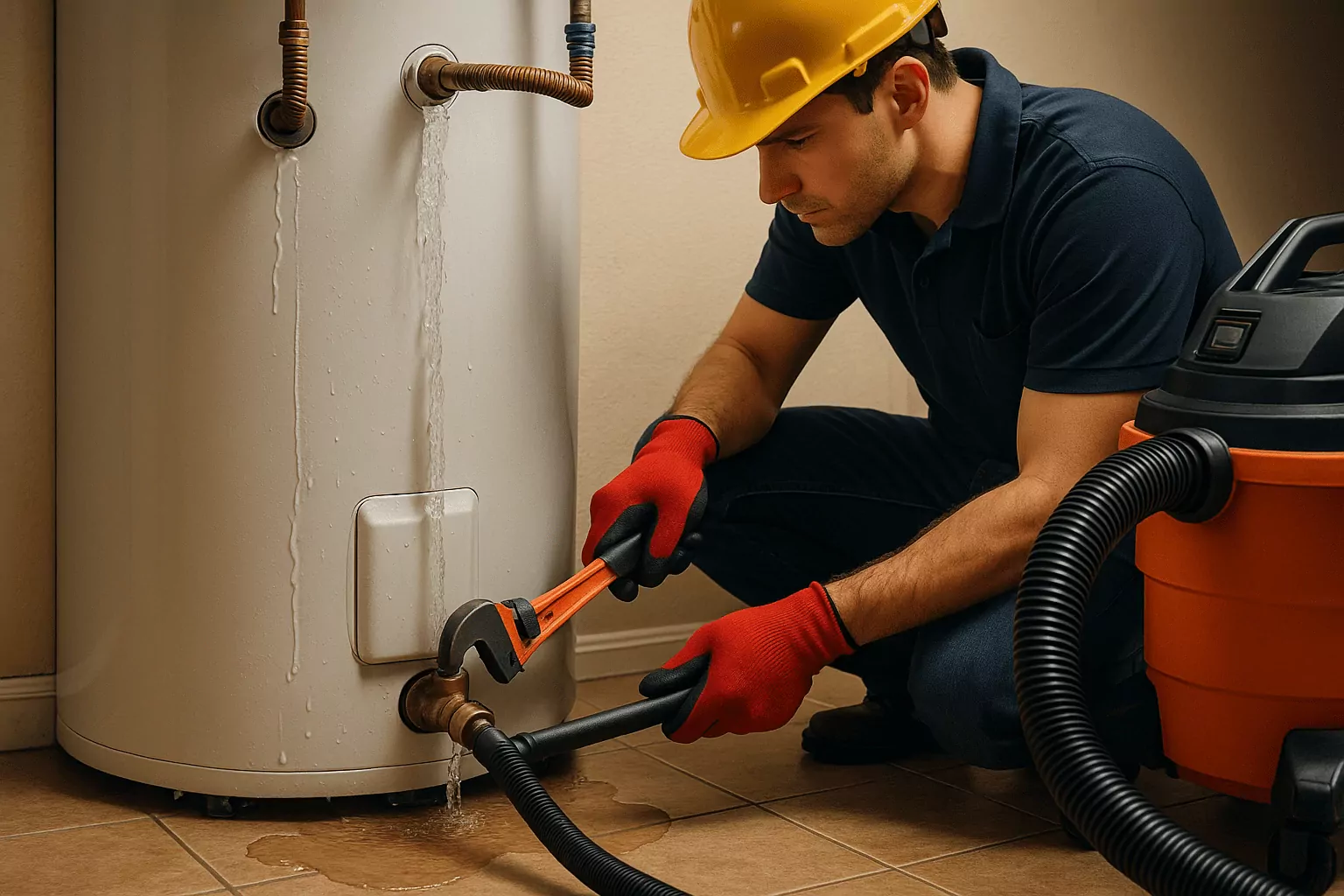
If you discover water pooling around your tank, you need to fix leaking water heater fast Beaumont so you can protect your home from costly damage. Quick action limits floor and drywall damage, reduces the risk of electrical hazards, and can even save the unit. This guide shows exactly what to do in the first five minutes, how to identify the source, and which repairs you can safely attempt. For an immediate overview or to request help now, use this link: fix leaking water heater fast Beaumont. We will also share local examples from homes in Beaumont and the surrounding Golden Triangle to make each step realistic and actionable. When you are ready for professional help, 409 Plumbing offers same-day service across Beaumont, Orange, and Bridge City to restore hot water and peace of mind.
Immediate safety steps to fix leaking water heater fast Beaumont
Start by shutting off power or fuel to the water heater to prevent hazards. For electric units, switch off the breaker labeled "water heater" at your electrical panel, and confirm the element is not energized before touching the unit. For gas units, turn the gas control to the Off position and close the gas shutoff valve on the supply line if needed. Next, close the cold water inlet valve above the tank by turning it clockwise to stop the flow of water feeding the leak. These steps stabilize the situation and buy time so you can inspect safely without water continuing to spread.
After shutting off power and water, relieve internal pressure by carefully lifting the TPR (temperature and pressure relief) valve lever for a few seconds. Place a bucket at the discharge pipe first to catch hot water and prevent scalds. If the leak is significant, attach a garden hose to the drain valve near the bottom of the tank and direct it to a floor drain or to the outdoors at a safe grade. Draining 2 to 5 gallons often reduces dripping long enough to troubleshoot where the water is coming from. Place towels and a drain pan or baking sheet to channel water away from baseboards and cabinets while you work.
With immediate risks controlled, scan for electrical cords, nearby outlets, or appliances that may have gotten wet and keep all children and pets away from the area. If standing water is near outlets or if you smell gas, leave the area and call a professional right away. The Centers for Disease Control and Prevention advises drying wet building materials quickly to discourage mold growth, so set up fans and dehumidifiers if you have them. You can reference general water-damage safety from the American Red Cross for guidance on cleanup steps after leaks. If you feel uncertain at any point, contact a licensed plumber for urgent support before proceeding.
Pinpointing the source: top, side, or bottom leaks
Not all leaks mean the tank has failed; many come from fittings or valves that can be tightened or replaced. Begin at the top of the tank and dry the area thoroughly, then watch for moisture reappearing. Common top leaks come from the cold-water inlet, hot-water outlet, or the dielectric unions where copper meets steel. A slow drip here may stop with a quarter turn on a compression nut or with Teflon tape and pipe dope during a reconnection. If you see water around the TPR valve threads at the top or side, the valve may be loose or its seal may be compromised.
Side leaks often involve the TPR valve opening due to excessive temperature or pressure. If water intermittently discharges through the TPR pipe, check the thermostat setting and reduce to about 120 F per the U.S. Department of Energy's guidance for efficiency and safety. Excessive pressure without an expansion tank in a closed plumbing system can also force the TPR to weep; in those cases, installing a thermal expansion tank typically solves recurring discharge. Examine the anode rod port and heating element gaskets on electric models, as those rubber gaskets can age and seep. If you see corrosion streaks or mineral trails, you may have a slow, long-term leak that needs parts replacement.
Bottom leaks frequently point to the drain valve or the tank itself. A plastic drain valve may not fully close after a flush and can drip; adding a brass cap or replacing the valve can stop the leak. If water seeps from the seam where the tank meets the outer jacket or from under the insulation, the glass-lined tank may be ruptured from corrosion and requires full replacement. In Beaumont, sediment from local water can build up at the bottom of the tank, leading to overheating and premature tank failure if not flushed annually. We helped a homeowner near Dowlen Road who noticed a small puddle only after long showers; testing confirmed the drain valve was weeping under heat, and a quick swap plus a flush resolved it the same day.
Fast DIY fixes vs when to call a pro in Beaumont
Certain quick fixes are reasonable for handy homeowners if you feel confident and have basic tools. Tightening top connection nuts by a small increment and rewrapping male threads with Teflon tape can stop minor seepage at inlet and outlet fittings. Replacing a faulty drain valve is straightforward on a cooled, depressurized tank: drain several gallons, unscrew the old valve, apply pipe dope, and thread in a new brass valve. If a TPR valve is leaking from its threads (not discharging from the pipe), you may remove and reseal it, but remember that a TPR is a safety device and must be the exact temperature and pressure rating for your heater. Always test for leaks after each step and restore power only after refilling the tank completely and purging air at a hot tap.
There are clear times to call a local pro to fix leaking water heater fast Beaumont without risk. If you suspect a tank rupture, see significant corrosion, or experience recurring TPR discharge, professional diagnostics are essential. Gas line work, flue adjustments, and electrical element replacements should be handled by licensed technicians for safety and code compliance. A plumber can also evaluate if your home needs a thermal expansion tank, new dielectric unions, or a pan with a proper drain to a safe location. In one Beaumont case near West End, installing a small expansion tank eliminated chronic TPR weeping that had been misdiagnosed for months.
Working with a local team ensures fast parts access and same-day solutions. 409 Plumbing stocks common valves, elements, anode rods, and fittings to cut downtime and restore hot water quickly. Explore our dedicated page for water heater repair in Beaumont to learn about diagnostic steps and typical timelines. If you are facing active leaking right now, use our contact form page to get priority dispatch.
Preventing future leaks: maintenance and upgrades that pay off
Simple maintenance dramatically reduces the chance of surprise leaks and extends tank life in Beaumont's climate. Flush a few gallons from the drain valve every three months to remove sediment that causes overheating and noise. Inspect and replace the anode rod every 2 to 4 years depending on water quality; a depleted anode accelerates corrosion and shortens the tank's lifespan. Keep the thermostat around 120 F to balance comfort, safety, and energy savings as recommended by the U.S. Department of Energy. Finally, check the TPR valve annually using the lever to confirm smooth operation and proper discharge to a safe location per manufacturer guidance.
Adding a few low-cost upgrades can protect floors, walls, and cabinetry. Install a metal drain pan under the tank with a plumbed drain line to the exterior or floor drain, which contains small leaks and directs water safely away. In homes with closed systems or frequent pressure spikes, a thermal expansion tank prevents TPR weeping and reduces stress on the heater and fixtures. Smart leak detectors with automatic shutoff valves can sense water at the pan and close the supply line in seconds, ideal for homeowners who travel. Insulating hot and cold lines within the first 6 feet reduces condensation in humid months and minimizes heat loss.
Think of prevention as a short checklist you can repeat each season. The most effective tasks include the following:
For additional background, review the U.S. Department of Energy's guidance on water heating and safety. If a leak has soaked walls or baseboards, the CDC's tips for mold cleanup can help you mitigate health risks. When in doubt, contacting a licensed plumber ensures code-compliant solutions and lasting results that preserve your warranty coverage. 409 Plumbing is ready with same-day appointments to make prevention practical and affordable across Beaumont, Orange, and Bridge City.
Acting quickly and methodically is the key to protecting your home and restoring hot water when a leak appears. Shut off power and water, relieve pressure, and then trace the source from top to bottom to determine if a quick repair will solve it. Many issues, like a dripping drain valve or weeping fittings, can be addressed the same day with the right parts and safe techniques. For bigger concerns like recurring TPR discharge, heavy corrosion, or suspected tank failure, bring in a licensed pro for code-compliant solutions. 409 Plumbing provides fast, local help to fix leaking water heater fast Beaumont, with same-day service across Orange, Beaumont, and Bridge City. Call 409 Plumbing at 409-444-0066 to schedule immediate service. We are here to protect your home, restore hot water quickly, and help you prevent future leaks with smart maintenance and upgrades.
Frequently Asked Questions About Fixing a Leaking Water Heater Fast
What should I do first when my water heater starts leaking?
Turn off power or fuel to the heater and close the cold water inlet valve immediately. For electric units, shut off the breaker; for gas, turn the control to Off and close the gas valve if needed. Relieve pressure carefully by lifting the TPR valve lever for a few seconds and use a hose to drain several gallons if necessary. Keep children and pets away from the area, and avoid standing water near electrical outlets. Once stabilized, look for the leak source at the top fittings, the TPR valve, the drain valve, or from under the jacket. If you are unsure or smell gas, leave the area and call a licensed plumber right away.
How can I tell if the tank is ruptured or if it is just a valve issue?
Dry the tank thoroughly and observe where water reappears. If moisture seeps from a fitting or valve, it often points to a repairable part like the drain valve, TPR valve, or a threaded connection. Persistent wetness at the bottom seam, water under the insulation, or rust streaks from the jacket can indicate a tank rupture. Tank ruptures are not repairable, and replacement is the safest option. A professional can pressure-test and verify whether you need parts, an expansion tank, or a full unit replacement. When you need to fix leaking water heater fast Beaumont, a same-day evaluation cuts guesswork and prevents extra damage.
Can I replace a leaking drain valve or TPR valve myself?
Confident DIYers can replace these parts if they follow proper safety steps and match specifications. Shut off power and water, depressurize the system, and allow the tank to cool before attempting any work. Choose a brass drain valve and the correct TPR valve rating that matches your heater's label. Use Teflon tape and pipe joint compound on male threads, snug without over-tightening, and test for leaks with the water on before restoring power. If the TPR is discharging due to temperature or pressure, the underlying cause may be thermostat settings or the need for a thermal expansion tank. When in doubt, hire a licensed plumber to ensure code compliance and warranty protection.
How do I prevent my water heater from leaking again?
Routine maintenance and a few upgrades go a long way. Flush sediment quarterly, test the TPR annually, and keep the thermostat at about 120 F. Inspect the anode rod every 2 to 4 years and replace it before it fully depletes to slow corrosion. Install a drain pan with a proper drain line and consider a smart leak detector with an automatic shutoff. If your system is closed or you notice pressure spikes, add a thermal expansion tank to reduce stress on the TPR and fittings. These steps, paired with an annual professional inspection, dramatically reduce leak risks and extend your heater's life.

Registered Master Plumber Texas State Board of Plumbing Examiners
RMP #44702
Licensed and Bonded
Cities Serviced
409 Plumbing
Follow Us On
© 2026 409 Plumbing. All Rights Reserved.
Website Design and Hosting Provided by LocalBizBuzz,co