
24 Hour Service
Call 409-444-0066
Effective Solutions for Sewer Odor in House Port Arthur: A Homeowners Guide
Practical tips for Port Arthur homeowners to tackle and eliminate sewer odors in their homes quickly and effectively.
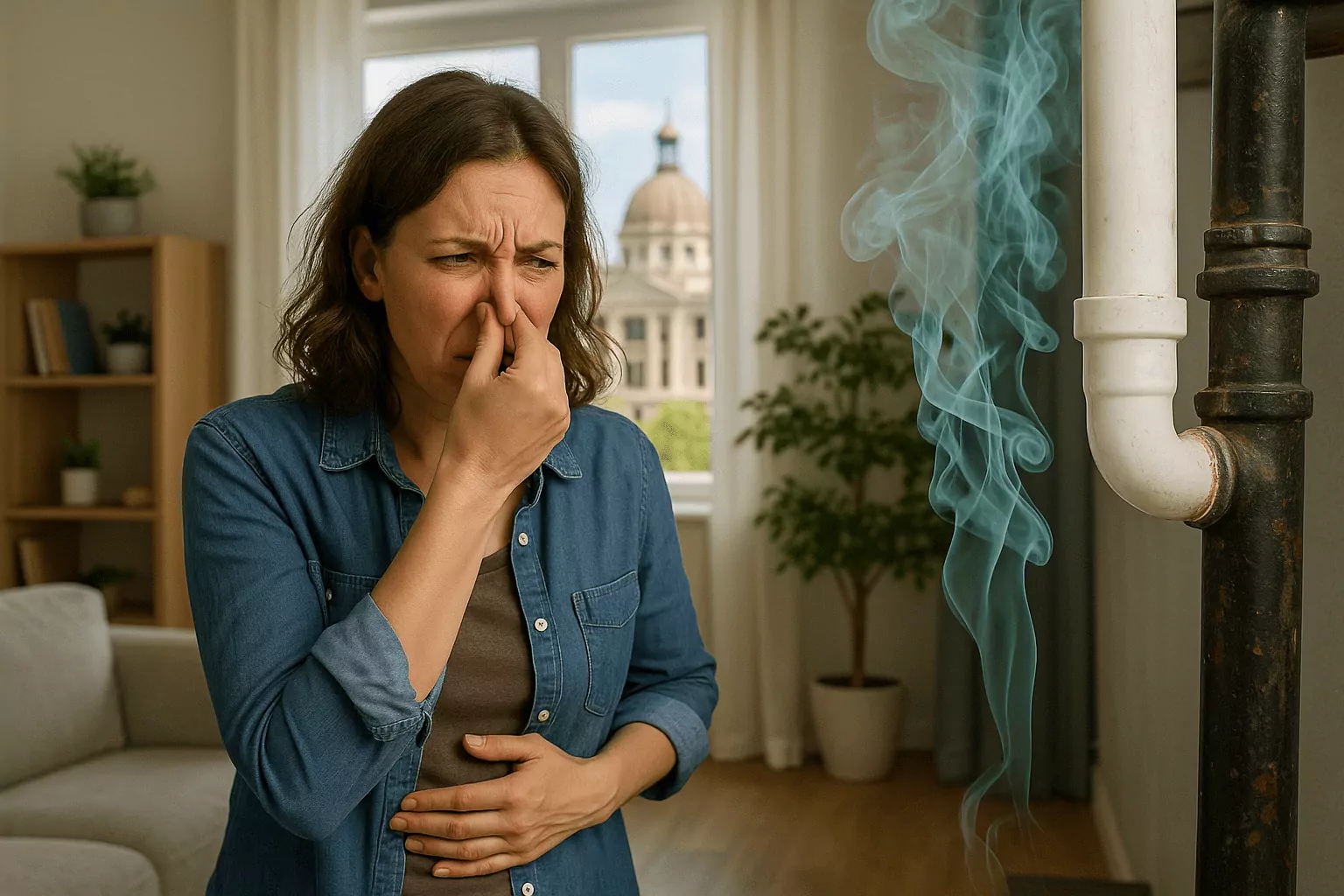
Dealing with sewer odor in house Port Arthur homes can be frustrating, embarrassing, and worrisome for health and safety. The good news is that most foul smells have identifiable causes and practical fixes that homeowners can handle or quickly arrange with a professional. In the Gulf Coast climate, humidity, heavy rains, and fluctuating water tables often intensify plumbing vent and trap issues that lead to sewer gas smells. Understanding how your drains, P-traps, and vent stacks work makes it easier to diagnose the source without guesswork. This guide explains the most common reasons for sewer odors, shows you step-by-step checks to try first, and outlines professional solutions used across the Golden Triangle. By the end, you will know how to eliminate the smell, prevent it from returning, and decide when to call a trusted local plumber.
Common causes of sewer odor in house Port Arthur homeowners should know
Most persistent odors come from lost water seals or venting problems that let sewer gases enter the living space. A P-trap under every sink, shower, tub, and floor drain holds water that blocks gases; when that water evaporates or siphons away, odors can flow inside. Seasonal factors in Port Arthur such as heat waves or long dry spells can evaporate trap water in little-used fixtures and floor drains. After storms, rapid drainage and pressure fluctuations can disturb water seals, while wind-blown debris can partially block roof vent stacks. In homes with aging plumbing or recent remodels, misaligned wax rings beneath toilets or incorrectly sloped drain lines can also create pathways for foul smells.
Sewer gases typically contain hydrogen sulfide and methane, which have a rotten-egg smell and can be harmful in high concentrations. Health agencies note that hydrogen sulfide is irritating at low levels and dangerous at higher levels, so persistent odors should never be ignored. For background on hydrogen sulfide exposure, review guidance from the Centers for Disease Control and Prevention at the CDC website. Local building codes require properly sized and clear vent stacks so pressure can equalize and traps remain sealed, preventing gases from entering the home. When the plumbing system is intact, you should never smell sewage; consistent odor is a sign to investigate promptly and methodically.
DIY diagnostics: a step-by-step approach to sewer odor in house Port Arthur
Start with a simple walkthrough to locate which room or fixture smells strongest, since the source is often nearby. Shine a flashlight into floor drains in laundry rooms, basements, and garages to verify there is standing water in the trap; if it is dry, pour in a quart of water. Next, run water for one to two minutes in little-used sinks, tubs, and showers to refill traps that may have evaporated. Check around each toilet base for wobble or moisture that could indicate a compromised wax ring seal. Step outside and look at roof vents from the ground to see if leaves, nests, or debris might be restricting airflow.
Once those basics are covered, use an odor checklist to isolate causes faster and avoid unnecessary work. Try these targeted checks and quick fixes:
If your home is on a septic system, also look and sniff around the yard for soggy areas or strong odors that may indicate a tank or drainfield issue. For general septic guidance, the U.S. Environmental Protection Agency provides homeowner resources that explain maintenance schedules and warning signs. If you notice odor intensifying after rain or strong winds, note the timing, because it helps a technician link the issue to venting or municipal surges. Document what you changed and how long relief lasted, as repeat patterns often reveal the true root cause. If the smell persists after these steps, it is time to consider professional testing and inspection.
Professional solutions for sewer odor in house Port Arthur: what to expect
When DIY steps do not resolve the odor, a licensed plumber can perform tests that pinpoint hidden defects quickly. Smoke testing is a leading method: harmless smoke is introduced into the drain-waste-vent system to reveal leaks at cracked pipes, failed seals, or untrapped fixtures. Video camera inspections can locate offsets, breaks, or heavy buildup within drain lines that trap debris and produce gas. In older homes and properties affected by repeated Gulf Coast storms, hydro-jetting may be recommended to scour scale and biofilm from pipes. Once the source is confirmed, targeted repairs such as replacing a wax ring, resealing a cleanout, or fixing a vent connection usually provide immediate relief.
Homeowners searching for sewer odor in house Port Arthur often ask how to choose the right help and what services are involved. A reputable local provider will explain findings in plain language, show video or smoke test evidence if available, and outline repair options with transparent pricing. Expect proactive recommendations too, such as adding trap primers to rarely used floor drains or correcting vent sizing per code to prevent repeat issues. For an overview of professional capabilities, explore our service offerings at our services and see how drain cleaning, camera inspections, and leak detection work together. If you are ready to schedule or need fast advice, reach out directly through our contact form for timely assistance.
Prevention plan: keep sewer odor in house Port Arthur from returning
Once the smell is gone, focus on consistent habits that protect water seals and keep vents clear year-round. Run water for a minute in seldom-used fixtures every two to three weeks, and top off floor drains with a little mineral oil after adding water. Mark your calendar to clean sink overflows, tub drains, and disposal splash guards monthly to minimize biofilm and grease residue. After major storms or high-wind events, visually check your roof vents from the ground for debris accumulation. If a bathroom is rarely used, consider installing a trap primer or scheduling periodic checks so traps never evaporate dry.
It also pays to maintain the broader plumbing system so odors do not have a chance to build. Follow product labels and limit use of harsh chemical drain cleaners that can damage pipes and vent seals over time. Use enzymatic cleaners periodically to help break down organic buildup in kitchen and laundry drains. If you plan a remodel, ensure new fixtures are vented to code and drain lines have proper slope so traps remain stable. For code-based venting best practices, consult reputable trade resources and local code guidance, and have vent terminations inspected during roof work to ensure long-term reliability.
Eliminating sewer odor in house Port Arthur homes starts with understanding traps, vents, and the local conditions that stress plumbing systems. By refilling water seals, clearing biofilm, and checking for vent obstructions, many homeowners can solve odors quickly. When smells persist, professional tools like smoke testing, camera inspection, and hydro-jetting pinpoint and fix root causes efficiently. Consistent maintenance such as topping off floor drains, running seldom-used fixtures, and cleaning overflows prevents most recurrences. If you want guided help, explore our services.
For friendly, local support in the Golden Triangle, contact 409 Plumbing at 409-444-0066. We proudly serve homeowners in Orange, Beaumont, and Bridge City with fast diagnostics and lasting repairs. If you are dealing with stubborn odors, reach us through our contact form to schedule service today. We will investigate thoroughly, show you clear evidence, and provide options that match your home and budget. Breathe easier knowing your plumbing is safe, code-compliant, and odor-free.
Frequently Asked Questions About Sewer Odor
Why does my home smell like sewer after heavy rain in Port Arthur?
Rain can intensify sewer odors because rapid pressure changes in the drain-waste-vent system may disturb water seals in P-traps. If a trap was already borderline low from evaporation, the sudden change can let gases slip into the room. Storms can also push debris into roof vents, reducing airflow and preventing proper pressure equalization. In low-lying Gulf Coast areas, saturated soils and high water tables can slow drainage and compound odor issues temporarily. As a first step, top off all traps with water and check for gurgling that indicates vent restriction, then schedule a professional smoke or camera test if the odor lingers.
Is sewer gas dangerous to breathe?
Sewer gas contains a mix of compounds, including hydrogen sulfide and methane, that are harmful at high concentrations and irritating at lower levels. Symptoms can include headaches, nausea, eye irritation, and coughing, especially in enclosed spaces with poor ventilation. Trusted health sources explain that even brief exposures to higher levels of hydrogen sulfide can be dangerous, so persistent odors warrant prompt action. For authoritative safety information, review hydrogen sulfide guidance from the CDC and related occupational health resources. If odors are strong, ventilate the area, avoid open flames, and contact a professional to identify and repair the source immediately.
What is the fastest way to get rid of a sewer smell from one bathroom?
Begin by running water in the sink, tub, and shower for a couple of minutes to refill traps, then flush the toilet and listen for gurgling. Clean the sink overflow slot and the drain stopper assembly where biofilm tends to collect and mimic sewer odors. Inspect the toilet base for movement or dampness that could indicate a failing wax ring seal allowing gases to escape. If you have a floor drain, pour in water and add a tablespoon of mineral oil to slow future evaporation. If the smell persists after these steps, schedule a smoke test or camera inspection to locate hidden leaks or venting defects quickly.
How much does professional odor detection and repair cost near Port Arthur?
Pricing depends on the scope of diagnostics and the repairs required once the source is identified. Many homeowners start with a service visit that may include basic inspection and targeted tests, and fees can vary by time and complexity. Camera inspections and smoke testing add diagnostic precision and may be recommended if the odor source is not obvious. Repairs can range from simple seal replacements to more involved vent or drain line corrections, which affects total cost. A trustworthy provider will present clear findings, options, and up-front estimates so you can choose the most effective and budget-friendly solution.

Registered Master Plumber Texas State Board of Plumbing Examiners
RMP #44702
Licensed and Bonded
Cities Serviced
409 Plumbing
Follow Us On
© 2026 409 Plumbing. All Rights Reserved.
Website Design and Hosting Provided by LocalBizBuzz,co