
24 Hour Service
Call 409-444-0066
DIY Bathroom Plumbing Maintenance: A Guide for Residents of Orange TX
Practical tips for Orange TX residents to handle bathroom plumbing issues and keep their systems running smoothly.
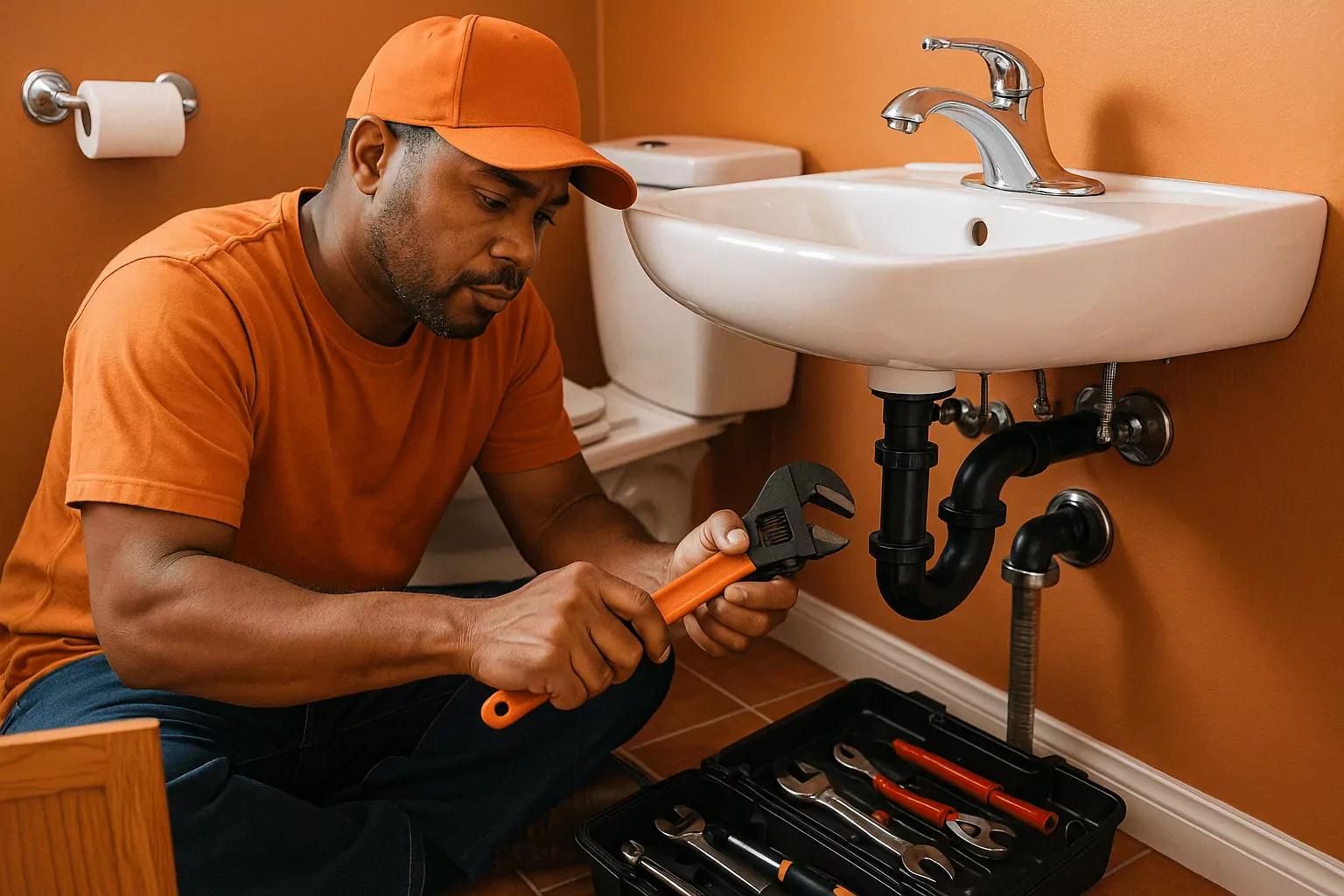
Whether you own a historic bungalow near Green Avenue or a newer build in Bridge City, staying ahead of bathroom repairs is smart homeownership. This guide to bathroom plumbing maintenance Orange TX will help you spot issues early and tackle simple fixes before they become expensive headaches. In the first 100 words, we want you to feel confident about checking shut-off valves, monitoring water pressure, and cleaning drains the right way. Gulf Coast humidity, mineral content in local water, and seasonal storms can all impact your fixtures and pipes, so a focused plan pays off. We will share easy routines, safety steps, and local case studies from Orange and nearby Beaumont to give you real-life context. For a quick reference, bookmark this page and, when needed, call 409 Plumbing for friendly expert help across Orange, Beaumont, and Bridge City. For an at-a-glance resource, visit bathroom plumbing maintenance Orange TX any time to refresh your checklist.
Routine checkups for bathroom plumbing maintenance Orange TX
Start with a monthly five-minute walk-through that looks for drips, discoloration, and slow drains. Shine a flashlight under sinks to spot moisture around P-traps, angle stops, and supply lines, as tiny beads of water can signal a slow leak. In Orange TX, humidity can make condensation look like a leak, so run the fan and recheck in 15 minutes to confirm. Gently turn shut-off valves a quarter-turn and back to prevent seizing, and feel flexible supply hoses for bulges or cracking. Flush each toilet and watch the bowl and tank for continuous running, which often points to a flapper or fill valve issue. These mini-inspections reduce surprises and align with seasonal needs before storms or cold snaps.
Clean and clear are your two maintenance mantras. Remove and rinse faucet aerators to flush out mineral grit that restricts flow and stresses cartridges. Pour a kettle of hot water down each drain monthly, followed by a baking soda and vinegar rinse, to clear early biofilm and soap scum without harsh chemicals. If you notice slow draining after showers, check the tub overflow and the trap for hair accumulation, using a plastic clog remover to avoid scratching finishes. Inspect caulk lines around tubs and showers to stop water intrusion into walls, especially critical in homes with older tile. Finally, read your water meter before and after a two-hour no-use window to catch hidden leaks if the dial moves unexpectedly.
DIY fixes that save money in Orange TX, and when to call a pro
Several common issues are perfect for confident DIYers armed with the right steps and safety. A dripping faucet often needs a cartridge or washer replacement; shut the water, plug the drain to catch screws, and take the old part to a local hardware store for an exact match. For a running toilet, turn off the valve, drain the tank, and replace the flapper and fill valve as a set to prevent mismatched wear. Address slow drains using a plastic hair snake and enzyme-based cleaner instead of corrosive chemicals that can damage older pipes. Replace cracked toilet supply lines with braided stainless steel and hand-tighten, finishing with a quarter-turn using pliers to avoid overtightening. If a repair requires torch work, extensive cutting, or you smell sewage, it is time to call a licensed plumber.
Consider a brief case from Sunset Drive in Orange, TX. A homeowner noticed warm cabinet walls and a faint musty odor after showers. Their DIY check found a loose hot-water compression fitting under the vanity; a simple snug with an adjustable wrench resolved it before damage spread. Another Beaumont condo owner repeatedly used chemical drain cleaners for a slow tub, which softened the trap and led to a leak that stained the ceiling below. The fix required trap replacement and drywall repair, exceeding what an earlier $5 hair snake could have prevented. When in doubt, a quick consultation through our services page can help you decide to DIY or schedule a professional visit.
Leak detection, moisture control, and bathroom plumbing maintenance Orange TX
Minor leaks can quietly drive up water bills and fuel mold in our Gulf Coast climate. Keep a moisture meter in your toolkit and check drywall near shower valves and baseboards for elevated readings. Look for mineral tracks or green-blue staining on copper which flags pinhole leaks, and orange-brown rust around steel fasteners that hints at persistent dampness. Use your bathroom fan for at least 20 minutes post-shower to vent humidity and reduce condensation that mimics leaks. Replace old wax rings if you notice dark staining or softness around the toilet base, which can signal slow seepage. If you suspect hidden leaks, meter tests and thermal imaging from a pro can quickly localize the issue.
Arming yourself with credible guidance supports smart decisions. The EPA notes that fixing easily corrected leaks can save homeowners about 10 percent on water bills, and WaterSense-labeled fixtures can further reduce usage without sacrificing performance. Review EPA tips at EPA Fix a Leak Week for practical checks on toilets and faucets. For moisture risks, the CDC outlines how chronic dampness contributes to mold growth and respiratory irritation; learn more at the CDC dampness and mold page. Pair these resources with local awareness: older Orange homes may have mixed piping materials, which change repair approaches. When you need targeted leak detection or remediation, contact 409 Plumbing for fast local support.
Upgrades, water conservation, and storm-readiness for Orange and Beaumont
Planned upgrades can strengthen your bathroom plumbing while trimming monthly costs. Swap standard shower heads and faucets for WaterSense-labeled models to cut water usage without losing comfort. Replace aging shut-off valves and rubber supply hoses with quarter-turn valves and braided stainless lines to boost reliability during emergencies. If local water pressure exceeds 60 psi, consider a pressure-reducing valve to protect fixtures and reduce drip risks. Smart leak sensors near toilets, vanities, and behind washing machines can alert your phone at the first sign of trouble. In older Bridge City properties, replacing corroded angle stops and adding accessible access panels for shower valves can simplify future maintenance.
Storm-readiness matters in Southeast Texas. Before major weather, confirm every bathroom shut-off operates smoothly, and label valves for guests or family members. Store plumber's tape, spare supply lines, and a universal flapper as part of a household kit for quick fixes after power restoration. If you evacuate, turn off individual fixture valves or even the main shut-off to minimize damage from a surprise line failure. After storms, recheck for leaks, moisture readings, and any toilet seal movement due to building shifts. For help setting standards and selecting components, browse our local plumbing tips or ask our team at 409 Plumbing for recommendations tailored to your fixtures and water conditions.
Consistent routines, smart DIY fixes, and timely upgrades keep your bathroom dependable and efficient in our Southeast Texas climate. By inspecting valves, cleaning aerators, clearing drains, and tracking moisture, you stop small problems from becoming major repairs. Lean on authoritative guidance from EPA WaterSense and CDC resources, and tailor each step to local conditions in Orange, Beaumont, and Bridge City. When the project exceeds your tools or comfort level, professional help preserves your finishes and your budget. Keep this guide handy, and revisit it each season to refresh your maintenance plan. Your home will run smoother, and your water bills will thank you.
Ready for expert support or a quick second opinion on bathroom plumbing maintenance Orange TX? Call 409 Plumbing at 409-444-0066. We proudly serve Orange, Beaumont, and Bridge City with prompt, friendly service. Explore our services or contact us to book your appointment today. For more tips, visit our local plumbing blog and stay ahead of the next maintenance task.
Frequently Asked Questions About Bathroom Plumbing Maintenance
How often should I perform bathroom plumbing maintenance in Orange TX?
Do a quick monthly walkthrough and a deeper seasonal check before peak storm periods. Monthly, look under sinks, test shut-off valves, clean aerators, and run hot water plus enzyme cleaner through drains. Seasonally, inspect toilet components, refresh caulk, and confirm your bathroom fan is moving air efficiently. If your home is older or has mixed piping, increase inspections until you learn its quirks. Track water meter readings during a two-hour no-use period to spot silent leaks. A simple log helps you notice patterns and improves your response time when something changes.
What tools and supplies should every Orange homeowner keep for bathroom repairs?
Keep an adjustable wrench, channel-lock pliers, a screwdriver set, plumber's tape, a utility knife, and a flashlight. Stock a plastic hair snake, enzyme drain cleaner, silicone caulk, a universal flapper, and spare braided supply lines. A moisture meter and a small level can diagnose leak sources and confirm proper toilet seating. Have rags, a bucket, and protective gloves for cleanup and safety, especially when opening traps. Label a storage bin with your parts and tools so family members can find them quickly during a small emergency. This kit streamlines bathroom plumbing maintenance Orange TX and prevents rushed store runs.
When is it safer to call a professional plumber instead of DIY?
Call a pro when you face persistent sewer odors, repeated clogs after basic cleaning, or low pressure affecting multiple fixtures. Corroded valves, stuck galvanized fittings, and leaks inside walls can escalate quickly and require specialized tools. If you need torch work, pipe threading, or to access a concealed mixing valve, hiring a licensed plumber protects your home and warranty. Water damage spreads invisibly behind tile and drywall, so hesitation can raise repair costs. A quick call to 409 Plumbing can save hours of trial and error. We offer clear pricing and same-day options across Orange, Beaumont, and Bridge City.
How can I reduce water bills while keeping strong shower performance?
Choose WaterSense shower heads and faucets that balance flow and pressure through engineered aeration. Clean aerators regularly to maintain consistent stream patterns and avoid pressure loss due to mineral buildup. Fix small leaks like drippy faucets and running toilets, which can waste dozens of gallons daily. If pressure is high, install a pressure-reducing valve to protect fixtures and stabilize flow. Consider shower timers for households with teens or guests to curb long showers. These steps deliver comfort while lowering bills in bathroom plumbing maintenance Orange TX households.
What are signs that my toilet wax ring or seal is failing?
Watch for a wobbling toilet, persistent musty odors, or dark staining at the base that returns after mopping. Soft spots or swelling in adjacent flooring are red flags for slow seepage. If you see water during or after flushes near the base, the wax ring may be compressed or misaligned. Replacing the ring involves draining the tank and bowl, lifting the toilet, and reseating it carefully on a new ring and flange bolts. Because improper reseating can cause repeat leaks, consider professional help if you are unsure. Acting quickly prevents subfloor damage and costly repairs.

Registered Master Plumber Texas State Board of Plumbing Examiners
RMP #44702
Licensed and Bonded
Cities Serviced
409 Plumbing
Follow Us On
© 2026 409 Plumbing. All Rights Reserved.
Website Design and Hosting Provided by LocalBizBuzz,co