
24 Hour Service
Call 409-444-0066
Cost-Effective Solutions for Sewer Line Replacement
in Port Arthur
Affordable options for homeowners in Port Arthur facing sewer line replacement issues, ensuring quality without breaking the bank.
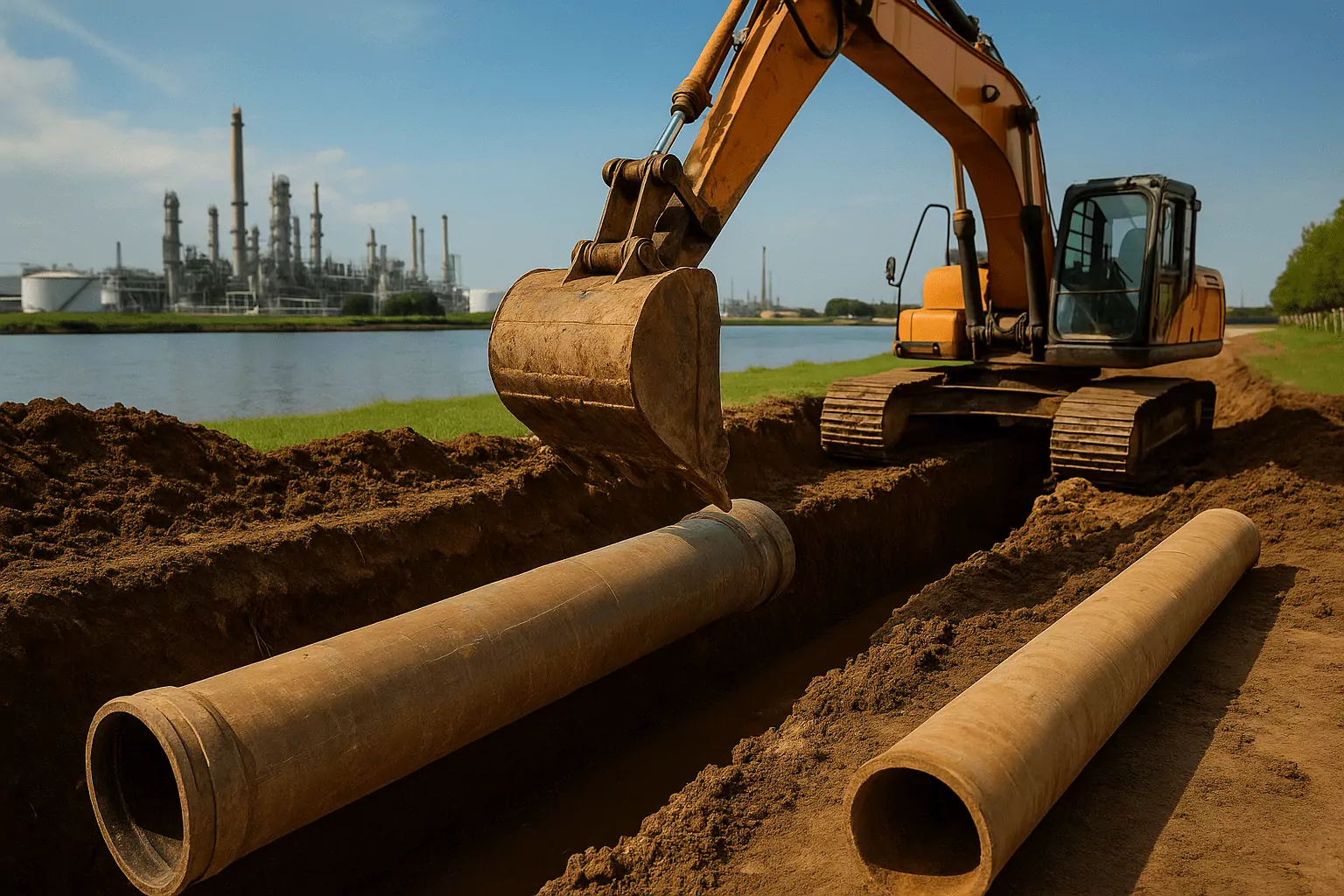
When you are facing a failing sewer lateral, every decision can impact both your timeline and your budget. Homeowners researching sewer line replacement Port Arthur often discover that costs vary widely because soil conditions, pipe materials, and access points all influence pricing. The good news is there are proven, local strategies that reduce disruption and stretch your dollars without cutting corners on safety or code compliance. From thorough diagnostics to smart material selections, practical choices can add up to meaningful savings. If you are just starting your research, begin with a plan that favors data-driven inspections, clear scopes of work, and competitive bids. For quick reference and a helpful starting point, review this guide and bookmark it for conversations with your contractor, city inspectors, and insurance. You can also explore options here: sewer line replacement Port Arthur to see how an informed approach leads to a streamlined, affordable result.
Diagnose before you dig: inspections that cut costs for sewer line replacement Port Arthur
The most cost-effective sewer projects in Port Arthur start with pinpoint diagnostics that prevent unnecessary excavation. A color HD camera inspection documents pipe condition, line grade, and obstruction types so you can compare spot repair versus full replacement. Smoke or dye testing helps track hidden cross-connections and intrusions that may not appear on video alone, especially in older Gulf Coast neighborhoods. Hydrostatic testing can confirm whether leaks are isolated or widespread, and whether groundwater infiltration is a major factor in your utility bills. Before any ground is broken, always call 811 for utility locates to avoid expensive and dangerous strikes on buried services. In Texas, you can schedule locates with Texas 811 so your crew knows exactly where to dig and where to avoid.
Consider a common example: a homeowner near Lake Arthur noticed repeated backups after heavy rains and assumed a full sewer replacement was inevitable. A camera revealed a single offset joint and two root intrusions in clay soil. Because the homeowner had clear video evidence and measurements, they sourced accurate apples-to-apples bids and saved on contingency costs. If you want to understand similar diagnostics for your property, ask your contractor about bundled inspection packages and compare with our drain and sewer services for additional planning ideas. For local permitting guidance, review the City of Port Arthur's resources at portarthurtx.gov so you know what inspections will be required.
Smart material choices for sewer line replacement Port Arthur
When you must open-cut certain segments, choosing the right materials protects your budget over decades rather than months. PVC SDR-26 or SDR-35 are common choices for gravity laterals because they are cost-effective, smooth-walled, and resistant to root intrusion when properly joined. In areas with corrosive soils or frequent ground movement, heat-fused HDPE can provide excellent long-term performance and fewer joint-related failures. Ensure your contractor matches pipe class and bedding specifications to Port Arthur's soil profile and utility standards to avoid settlement or shear at the tap. Because Gulf Coast soils can shift seasonally, insist on proper compaction, granular bedding, and gentle alignment changes that limit stress risers. A thoughtful material plan means you spend once and gain performance, rather than spending repeatedly on preventable callbacks.
Permits, financing, and project planning in Port Arthur: save money without cutting corners
Successful projects tie field efficiency to paperwork readiness, so permits and inspections should be planned as early as your diagnostic phase. Visit the City of Port Arthur website at portarthurtx.gov to confirm current requirements, fees, and inspection schedules for residential laterals. Align your start date with utility locates, permit approvals, and crew availability to prevent costly idle time between steps. Because Gulf Coast weather can change quickly, build a weather buffer into your calendar so rain does not push you into overtime or weekend premiums. Ask your contractor how they will stage materials, pump groundwater if needed, and protect driveways and lawns to reduce restoration expenses. With a tight schedule and well-defined scope, you will control variables that often inflate sewer budgets.
Budget planning should include both upfront and lifecycle costs to avoid false savings. Review financing options like HELOCs, personal loans, and contractor payment plans to spread costs without sacrificing material quality or warranties. Some utilities and municipalities occasionally promote conservation or I&I reduction initiatives, so ask whether rebate programs or low-interest options exist in your area. Keep insurance in mind if a sudden failure caused property damage, and document all defects and backups with photos and dated video. Confirm workmanship and material warranties in writing, including clear response times for warranty calls. When you are ready to compare proposals, reach out through our contact form and request a written scope that you can match side by side.
Smart planning does not end at installation, because long-term maintenance preserves the value of your investment. Get a post-install camera verification to confirm slope, joints, and tie-ins passed inspection, and keep a record for future real estate disclosures. Schedule periodic root control or hydro-jetting if you have nearby trees or legacy connections that could introduce debris over time. Ask your contractor for a maintenance plan and seasonal checkups, particularly in areas with shifting clay soils or traffic loads. For more project playbooks and local case studies, explore our blog to learn how Southeast Texas homeowners kept costs in check. If you need a broader service guide for planning beyond the sewer lateral, see our services to prepare for whole-home plumbing improvements across multiple phases.
A successful, budget-friendly sewer project in Port Arthur begins with facts, not guesswork, and continues with methods that match the site and soil. Start with thorough diagnostics, compare approaches honestly, and choose materials built for Gulf Coast conditions. Plan permits and inspections early, confirm utility locates, and protect your schedule from weather delays to avoid idle costs. Evaluate total project costs that include restoration and long-term maintenance, not just the initial bid number. When you combine these steps, you can navigate sewer line replacement Port Arthur with confidence and predictable outcomes. If you are weighing quotes right now, use this guide as your checklist for questions, scope clarity, and risk reduction.
Ready to discuss your options or schedule an inspection with a trusted local team based in Southeast Texas? Contact 409 Plumbing at 409-444-0066, proudly serving Orange, Beaumont, and Bridge City. Start a conversation through our contact page or explore services before you decide. For code guidance and permits, review portarthurtx.gov and schedule safe locates with Texas 811 before digging. We are here to help you plan a cost-effective project from diagnostics to final inspection so you can protect your home and your wallet.
Frequently Asked Questions About Sewer Line Replacement
How much does sewer line replacement cost in Port Arthur?
Costs vary based on depth, length, soil conditions, and access. In many Southeast Texas neighborhoods, straightforward spot repairs can be far cheaper than full replacements when diagnostics are precise. Permitting and inspection fees in Port Arthur are typically modest compared to excavation and restoration, but they should still be budgeted. The best way to narrow your range is to combine camera footage, a defect map, and at least two comparable bids. With clear information, you can evaluate total cost of ownership and avoid paying for work you do not need.
How long does a typical project take?
After diagnostics and permitting, open-cut replacements can take longer depending on depth, pavement removal, and the extent of restoration required afterward. Weather delays are a factor on the Gulf Coast, so build a buffer for heavy rain and groundwater management. You should also account for scheduling inspections, which can add a day depending on city availability. Ask your contractor to provide a written timeline that sequences locates, excavation, installation, testing, restoration, and final video. A clear schedule helps you minimize time away from work and avoid paying for idle crews.
How can I tell if I need a full replacement vs a spot repair?
Frequent backups, gurgling fixtures, and sewer odors are warning signs, but only a camera inspection can confirm whether damage is isolated or systemic. Homes with widespread cracks, repeated collapses, or significant bellies may require partial or full replacement to solve the root cause. Age and material matter too, as older clay or Orangeburg lines are more likely to warrant larger-scale solutions. Ask for a defect-by-defect report with measurements so you can match the repair method to the actual conditions. Pair the repair with preventive maintenance so your system remains efficient and code-compliant for years to come.

Registered Master Plumber Texas State Board of Plumbing Examiners
RMP #44702
Licensed and Bonded
Cities Serviced
409 Plumbing
Follow Us On
© 2026 409 Plumbing. All Rights Reserved.
Website Design and Hosting Provided by LocalBizBuzz,co