
24 Hour Service
Call 409-444-0066
Comprehensive Guide to Tankless Water Heater Error Code Troubleshooting in Beaumont
Quick solutions for homeowners in Beaumont facing tankless water heater error codes, ensuring hot water is always available.
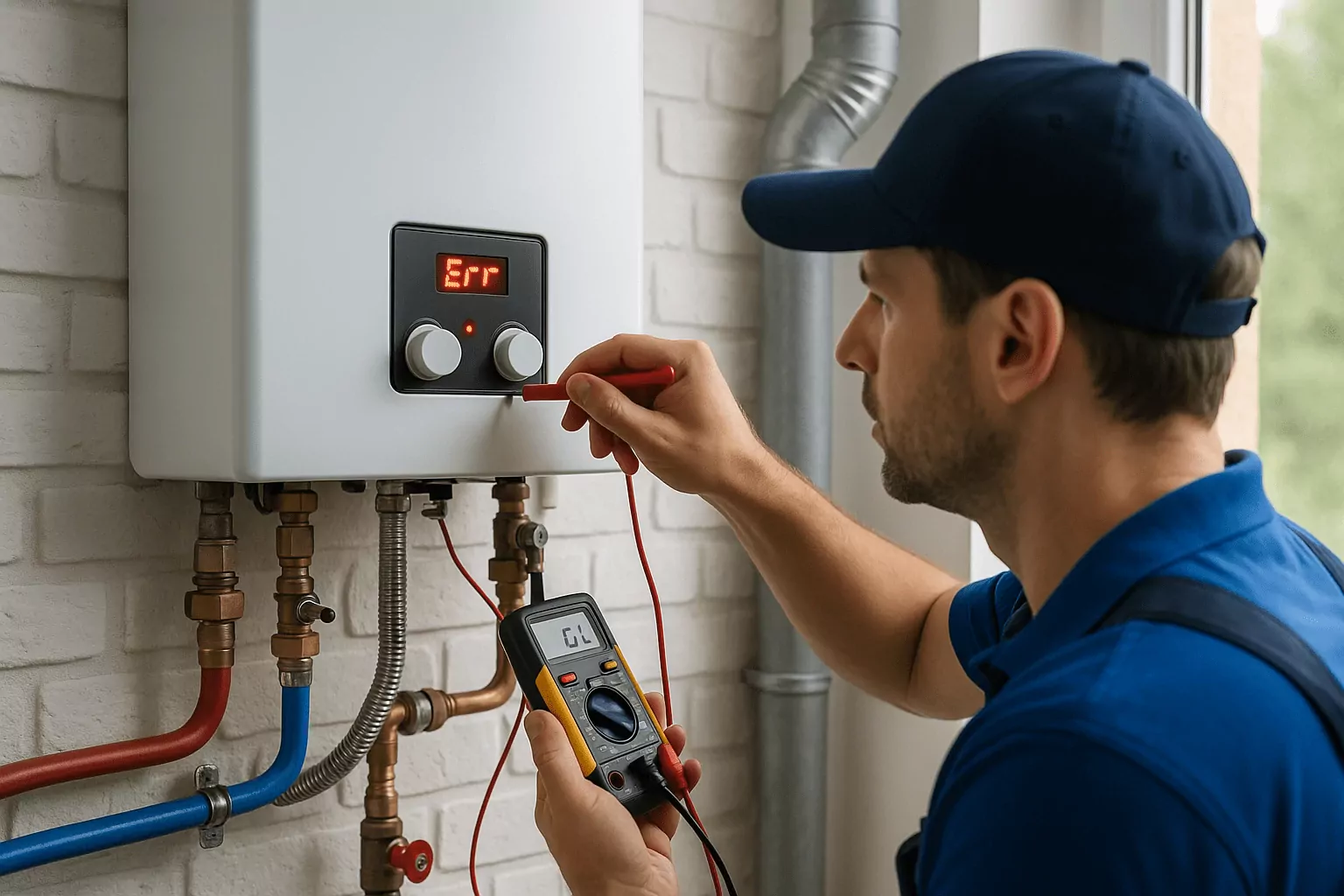
If you are searching for tankless water heater error code troubleshooting Beaumont homeowners can rely on, you are in the right place. Tankless systems are efficient, but when an error code flashes, it can abruptly interrupt your hot water and daily routine. From ignition failures to flow restrictions, each code points to a specific cause that you can often diagnose with a systematic approach. In Beaumont and neighboring areas like Orange and Bridge City, local water quality, seasonal humidity, and gas supply conditions can influence how and why these errors appear. This guide translates technical alerts into practical actions you can take today, along with clear indicators of when to call a licensed pro. Use this resource to restore comfort quickly and protect your system for the long term.
Decoding common alerts: tankless water heater error code troubleshooting Beaumont fundamentals
Before you dive into fixes, note the exact error code and model number displayed on your tankless unit. Manufacturers like Rinnai, Navien, and Noritz map codes to specific issues, such as ignition failure, flame loss, or temperature limits. Start with a safe reset by powering the unit off, waiting 30 seconds, and powering back on to clear temporary glitches. If the code returns, consult your brand's service manual or a trusted online resource to confirm the meaning and required steps. Keep your owner's guide handy, and photograph the code screen so you can share accurate details with a technician if needed.
For quick reference, several code families appear frequently across brands with comparable symptoms. Ignition or flame codes often relate to gas supply, venting, or dirty flame sensors, while overheat or outlet temperature codes may signal scale buildup or restricted flow. Intake or exhaust errors point to vent obstructions, wind effects, or condensate drainage problems in high-efficiency units. Flow-related codes frequently arise from clogged inlet screens, dirty aerators, or undersized piping on retrofit installations. By grouping the alert into its broader category, you can prioritize the most likely checkpoints and avoid guesswork.
Local context matters for accurate tankless water heater error code troubleshooting Beaumont households can trust. In the Beaumont area, mineral content in municipal and well water can accelerate scale formation, especially at higher set temperatures. Weather swings and Gulf winds may influence vent performance, while seasonal utility work can temporarily affect gas pressure. These factors can compound normal wear, making proactive maintenance essential. With that in mind, build a habit of noting error frequency, environmental conditions, and recent changes to capture helpful patterns.
Gas, venting, and combustion checks for tankless water heater error code troubleshooting Beaumont
Ignition and flame codes are among the most common alerts and often tie back to gas delivery or combustion air. Begin by verifying that the gas valve is open and that other gas appliances in your home are operating normally. If a recent cold snap or utility work occurred, inlet gas pressure may have dipped below specification for your unit's BTU rating. Visually inspect the area around the burner compartment for dust, spider webs, or debris that could affect flame sensing. If your model allows, gently clean the flame sensor with a soft, lint-free cloth to remove oxidation.
Venting issues can trigger codes that mimic combustion faults, so evaluate intake and exhaust runs next. For direct-vent systems, check that outdoor terminations are free of leaves, bird nests, or snow drift and that clearances are maintained. Long or complex vent runs can reduce performance if not sized or sloped correctly, especially on condensing units requiring proper condensate handling. Examine condensate traps and lines for kinks or blockages that could cause water to back up into the heat exchanger. If you notice corrosion, melted gaskets, or whistling noises, stop and contact a professional for further diagnosis.
Local case in point: a homeowner in Beaumont's West End reported intermittent ignition codes during windy days, ultimately traced to a partially blocked intake screen and a vent termination too close to shrubbery. After clearing the intake and trimming vegetation to meet manufacturer clearances, the error ceased. In Bridge City, a small restaurant experienced flame loss codes during peak hours, which testing tied to inadequate gas line sizing for multiple appliances. Replacing a segment with appropriately sized piping restored stable combustion. These examples illustrate why careful observation and adherence to installation specs are critical.
Water flow, scale, and temperature issues in tankless water heater error code troubleshooting Beaumont
Overtemperature and outlet temperature error codes frequently connect to flow restrictions or scale buildup. Start with the easiest checkpoints: clean the cold-water inlet filter screen, and remove and rinse faucet aerators and showerheads where hot water seems weak. If you recently lowered flow with ultra-low-flow fixtures, your unit may not meet its minimum activation flow at certain temperatures. In areas with moderate to hard water, scale can insulate the heat exchanger, causing overheating and erratic temperature control. Performing a descaling flush with a pump, hoses, and a citric acid or white vinegar solution often restores normal operation.
Water temperature settings and seasonal inlet water changes can also produce confusing symptoms. During winter, colder inlet water reduces unit output, prompting users to raise setpoints, which can increase scale formation. Conversely, in summer, higher inlet temperatures may cause mixed results if thermostatic valves or recirculation settings are not aligned. Verify your setpoint, typically between 120 F and 125 F for safety and efficiency, and confirm that any recirculation timers or comfort settings match your household schedule. If your system includes a mixing valve, ensure it is calibrated and not stuck partially closed.
A recent Orange, TX service call involved consistent high-limit codes and lukewarm water during peak evenings. Our technician found a clogged inlet filter and heavy scale in the heat exchanger due to skipped annual maintenance and a 140 F setpoint. After a thorough descaling and filter cleaning, the homeowner reset the temperature to 120 F and implemented a yearly maintenance plan. The error disappeared, and hot water delivery stabilized across multiple bathrooms. This illustrates how small preventive steps can solve both error codes and comfort complaints.
Electrical controls, sensors, and reset strategy for tankless water heater error code troubleshooting Beaumont
Electrical or control-related codes often point to temperature sensors, flow sensors, or control board communication errors. Start by safely cycling power at the unit's switch or breaker to clear transient faults and re-seat internal relays. Inspect visible wiring harnesses for loose connectors and ensure that service valves are fully open to avoid false low-flow signals. If your unit has a removable temperature sensor, check for secure seating and visible corrosion, but do not force components or open sealed compartments. Because electronics are sensitive, avoid moisture exposure and defer deeper testing to trained professionals.
Power quality can also influence electronic stability, especially in older homes or during storm season along the Gulf Coast. If lights flicker or breakers trip frequently, an electrician may need to evaluate circuits, grounding, and surge protection. Some homeowners add a surge protector rated for HVAC or appliance use to protect sensitive boards in tankless systems. Keep in mind that frequent resets without addressing the root cause can mask worsening issues and risk permanent component damage. When in doubt, document the code, capture a photo, and share it with a licensed technician for the next diagnostic step.
With a clear process, tankless water heater error code troubleshooting Beaumont homeowners can perform becomes far less stressful. Group the issue, confirm the code's meaning, and work through safe, high-impact checks around combustion, venting, flow, and electronics. Keep maintenance front and center, especially descaling and filter cleaning, to prevent recurring alerts. Use credible references and document what you find to streamline professional service when needed. If you are ready for expert help, 409 Plumbing is your local partner across Orange, Beaumont, and Bridge City.
Call 409 Plumbing at 409-444-0066 for fast, reliable service. For immediate assistance or to schedule maintenance, reach out through our contact form and get your hot water back on track today. We provide same-day diagnostics on many calls and offer tailored maintenance plans to keep your system efficient year-round. Your comfort and safety are our priorities, and we stand behind every repair with transparent pricing and local expertise. Trust 409 Plumbing to keep your tankless system running at peak performance.
Frequently Asked Questions About Tankless Water Heater Error Codes
What is the safest first step for tankless water heater error code troubleshooting Beaumont homeowners can take?
Safety comes first, so start by turning off power at the switch or breaker and closing the gas valve if you smell gas. Once safe, note the exact error code and your unit's brand and model before performing a basic reset. Clear visible obstructions around intake and exhaust terminations, and check for water leaks at service valves. Avoid opening sealed panels or adjusting gas components, as improper handling can be hazardous and may void warranties. If the code persists after a safe reset and simple checks, contact a licensed technician for professional diagnosis.
How often should I descale my unit for effective tankless water heater error code troubleshooting Beaumont residents need?
In the Beaumont, Orange, and Bridge City region, an annual descaling is a solid baseline, with twice-per-year maintenance recommended for harder water or higher use. If your setpoint is above 125 F, consider more frequent service to prevent mineral accumulation in the heat exchanger. Symptoms like fluctuating temperatures, reduced flow, or recurring high-limit errors may indicate that scale is already affecting performance. Incorporating a water test and, if appropriate, a softener or scale-reduction device can significantly extend service intervals. Regular maintenance not only reduces error codes but also improves efficiency and lifespan.
Which error codes mean I should call a professional immediately for tankless water heater error code troubleshooting Beaumont?
Any code suggesting gas supply, combustion, or venting problems warrants prompt professional attention, especially if you smell gas or see scorch marks. Repeated ignition failure, flame loss, or exhaust blockage codes indicate risks that extend beyond comfort and can impact safety. Electrical control or board errors should also be escalated, particularly if frequent resets are needed for temporary operation. If your unit is leaking, overheating repeatedly, or shutting down under normal demand, schedule service to prevent damage. When in doubt, err on the side of caution and call a licensed technician.
Can I keep using hot water if I clear the code once during tankless water heater error code troubleshooting Beaumont?
If a single reset clears the code and normal operation returns, you may continue cautiously while monitoring for recurrence. However, repeated codes are a sign of an underlying issue that will likely return and may worsen over time. Document when the error appears and what you were doing, such as running multiple fixtures or appliances simultaneously. This information helps isolate patterns like insufficient flow, low gas pressure, or venting challenges during specific conditions. Schedule service if the same alert returns or if you notice new noises, odors, or performance changes.
Where can I find reliable resources to support tankless water heater error code troubleshooting Beaumont?
Your owner's manual and the manufacturer's support pages are the most authoritative sources for model-specific codes and steps. You can also review the U.S. Department of Energy's guidance on tankless water heaters to understand performance basics and maintenance needs. For example, see brand resources such as Rinnai, Navien, or Noritz to verify precise code meanings and service intervals. Using credible references helps avoid misinformation and keeps your troubleshooting aligned with warranty requirements. When you need hands-on help, contact a trusted local pro who knows Beaumont-area water conditions and code requirements.
Registered Master Plumber Texas State Board of Plumbing Examiners
RMP #44702
Licensed and Bonded
Cities Serviced
409 Plumbing
Follow Us On
© 2026 409 Plumbing. All Rights Reserved.
Website Design and Hosting Provided by LocalBizBuzz,co