
24 Hour Service
Call 409-444-0066
Common Water Heater Problems and How to Fix Them in Bridge City TX
Identify and resolve frequent water heater issues in Bridge City, TX, to ensure hot water when you need it.
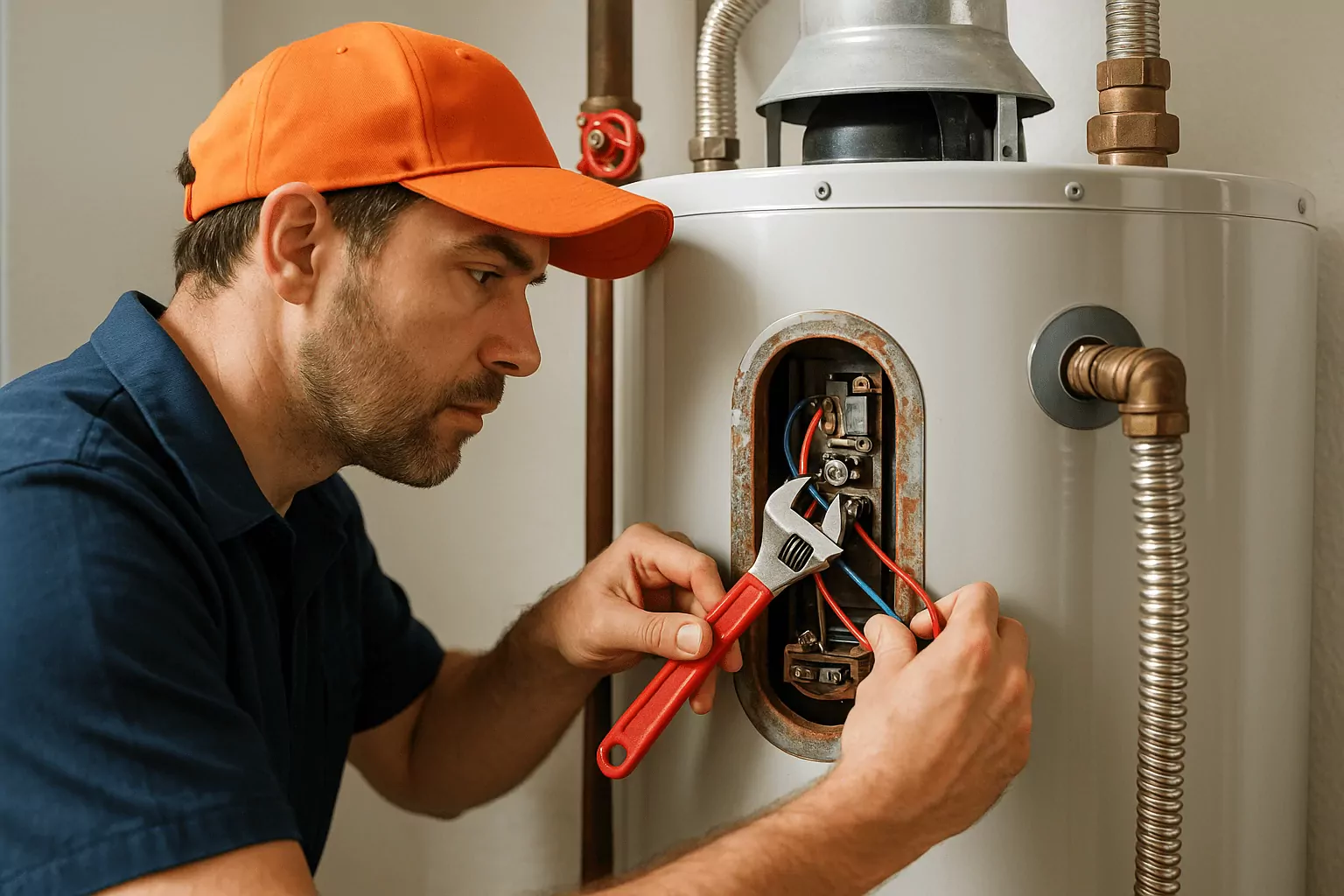
If you are experiencing lukewarm showers, leaks, or strange noises, you are not alone-these are among the most common issues driving calls for water heater repair Bridge City TX. Homeowners in Bridge City, Orange, and Beaumont often face hard-water sediment, humid Gulf Coast conditions, and heavy seasonal demand that can stress both tank and tankless units. In this guide, you will learn how to diagnose typical problems, what you can safely fix yourself, and when to call a licensed professional. We will also share real examples from the field to help you compare symptoms and outcomes for faster troubleshooting. For quick navigation and local support, bookmark this resource and reach out to our team when you need on-site expertise. To get immediate help or schedule service, see our internal resources and consider tapping our local pros for water heater repair Bridge City TX today.
No hot water or inconsistent temperature: quick checks for water heater repair Bridge City TX
No hot water is the top complaint we receive at 409 Plumbing, and it usually comes down to power, fuel, or internal controls. For electric units, start by confirming the breaker is not tripped and the water heater's dedicated switch is on, then test the upper and lower heating elements. For gas units, verify the gas supply valve is open and check the pilot light or electronic igniter for proper operation. A faulty thermostat or high-limit reset may also be to blame, especially if you notice sudden temperature swings. In Bridge City homes with older tanks, sediment buildup around elements or the burner can insulate heat transfer and cause lukewarm water, making a full flush essential.
We often see this scenario: a Bridge City family notices showers turning cold halfway through the morning, and a quick inspection shows the lower element failed. After testing with a multimeter and confirming continuity loss, we replaced the element and thermostat pair to restore balanced heating. On a gas model off Roundbunch Road, the pilot repeatedly went out due to a weak thermocouple that could not hold the gas valve open; replacing the thermocouple solved the no-hot-water complaint. If you are relighting a pilot, always follow the manufacturer's instructions and ventilate the area before attempting ignition. Consistent temperature issues may also point to a mixing valve problem, which can be adjusted or replaced to stabilize delivery temperatures.
Before calling a pro, run through these quick checks to save time:
Leaks, pressure problems, and rust: safety-first steps for water heater repair Bridge City TX
Any visible leak deserves quick action because water and high heat are a risky mix. Start by identifying the source: fittings above the tank, the temperature and pressure relief (TPR) valve, the drain valve, or the tank itself. If the TPR valve weeps during heating cycles, you may have excess pressure or a failing valve, and installing an expansion tank can stabilize pressure in closed-loop systems. Rusty water or corrosion at connections often signals a failing anode rod or galvanic reaction, and timely anode replacement can add years to the tank's life. In one Orange, TX case, a persistent drip traced to a cracked plastic drain valve; swapping to a brass valve and adding thread sealant ended the leak immediately.
Homeowners in Beaumont and Bridge City sometimes see moisture under the tank in summer, which can be condensation rather than a true leak. To differentiate, wipe surfaces dry and monitor with a paper towel for active drips during a heating cycle. If the tank itself is seeping from a seam, it is usually time to replace rather than repair, as internal lining failures cannot be reversed. Always test the TPR valve annually to ensure it opens and reseats, and never cap or plug this safety device. For a safety review and code-compliant corrections, consult a licensed plumber who understands Southeast Texas plumbing codes and local water conditions.
We recommend these best practices to reduce leaks and pressure problems:
Rumbling, smelly water, or discoloration: diagnosing tank and tankless symptoms
A rumbling or popping sound usually indicates heavy sediment on the tank floor, which traps steam and causes percolation noises. Flushing the tank and briefly pulsing the cold-water inlet can lift and remove scale, restoring quiet operation and heating efficiency. In a recent Bridge City job near Texas Avenue, a 50-gallon gas unit was taking too long to reheat and making loud pops; a full flush plus a new anode rod reduced recovery time and quieted the tank. For tankless systems, scale can clog heat exchangers and cause error codes; annual descaling is recommended in areas with moderate to hard water. Proactive maintenance not only solves noises but also reduces utility costs by improving heat transfer.
Smelly hot water, especially a sulfur or rotten-egg odor, often stems from bacteria interacting with magnesium anode rods. Switching to an aluminum-zinc anode or powered anode can mitigate odors while preserving corrosion protection. If you notice discoloration like brown or rusty water, confirm if it is only on the hot side, which points to tank or anode issues. In one Beaumont residence, persistent odor vanished after chlorinating the tank, flushing thoroughly, and installing an aluminum-zinc anode. Be mindful to follow safe sanitizing procedures and avoid mixing chemicals, and always rinse the tank thoroughly before returning to service.
Here are targeted remedies for these nuisance symptoms:
Repair vs. replace: making the right call for water heater repair Bridge City TX
Deciding whether to repair or replace depends on age, efficiency, safety, and the cost of parts relative to a new unit. As a rule of thumb, if a tank is over 10-12 years old and needs a major component like a gas valve or tank weld, replacement tends to be the smarter investment. For mid-life units with healthy tanks, replacing thermostats, elements, igniters, or anodes can restore reliable service at a much lower cost. Rising energy bills, longer recovery times, and frequent resets are signals that internal wear is catching up to your water heater. In Bridge City, we often compare the installed cost of a high-efficiency replacement against ongoing repair spend to calculate a two to four year payback.
Upgrading to a properly sized, high-efficiency tank or tankless system can improve comfort and lower monthly bills. Families with back-to-back showers and laundry needs may prefer a 50- to 75-gallon high-recovery tank or a correctly sized tankless unit with recirculation. In a recent Orange, TX retrofit, a three-bath home moved to a condensing tankless unit and gained endless hot water while cutting gas use by an estimated 20 percent. However, tankless systems require annual maintenance and water quality management to reach their full lifespan. Your plumber should assess usage patterns, fixture flow rates, gas line capacity, and vent path before recommending a replacement.
To help with your decision, consider the following:
From no hot water and odd odors to pressure problems and leaks, most water heater issues can be traced to a handful of causes, and knowing the right sequence of checks saves time and money. With careful attention to power, gas, thermostat settings, TPR function, and sediment control, you can address many symptoms quickly and safely. When you need expert help, 409 Plumbing is ready to serve Bridge City, Orange, and Beaumont with licensed, code-compliant solutions that restore reliable hot water. For professional diagnosis, installation, or maintenance, explore our water heater repair service and schedule through Contact 409 Plumbing. Call 409 Plumbing at 409-444-0066 to get priority service and peace of mind.
Resources About Common Water Heater Problems
Frequently Asked Questions About Common Water Heater Problems
How do I safely relight a gas water heater pilot in my Bridge City home?
First, read the lighting instructions on your water heater's label and confirm the area is well ventilated. Turn the gas control knob to the pilot setting and press it down while using the igniter or a long lighter as directed, keeping your face and hands clear of the access opening. Continue holding the knob for 30-60 seconds after ignition so the thermocouple warms and signals the gas valve to stay open. If the flame will not hold, the thermocouple or flame sensor may be faulty and should be replaced by a professional. If you ever smell gas, stop immediately, shut off the supply, and call a licensed plumber for service.
How often should I flush my water heater in Southeast Texas?
In our coastal-humidity and moderate-hardness region, a tank-style water heater benefits from a partial flush every 6 months and a thorough flush annually. Homes with high sediment or frequent construction water disruptions may need more frequent maintenance. For tankless models, plan on annual descaling and cleaning of inlet screens to maintain efficiency and avoid error codes. Regular flushing prevents rumbling, stabilizes temperatures, and extends the life of heating elements and burners. Ask your plumber to show you a safe flushing procedure so you can perform interim maintenance between professional visits.
Why is my TPR valve dripping, and is it dangerous?
A temperature and pressure relief (TPR) valve protects your tank from unsafe conditions by releasing water when pressure or temperature exceed limits. Occasional brief discharge after a heating cycle can be normal, but steady dripping suggests excessive pressure, thermal expansion, or a failing valve. In closed-loop systems, adding an expansion tank helps absorb pressure spikes and can stop nuisance discharge. If the valve is old, corroded, or does not reseat, replace it immediately and never cap the outlet. Persistent TPR activity warrants a full safety inspection to verify thermostat accuracy, water pressure, and correct installation.
What is the typical cost and timeline for water heater repair Bridge City TX?
Costs vary based on the issue, brand, and parts, but many common repairs such as elements, thermostats, thermocouples, or anodes fall into a moderate range when compared to a full replacement. Diagnostics typically take 30-60 minutes, and many fixes can be completed the same day if parts are on the truck. More complex issues like gas valve replacements or severe scale removal may extend the timeline to a few hours. Our team provides clear, upfront estimates and options to repair or replace based on your unit's age and condition. In most Bridge City, Orange, and Beaumont homes, we aim to restore hot water the same day you call.

Registered Master Plumber Texas State Board of Plumbing Examiners
RMP #44702
Licensed and Bonded
Cities Serviced
409 Plumbing
Follow Us On
© 2026 409 Plumbing. All Rights Reserved.
Website Design and Hosting Provided by LocalBizBuzz,co