
24 Hour Service
Call 409-444-0066
Common Water Heater Problems and How to Fix Them in Bridge City
Get practical solutions for common water heater issues to keep your home comfortable and your repairs affordable in Bridge City.
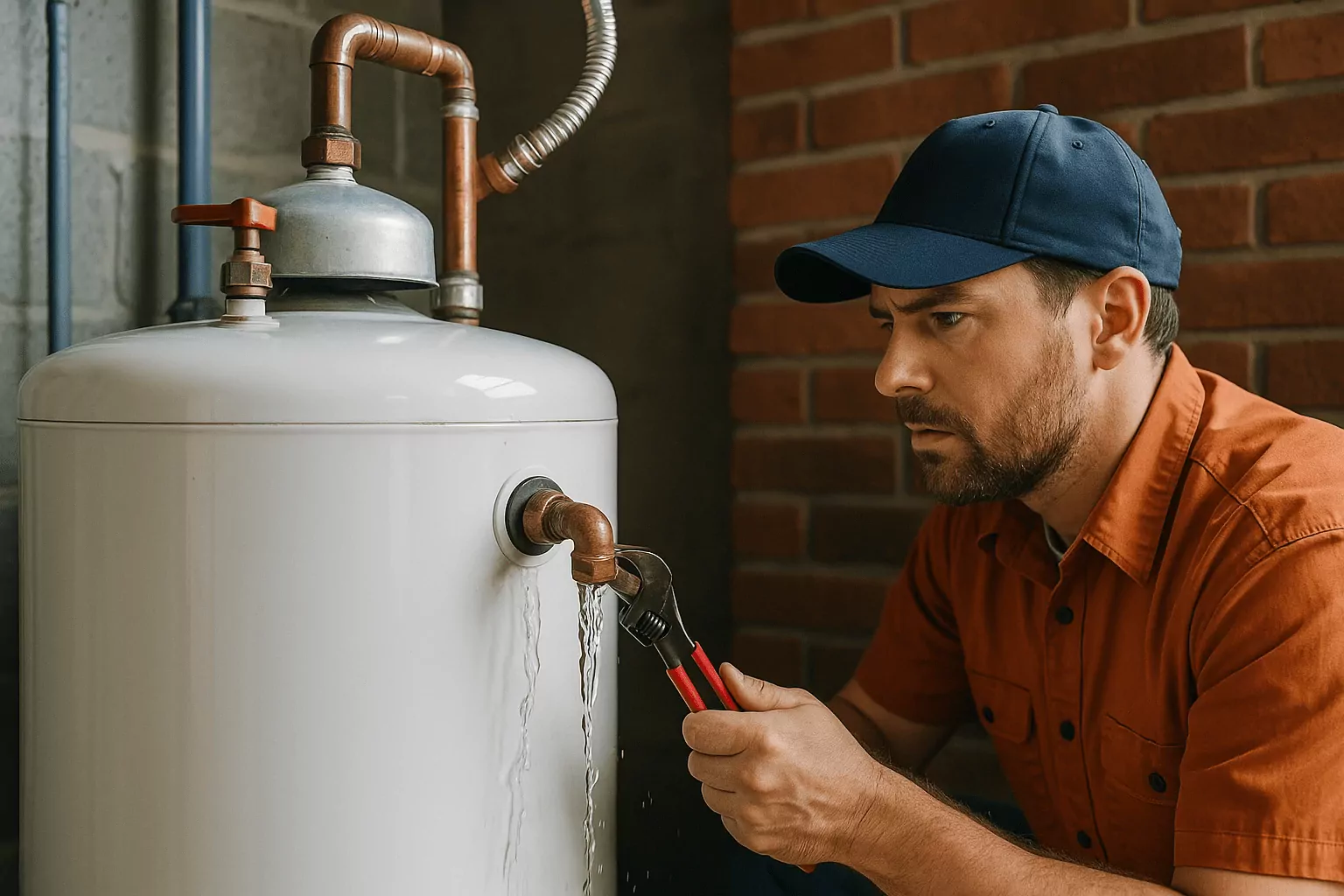
If you are searching for water heater repair Bridge City, you are likely dealing with lukewarm showers, rising energy bills, or a tank that will not stop rumbling. The good news is that many hot water issues share familiar root causes that can be diagnosed quickly with a safe, methodical approach. In Bridge City, coastal humidity, occasional storms, and hard-water sediment can all shorten a heater's lifespan if maintenance slips. This guide explains the most common failures, the fixes you can reasonably try, and when to call a licensed pro for code-compliant repairs. You will see real examples from local homes, pro tips to avoid repeat breakdowns, and links to authoritative resources for deeper reading. By the end, you will know how to restore reliable hot water and stretch the life of your system.
No Hot Water or Inconsistent Temperatures: Fast water heater repair Bridge City diagnostics
When there is no hot water at all, start by verifying power or gas supply before assuming the heater is dead. For electric units, check the dedicated breaker, then press the reset button on the upper thermostat after power is off and covers are removed safely. If the upper heating element fails, you typically get no hot water, while a lower-element failure often gives short bursts followed by cold. For gas units, confirm the gas valve is on and the pilot is lit per the manufacturer's instructions; if you smell gas, evacuate and call your utility immediately. A mis-set thermostat is another easy fix; most homes are comfortable and safe at 120 F, which also helps curb scald risk per national guidance.
Bridge City homeowners often face outages after storms that trip breakers or extinguish pilots, so a quick reset may restore service. If temperatures swing wildly, suspect a failing thermostat or sediment insulating the lower element, preventing stable heating. In one Bridge City bungalow near West Roundbunch Road, an intermittent-no-hot-water complaint traced to a loose wiring connection on the upper thermostat, fixed in under an hour. Always turn off power or gas and water before removing access panels, and use a non-contact voltage tester for safety. For broader background on water-heating basics and efficiency settings, see the U.S. Department of Energy's resource at energy.gov.
Low Hot Water Pressure and Slow Recovery Tips for water heater repair Bridge City
Low hot water pressure commonly points to sediment buildup in the tank or partially clogged fixtures and valves. In our region, minerals settle to the bottom, reducing capacity and slowing recovery, especially after laundry or back-to-back showers. Flushing the tank annually helps: shut off power or gas, attach a hose to the drain valve, open a hot faucet to vent, and drain until water runs clear. A cracked or degraded dip tube can also mix cold with hot at the outlet, causing lukewarm water despite a hot tank. In one Bridge City case, a simple dip tube replacement restored strong, consistent hot-water flow without replacing the tank.
Before you assume a major repair, test multiple fixtures; if only one faucet is weak, the aerator or supply line may be restricted. If the entire home's hot side is weak, look at the water heater's shutoff valve and the dielectric unions for scale buildup. After a full flush, consider installing a sediment filter or scheduling a professional descaling in higher-hardness pockets around Orange County. If performance still lags, have a licensed technician evaluate element wattage, gas input rate, or upsizing options to match your household's first-hour demand.
Leaks, Noises, and Safety Controls: Preventative water heater repair Bridge City
Not all leaks mean a tank is finished; many originate at the drain valve, cold inlet, hot outlet, or the temperature and pressure relief (T&P) valve. A weeping T&P can indicate excessive pressure, temperature above setpoint, or a failing valve that must be replaced for safety. If your home lacks an expansion tank and you have a closed plumbing system, thermal expansion can drive nuisance leaks; adding an expansion tank stabilizes pressure. Rumbling or popping noises often signal heavy sediment boiling at the bottom of the tank, which accelerates wear and raises bills. Routine flushing and installing a proper expansion setup are preventive steps that can add years to a tank's life.
Safety devices deserve regular attention because they protect against rare but severe hazards. Test the T&P valve carefully according to the manufacturer, and replace it if it does not reseat or drips continuously after testing. Keep the area around the heater clear, ensure proper combustion air for gas units, and install a drip pan with a routed drain where codes require. The U.S. Consumer Product Safety Commission offers general home safety guidance relevant to scalding prevention and appliance safety at cpsc.gov. If you notice scorching, melted insulation, or frequent burner shutdowns, call a professional immediately for a complete diagnostic and code check.
Repair vs Replace: Smart water heater repair Bridge City decisions
Age, efficiency, and repair history guide the repair-or-replace decision. Conventional tanks often last 8-12 years in our climate, shorter without maintenance or in higher-sediment water. If your tank is within that window but has multiple failures (elements, thermostats, valves) in a single year, upgrading can be more economical. Newer high-efficiency tanks and ENERGY STAR certified heat pump water heaters can cut energy use significantly for electric homes. Review options and savings data at energystar.gov to align your budget with long-term operating costs.
Tankless systems fit homes with long piping runs or uneven hot-water demand, delivering continuous hot water when sized and installed correctly. On the other hand, a right-sized tank with proper recovery can be the best value for steady households and simpler maintenance. Consider first-hour rating, recovery rate, venting constraints, and gas or electric service capacity during a replacement evaluation. In a recent Bridge City upgrade, a family who ran out during morning rush switched to a properly sized 50-gallon, high-recovery tank and eliminated cold-shower bottlenecks. When you are unsure, request a load assessment and written options so you can weigh repair costs versus long-term savings from a modern unit.
Addressing common issues early keeps your hot water dependable, energy bills in check, and your system safe year-round. Simple steps like verifying breakers and pilots, flushing sediment, and testing safety valves fix many problems before they escalate. When you need expert help, 409 Plumbing brings local knowledge to Orange, Beaumont, and Bridge City with fast diagnostics and code-compliant repairs. Explore our water heater repair services, learn more on our blog, or request service via our contact form. For a quick overview of the topic, you can also review trusted guidance from energy.gov while you plan next steps.
Ready to restore steady, efficient hot water today? Call 409 Plumbing at 409-444-0066, serving Orange, Beaumont, and Bridge City. For a quick primer, see water heater repair Bridge City to get started with local insights and scheduling options. If you are replacing, ask about right-sizing and energy-efficient models to cut operating costs for years to come.
Frequently Asked Questions About Common Water Heater Problems
How often should I flush my water heater in Bridge City?
Most manufacturers and energy experts recommend flushing a tank at least once a year, and twice yearly if you notice heavy sediment. Bridge City's mineral content and seasonal usage swings can accelerate buildup, so stay on the proactive side. A proper flush removes insulating sediment that causes rumbling and slow recovery, and it also helps extend element life. Always shut off power or gas, attach a hose to the drain valve, and vent a hot faucet before draining. If the drain valve is clogged, do not force it; call a professional who can safely clear and service the tank without damage.
Is it safe to relight a gas water heater pilot myself?
It can be safe if you follow the manufacturer's printed instructions exactly, ensure good ventilation, and you do not smell gas. If you detect any gas odor, evacuate and contact your utility or fire department before attempting anything. Use a flashlight to read the lighting sequence on the heater's label and never reach into confined burner compartments blindly. If the pilot will not stay lit, the thermocouple or gas control may be failing and should be inspected by a licensed pro. For repeated pilot outages after storms, have a technician check draft, combustion air, and venting for safe, reliable operation.
Why does my hot water smell like rotten eggs?
That sulfur smell often comes from a reaction between anaerobic bacteria in the tank and a magnesium anode rod, producing hydrogen sulfide gas. A professional can sanitize the tank, flush thoroughly, and replace the anode with an aluminum-zinc alloy rod that is less reactive. Raising the thermostat to 140 F briefly during sanitization (and then returning to 120 F) may also help reduce odor-causing bacteria. If your cold water does not smell but hot water does, the heater is the likely source rather than the municipal supply. Persistent odors warrant a service call to evaluate the anode, sediment level, and whether a powered anode or point-of-use filtration makes sense.
How do I know if I need a bigger water heater or tankless?
Start by tallying your peak simultaneous hot-water uses, such as two showers plus laundry, and compare that demand to your heater's first-hour rating. If you regularly run out during predictable peaks, a larger tank or higher recovery rate may solve it. Homes with intermittent, varied usage patterns sometimes benefit from tankless, which offers continuous hot water when sized correctly. Consider fixture flow rates, temperature rise from winter inlet conditions, and available gas or electrical capacity when choosing. A professional load assessment will translate your household habits into the right size and technology so you get comfort without overspending.

Registered Master Plumber Texas State Board of Plumbing Examiners
RMP #44702
Licensed and Bonded
Cities Serviced
409 Plumbing
Follow Us On
© 2026 409 Plumbing. All Rights Reserved.
Website Design and Hosting Provided by LocalBizBuzz,co