
24 Hour Service
Call 409-444-0066
Common Water Heater Issues and Repair Solutions
in Orange
Identify frequent water heater problems in Orange and discover practical repair solutions to keep your hot water flowing.
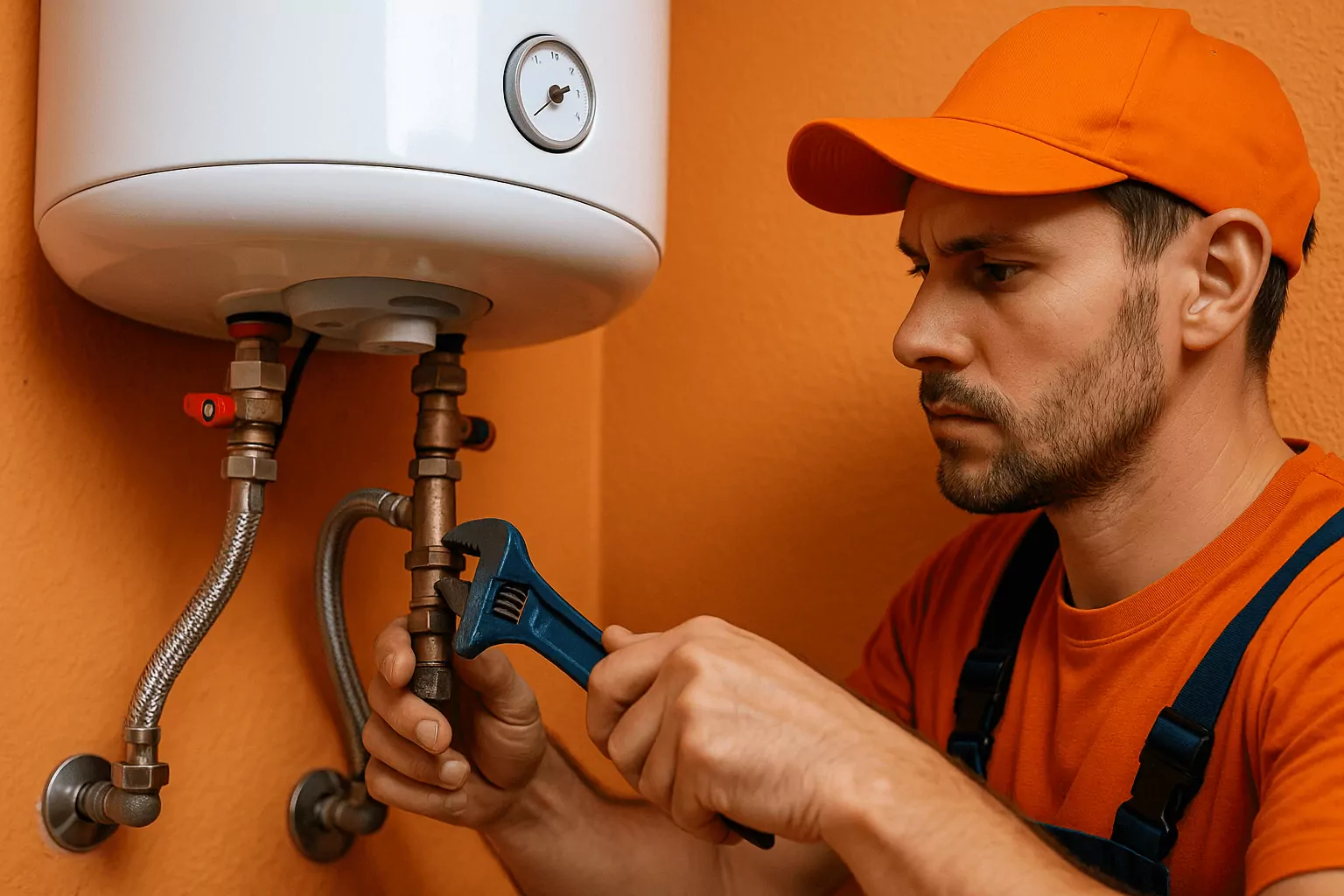
Your water heater quietly works every day until an unexpected cold shower or a puddle on the floor demands urgent attention. If you are searching for fast and reliable water heater repair Orange, you are in the right place. In this guide, we explain the most common problems local homeowners face, how to troubleshoot safely, and when to call a licensed plumber. Our tips are tailored for Orange, TX households, including nearby Beaumont and Bridge City, where humidity, water quality, and seasonal shifts can affect performance. You will learn what causes no hot water, leaks, odors, strange noises, and rising energy bills, plus the smartest repair and maintenance strategies. With the right steps and timely professional help, you can extend your heater's life, improve efficiency, and restore dependable hot water.
No Hot Water or Inconsistent Temperatures: water heater repair Orange diagnostics
When there is no hot water, start by confirming the power source and safety controls before assuming a major failure. For electric units, check the dedicated breaker, then verify both upper and lower heating elements and thermostats are working and properly set. For gas models, confirm the gas valve is on, the pilot light is lit, and the thermocouple or flame sensor is clean and aligned. In some cases, a tripped high-limit reset button or a faulty mixing valve can mimic a no-hot-water issue. We regularly see this sequence in Orange homes, where a quick reset or thermostat recalibration restores hot water without major parts replacement.
Temperature swings often point to sediment layering over the lower element or heat exchanger, a failing thermostat, or incorrect sizing relative to household demand. If someone recently increased shower time or added a new appliance, your current tank may be undersized for simultaneous use. In older units, mineral buildup from hard water insulates heat transfer, forcing longer cycles and lukewarm results. A licensed technician can test components, flush sediment, and balance temperature settings to stabilize output. If the unit is nearing the end of its useful life, your plumber can guide you toward a right-sized replacement or a repair that buys more years with improved reliability.
Leaks, Rusty Water, and Odors: protecting your tank and home
Water on or around the heater often comes from fittings, valves, or the temperature and pressure relief (T&P) valve doing its job under excess pressure. Small drips at the cold and hot connections or a corroded drain valve are common and often repairable with new washers or fittings. If water seeps from the tank body itself, internal corrosion has likely breached the liner, and replacement is the safest long-term solution. Discolored or rusty hot water typically signals corrosion, often due to a depleted anode rod that no longer protects the tank. Replacing the anode rod before the tank liner fails is a cost-effective preventive step supported by guidance from sources like the U.S. Department of Energy.
Hot water with a rotten egg or sulfur smell usually stems from a reaction between minerals, harmless bacteria, and certain anode metals. Swapping to an aluminum-zinc anode or performing a controlled sanitizing treatment often solves the odor without replacing the heater. In Beaumont and Bridge City, we also see this appear after long vacations when stagnant water sits in the tank, so a thorough flush and brief higher-temperature cycle can clear it. A professional inspection will pinpoint whether the T&P valve is relieving excess pressure, the expansion tank has failed, or the anode rod needs attention. For more on water heater fundamentals and maintenance, review the Department of Energy's water heating guidance at energy.gov.
Popping Noises and Rising Bills: sediment, efficiency, and smart maintenance
Loud popping, rumbling, or kettling sounds point to sediment trapping steam bubbles at the bottom of the tank or within a heat exchanger. This forces longer heating cycles, raises utility costs, and accelerates wear on elements and burners. An annual flush helps remove sediment, while installing a whole-home or point-of-entry filter can reduce incoming particulates. For tankless systems, periodic descaling is essential to maintain flow rates and stable temperatures, especially in areas with mineral-heavy water. These routine steps protect efficiency and can add years to your system's lifespan while keeping energy bills predictable.
Preventive maintenance also includes testing the T&P valve, inspecting the burner flame quality on gas units, and tightening or replacing worn gaskets. In Orange, seasonal humidity and attic installations can affect combustion air and venting, so a quick check of clearances and vent seals is wise. Homeowners who follow a maintenance checklist tend to avoid surprise breakdowns and get more consistent hot water year-round. If your unit is older, consider an energy-efficient upgrade; ENERGY STAR provides helpful comparisons at energystar.gov.
Repair vs. Replacement: when water heater repair in Orange makes sense
Deciding between repair and replacement comes down to age, condition, efficiency, and safety. As a rule of thumb, if repair costs exceed 50 percent of the price of a new heater, replacement is usually the smarter investment. Units beyond 8-12 years, with frequent repairs or tank corrosion, are prime candidates for upgrade. Newer heaters offer faster recovery times, better insulation, and smarter controls that reduce operating costs. Our team evaluates your household size, peak demand, installation space, and venting to recommend a solution that fits your home and budget.
In Bridge City and Beaumont, we often replace aging 40-gallon tanks with right-sized 50-gallon or hybrid solutions to match growing families and large soaking tubs. For busy homes that run multiple showers plus a dishwasher, a high-recovery tank or a properly sized tankless system prevents temperature dips. Rebates and utility incentives may be available for high-efficiency models, which shortens payback time. If you prefer to repair and extend the life of your current unit, we stock common parts and offer same-day service for many calls. Explore options on our water heater services page or call for a tailored recommendation.
Staying ahead of common water heater issues prevents surprise cold showers, water damage, and higher utility bills. With the right diagnostics, routine maintenance, and timely help, you can keep your system running efficiently for years. Whether you need fast repairs, honest advice on replacement, or an annual tune-up, 409 Plumbing is ready to help in Orange, Beaumont, and Bridge City. Visit our water heater services or contact page to schedule today, or call 409-444-0066 for prompt assistance. Our team provides same-day solutions for many repairs. For dependable service and clear pricing, choose 409 Plumbing for expert water heater repair in the Orange area.
Frequently Asked Questions About Common Water Heater Repair Solutions
How long should a water heater last in Orange, TX?
Most standard tank water heaters last 8-12 years, but lifespan depends on maintenance, water quality, and usage patterns. In areas with higher mineral content, sediment accelerates wear unless you flush annually and maintain the anode rod. Tankless heaters can run 15-20 years when descaled regularly and installed with proper filtration. Environmental factors like humidity and attic heat can also affect components and venting over time. A yearly inspection helps spot early issues and extend service life.
Why does my hot water smell like rotten eggs?
This odor typically results from a chemical reaction between minerals, harmless bacteria, and the magnesium in the anode rod. The solution often includes replacing the anode with an aluminum-zinc version and performing a controlled sanitizing flush. If the smell appears after a long absence, running the system at a higher temperature briefly can help, followed by a complete flush. Sometimes, installing a whole-house filter or softener reduces the underlying mineral load. A licensed plumber can confirm the exact cause and apply the safest fix.
Can I repair a leaking water heater myself?
Minor leaks at fittings can sometimes be tightened or resealed, but safety is the top concern with any pressurized, gas- or electric-powered appliance. Always disconnect power or gas and shut off water before attempting anything, and never cap a T&P discharge line. If the tank itself is leaking, replacement is the only safe, lasting solution. DIY attempts on gas controls, venting, or electrical components can create fire or shock hazards. For peace of mind and warranties that protect your home, schedule a professional repair visit.
How often should I flush my water heater?
Most homes should flush tank-style heaters once a year to remove sediment before it hardens and insulates the bottom of the tank. If you notice popping sounds, cloudy water, or slower recovery, consider flushing twice a year. Tankless systems need descaling on a schedule based on local water hardness and usage, often every 6-18 months. Installing a sediment filter and maintaining the anode rod help reduce buildup and extend intervals. A technician can tailor a maintenance plan to your household and local water conditions.

Registered Master Plumber Texas State Board of Plumbing Examiners
RMP #44702
Licensed and Bonded
Cities Serviced
409 Plumbing
Follow Us On
© 2026 409 Plumbing. All Rights Reserved.
Website Design and Hosting Provided by LocalBizBuzz,co