
24 Hour Service
Call 409-444-0066
Common Shower Plumbing Repair Issues in
Port Arthur TX and How to Fix Them
Solve your shower plumbing problems in Port Arthur TX with practical fixes and expert tips for homeowners.
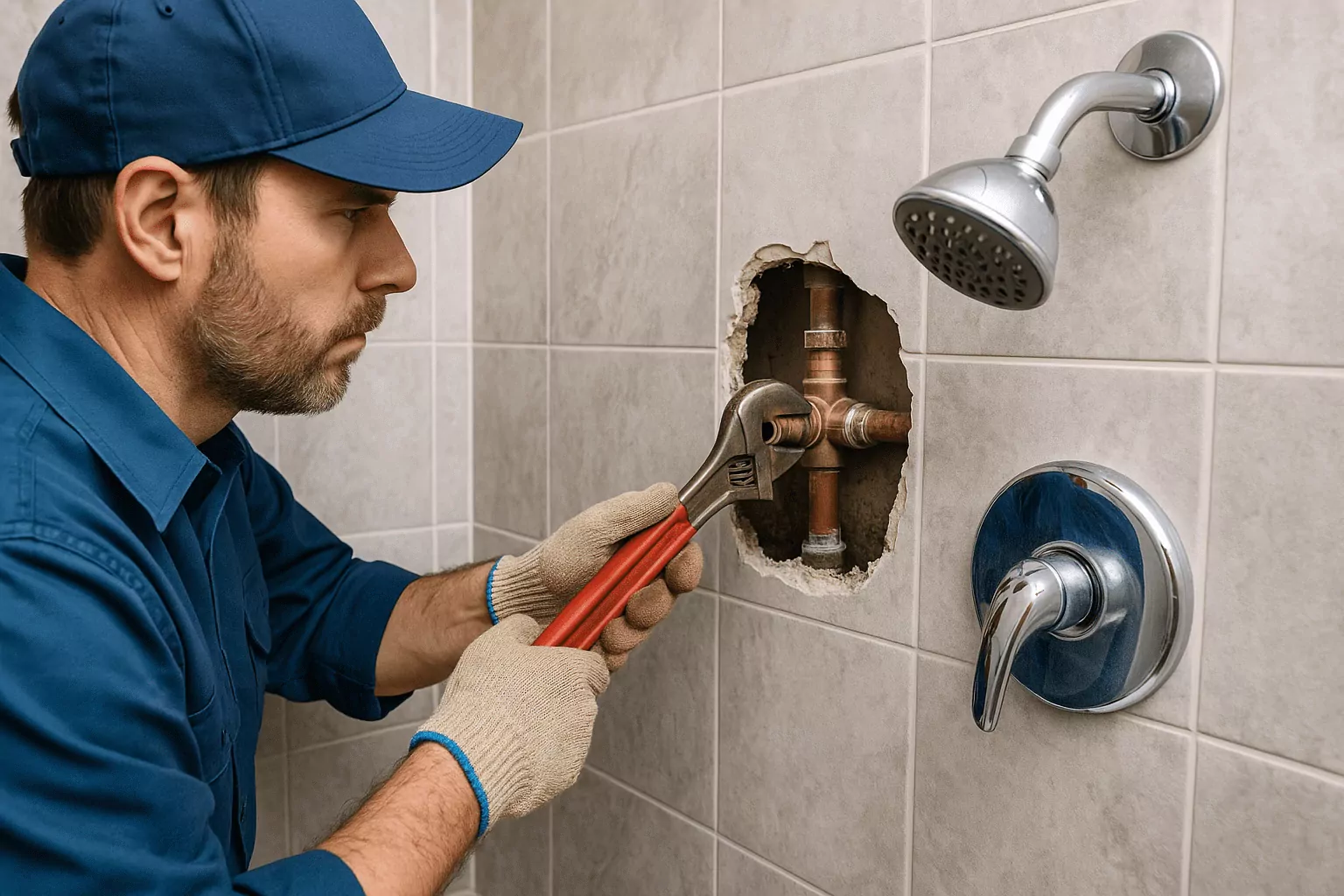
Shower problems can derail your day, but many issues are easier to diagnose and fix than you might think. If you are searching for shower plumbing repair Port Arthur TX, this guide explains the most common culprits and the practical steps homeowners can take before calling a professional. Port Arthur homes experience unique plumbing stressors, from Gulf Coast humidity to mineral buildup that affects fixtures and valves. Understanding how shower valves, cartridges, diverters, and drains function will help you troubleshoot confidently and prevent small nuisances from turning into water damage. We will walk through low water pressure, leaks, drain clogs, and hidden issues behind the wall using clear checklists and real Southeast Texas examples. Along the way, you will learn when a DIY approach suffices and when a licensed plumber is the safer, more cost-effective choice. By the end, you will be prepared to restore strong flow, steady temperatures, and a fresher, more efficient shower experience.
Shower plumbing repair Port Arthur TX: Low water pressure and temperature swings
Low water pressure often points to mineral buildup in the showerhead, a partially closed supply valve, or sediment lodged in the pressure-balancing cartridge. Start by unscrewing the showerhead and soaking it in white vinegar for 30 minutes to dissolve scale left by hard water, which is common in Southeast Texas. If pressure improves with the showerhead removed, replace worn washers or consider a WaterSense-labeled model for stronger performance at lower flow rates. When pressure drops coincide with temperature spikes, the mixing valve or pressure-balancing cartridge may be sticking from debris or age. Carefully shut off water, remove the trim and handle, and inspect the cartridge for cracks or stiffness, replacing it with an exact-match part if necessary.
In Port Arthur, municipal water pressure can vary block to block, and older homes with galvanized lines are more prone to internal corrosion that constricts flow. If pressure is consistently low at multiple fixtures, test static pressure at an outdoor spigot with a gauge and aim for 40-60 psi, then assess the home's pressure regulator if present. Mineral-heavy supply lines may need periodic flushing or targeted replacements with PEX or copper for consistent delivery to your shower valve. We recently assisted a homeowner near Griffing Park whose upstairs shower dropped to a trickle whenever the washing machine ran; recalibrating the pressure regulator and replacing a failing mixing valve restored reliable flow and temperature. For efficiency guidance on showerheads and flow rates, consult the EPA's WaterSense program at EPA WaterSense for vetted product choices and installation tips.
Shower plumbing repair Port Arthur TX: Leaking showerheads, valves, and cartridges
A persistent drip from the showerhead usually means worn seals, a tired cartridge, or a diverter that does not fully seat. Remove the handle and escutcheon to access the valve body, then inspect the cartridge's O-rings and seals for flattening, cracks, or mineral scoring. Many Port Arthur homeowners notice leaks worsen after seasonal temperature swings, which can stress rubber components and accelerate wear. If you see corrosion or pitting on the valve body, address it promptly to prevent seepage behind the wall that invites mold growth. Always shut off the water at local angle stops or the main, and keep a towel handy to catch residual line water during disassembly.
Cartridge replacement is brand-specific, so bring the old part to a plumbing supply house or match it by part number to avoid misfits. In a recent Bridge City case, a homeowner tried a near-match cartridge that left the diverter slightly open, causing a faint but wasteful shower drip; the correct model solved the problem instantly. If leaks appear at the tub spout or diverter, check for loose set screws, worn diverter gates, or cross-threaded connections. Consider food-coloring tests to confirm seepage sources: add a few drops in the upstream faucet and observe whether colored water shows at suspect joints. For code-aware repair guidance, review recognized standards through IAPMO and match repair methods to your valve type-pressure balance, thermostatic, or manual mix.
Shower plumbing repair Port Arthur TX: Slow drains, odors, and hidden moisture
Slow-draining showers typically stem from hair, soap scum, and biofilm lodged at the drain grate or P-trap, but deeper blockages can occur along older cast-iron or undersized lines. Start with a drain snake or hair hook at the grate, then remove the trap if accessible to manually clear buildup. Avoid harsh chemical drain cleaners that can damage seals and introduce fumes, especially in small bathrooms with poor ventilation. If odors persist, the trap may be drying out due to infrequent use or negative pressure pulling water from the seal during nearby appliance cycles. Refill the trap by running water for 30 seconds and inspect the vent stack if gurgling suggests a venting restriction.
In humid coastal climates like Port Arthur, persistent moisture can promote mildew around the drain flange and behind tile, so watch for cracked grout or a loose strainer flange. A case on the Orange-Beaumont line revealed a hair clog that masked a failing rubber drain gasket; replacing the gasket and resealing the flange eliminated both odor and seepage. For public water and sewer information, or to report infrastructure issues, reference the City of Port Arthur's resources at City of Port Arthur. When DIY clearing does not restore normal flow, a camera inspection can reveal pipe bellies or root intrusion that need professional equipment. If you suspect sewer gas, ensure the trap is intact and consider scheduling a smoke test through a licensed plumber to rule out cracked fittings or misrouted vents.
Shower plumbing repair Port Arthur TX: Preventive maintenance and when to call a pro
Preventive maintenance keeps showers performing well and avoids costly drywall repairs from hidden leaks. Once a quarter, clean the showerhead screen, exercise the shutoff valves, and inspect the escutcheon for signs of moisture or mineral stains. Replace failing caulk at corners and curb transitions to stop water from wicking under tile or into the subfloor. If your home has older galvanized or mixed piping, consider a phased replacement plan to stabilize pressure and reduce rust sediment. For ongoing education and homeowner tips, explore our related guide at our blog and learn how seasonal maintenance impacts water comfort.
Choose professional help when you face repeated temperature swings, visible leaks behind the wall, or recurring clogs that return within weeks. Licensed plumbers can source exact-match cartridges, pressure-test lines, and perform camera inspections that save time and prevent guesswork. If you are comparing repair vs replacement, ask for a parts-and-labor warranty and discuss fixture upgrades that meet WaterSense standards for long-term savings. Review a full list of what we handle at our plumbing services, and get personalized advice tailored to Orange, Beaumont, and Bridge City homes. When you are ready, you can request service for fast scheduling and clear, up-front pricing.
Addressing shower issues early protects your home, conserves water, and restores comfort for the entire household. By cleaning mineral buildup, replacing worn cartridges, and keeping drains clear, you can solve many problems without major expense. When symptoms persist or you suspect hidden leaks, professional diagnostics will prevent escalating damage and excessive water bills. 409 Plumbing proudly serves Orange, Beaumont, and Bridge City with fast, code-conscious solutions tailored to Gulf Coast homes. For friendly, expert help, call 409 Plumbing at 409-444-0066. Explore more tips and solutions at our services and contact us to schedule your appointment today.
Frequently Asked Questions About Shower Plumbing Repair
What causes low water pressure in Port Arthur showers?
Common causes include mineral buildup in the showerhead, partially closed stop valves, and sediment-laden or failing cartridges. Homes with galvanized steel pipes can also experience internal corrosion that narrows the pipe diameter and reduces flow. If pressure is low across multiple fixtures, check your pressure regulator and main shutoff, then measure static pressure to determine if the issue is home-wide. Seasonal changes and municipal variations can influence supply pressure, which makes a properly set regulator especially helpful. If DIY steps do not restore steady flow, a plumber can test for pipe restrictions and recommend targeted replacements to stabilize pressure.
Can I replace a shower cartridge myself without special tools?
Yes, many homeowners can replace a cartridge with basic tools like screwdrivers, Allen keys, and an adjustable wrench. The key is to shut off water completely, relieve pressure, and photograph each step so the retaining clip, bonnet nut, and trim return to their exact positions. Identify the brand and model before purchasing, because a near-fit can cause leaks or poor temperature control. Apply a small amount of plumber's grease to O-rings and stems to ensure smooth operation and longer seal life. If the cartridge is seized by mineral deposits, a puller tool or professional assistance may be necessary to avoid damaging the valve body.
How do I stop a recurring shower drain clog that keeps returning?
Begin by removing the strainer and clearing hair and soap scum with a drain hook or small snake, then flush with hot water to move loosened debris. Use an enzymatic cleaner instead of caustic chemicals to preserve gaskets and minimize fumes in tight bathrooms. If clogs recur within weeks, the blockage may be deeper in the branch line or tied to a venting issue that slows drainage. A plumber can run a camera to identify pipe bellies, scale buildup, or intrusions that require mechanical cleaning or spot repair. Improving maintenance habits, like using a hair catcher and periodically cleaning the P-trap, helps keep the line clear once the root cause is resolved.
When should I call a professional for shower plumbing repair Port Arthur TX instead of DIY?
Call a pro when you see moisture behind the escutcheon, notice soft drywall, or hear hissing in the wall after shutoff. Persistent temperature swings, repeated clogs, and pressure that fluctuates across multiple fixtures suggest systemic issues that benefit from diagnostic tools. Professional services include pressure testing, cartridge sourcing, regulator calibration, and camera inspections that pinpoint hidden defects quickly. Licensed experts also ensure repairs align with recognized plumbing standards and local requirements. When safety, warranty protection, and long-term reliability matter, a qualified plumber is the smartest investment.
Registered Master Plumber Texas State Board of Plumbing Examiners
RMP #44702
Licensed and Bonded
Cities Serviced
409 Plumbing
Follow Us On
© 2026 409 Plumbing. All Rights Reserved.
Website Design and Hosting Provided by LocalBizBuzz,co