
24 Hour Service
Call 409-444-0066
Common Reasons for Water Heater Not Heating
in Vidor and Their Solutions
Identify the top causes of water heater issues in Vidor and practical solutions to restore your hot water quickly.
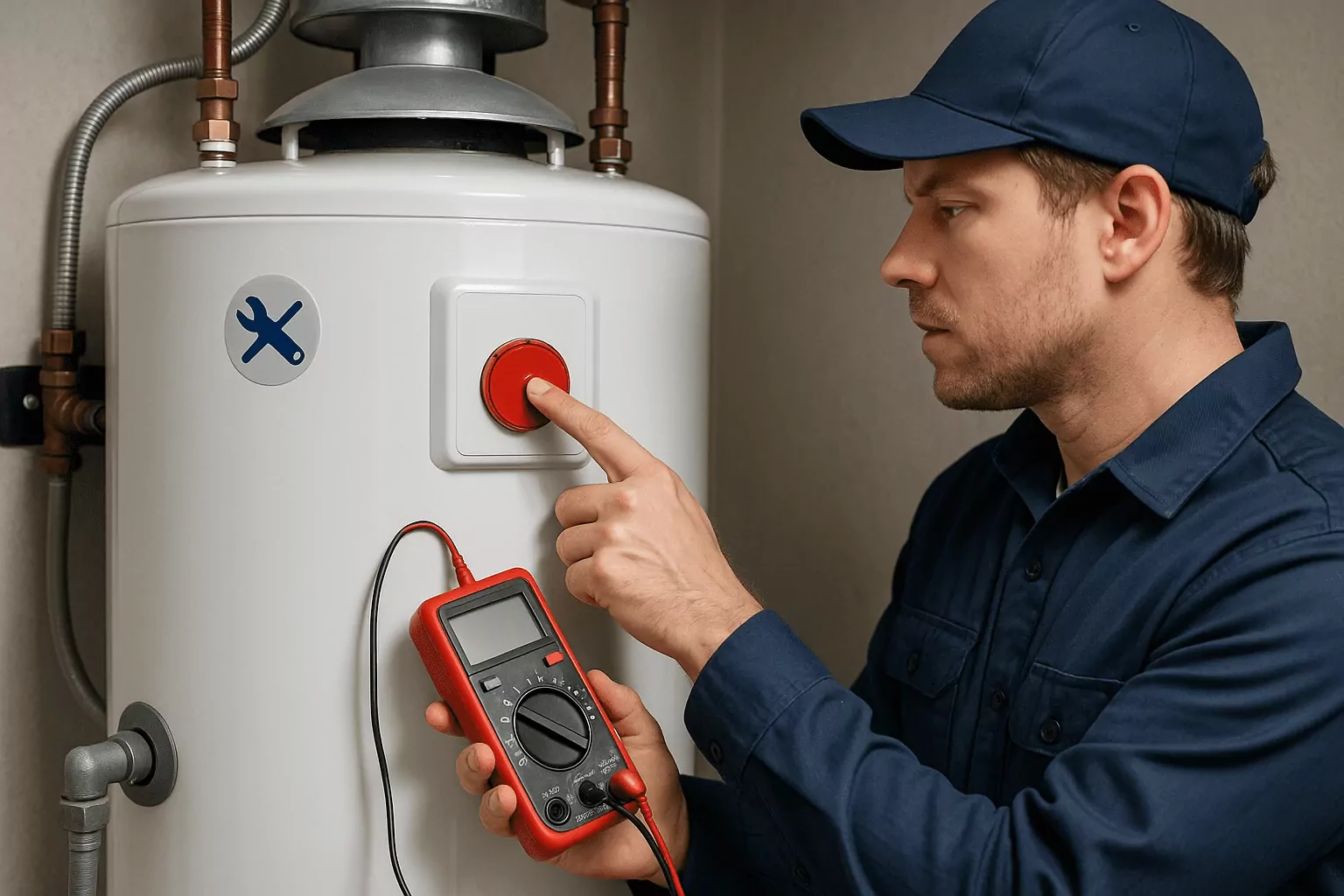
If you are dealing with a water heater not heating Vidor homes reliably, you are not alone. Local conditions, normal wear, and small component failures can combine to leave your showers cold and laundry lukewarm. In this guide, we break down the most common reasons for heat loss, show you how to spot each issue, and share fixes that restore hot water fast. We also include local insights shaped by real service calls across Vidor, Orange, and Beaumont, so the advice fits what homeowners actually face. For a quick navigation point, see our overview and contact options for urgent help. To start troubleshooting right away, tap this resource: water heater not heating Vidor. By the end, you will know when a DIY check is safe and when to call 409 Plumbing for professional service.
Gas ignition and pilot issues causing water heater not heating Vidor homes
When a gas water heater stops producing hot water, failed ignition is often the culprit. In Vidor, stormy weather can gust through vents and blow out pilots, while humidity can corrode igniters and thermocouples. Start by checking whether the pilot is lit and whether the flame is strong and steady; a weak or yellow flame suggests air or gas supply problems. Confirm the gas shutoff valve is fully open and that other gas appliances work normally to rule out a supply interruption. If the pilot will not stay lit, the thermocouple or flame sensor may be dirty, bent, or failed, which prevents the gas valve from opening for safety reasons.
We recently helped a Vidor homeowner who noticed a faint sulfur smell and no hot water after a front rolled in. The pilot light had extinguished, and the thermocouple tip showed soot and slight warping from repeated relights. After cleaning the burner assembly, replacing the thermocouple, and verifying proper draft, the unit fired reliably and maintained temperature. This case underscores how small ignition parts fail gradually, then suddenly, often after windy or wet weather. Addressing these parts early can prevent complete heat loss and potential gas waste.
Actionable steps before calling a pro include visually inspecting the flame, gently vacuuming dust around the burner area, and ensuring the combustion air openings are clear. Never block the draft hood or cap a vent, and avoid using flammable aerosols near the heater. If you smell gas continuously or hear hissing, shut off the gas at the appliance, ventilate the area, and contact your utility and a licensed plumber immediately. For detailed safety guidance on gas appliances and combustion, review the U.S. Department of Energy's water heating overview at energy.gov. If the unit still will not ignite, schedule service through our contact form for same-day diagnostics in Vidor and nearby Orange and Beaumont.
Electric elements, thermostats, and reset trips behind a water heater not heating Vidor properties
On electric models, a tripped high-limit switch (the red reset button) or a failed heating element is a top reason for no hot water. If your breaker panel shows a tripped circuit, reset it once and listen for the heater to begin working; repeated trips indicate an underlying fault. The upper thermostat controls the first heating cycle, so if it fails, you will often get no heat at all. Meanwhile, a burnt-out lower element can cause lukewarm or quickly cooling water because only the top portion of the tank heats. Consistent resets or uneven water temperature point to thermostat calibration issues, loose wiring, or element failure.
We handled an Orange, TX service call where a homeowner experienced warm morning showers but cold evenings. Testing found the lower element had failed open, while the upper element and thermostat were still functioning, producing short-lived hot water. Replacing both elements and recalibrating the thermostats restored full capacity and balanced recovery times. This mirrors many cases in Southeast Texas where water quality and age wear out elements faster than expected. Proactive element checks during annual maintenance can prevent surprise failures.
DIYers can safely try a few checks: verify the breaker is on, press the reset button on the upper thermostat behind the access panel (turn power off first), and ensure the access covers and insulation are properly reinstalled. If you are comfortable with a multimeter and the power is off, you can test continuity on elements and thermostats following the manufacturer's instructions. Otherwise, it is smart to call a licensed plumber or electrician for testing under load, wire inspection, and correct replacement parts. Manufacturer troubleshooting resources like Rheem's support center can be helpful; see Rheem Knowledge Center for general guidance. To book an expert diagnostic, visit our services page and select water heater repair.
Sediment buildup, scaling, and capacity mismatch: often-overlooked causes of water heater not heating Vidor systems
Sediment and scale reduce a heater's ability to transfer heat, making the unit work longer while producing less hot water. In Vidor and across Orange County, mineral content can settle at the tank bottom and blanket electric elements or gas burner surfaces. This creates popping or rumbling sounds and leads to overheating that trips safety switches. A partially clogged dip tube can also mix cold and hot water prematurely, causing lukewarm output even though the heater is functioning. If your heater used to work fine but now struggles during peak times, sediment or a failing dip tube might be to blame.
We flushed a Beaumont homeowner's 8-year-old tank that had developed loud rumbling and slow recovery. The drained water showed heavy sediment; after a thorough flush and anode inspection, output temperature and recovery improved noticeably. We also recommended annual flushes and a scale-reducing inlet filter to slow future buildup. In another Bridge City case, a cracked dip tube was diluting hot water at the outlet; replacing it produced immediate and sustained heat. These examples show how non-electrical, non-gas issues can still mimic an ignition or element failure.
Capacity and usage patterns matter, too. A family adding a new bathroom or switching to back-to-back showers may outpace a 40-gallon tank's recovery rate. Consider these optimization steps:
From gas ignition failures to electric element burnout and sediment buildup, the most common reasons for a water heater not heating in Vidor are both diagnosable and fixable. Quick checks like verifying breakers, pressing the reset, confirming a steady pilot flame, and flushing sediment can restore heat or narrow the issue. When problems persist, professional testing identifies faulty sensors, clogged lines, and failing components before they cascade into bigger repairs. If you need fast, local help, call 409 Plumbing at 409-444-0066 for service in Vidor, Orange, Beaumont, and Bridge City. Visit our services to see how we can help, or request an appointment via our contact form today. We are ready to restore reliable hot water to your home. Your comfort and safety are our top priorities, and we stand behind every repair with local expertise and friendly service.
Frequently Asked Questions Water Heater Not Heating
Why does my water heater make popping or rumbling noises and still not heat well?
Popping and rumbling generally indicate sediment buildup at the bottom of the tank, which traps steam bubbles and forces the heater to work harder. This layer insulates the water from the burner or elements, slowing heat transfer and leading to lukewarm output. Left unaddressed, overheating from sediment can trip the high-limit switch and shorten tank life. A professional flush removes the buildup and restores efficiency, often noticeably improving hot water duration. If noises persist after a flush, a failing dip tube, scaled elements, or a half-closed valve may be contributing and should be checked.
How do I safely relight a gas water heater in Vidor after windy weather?
First, read the lighting instructions on the unit's rating plate and verify that the area is free of gas odors. Turn the gas control to the pilot position, press and hold the pilot button, and use the built-in igniter if equipped; keep holding the button for 30-60 seconds to heat the thermocouple. If the flame will not remain lit, the thermocouple or flame sensor may be dirty or defective, or draft conditions may be poor. Never use open flames near the heater, and do not attempt repeated relights if you smell gas. If you are uncertain or the pilot repeatedly goes out, call a licensed pro for diagnostics and draft testing.
Is 120 F hot enough, and can the thermostat setting affect why my water heater is not heating?
Yes, 120 F is the commonly recommended setpoint balancing comfort, efficiency, and scald safety per national guidance. If set lower, showers may feel lukewarm, especially during high demand or winter inlet temperatures. Conversely, setting it too high can increase energy use and scald risk without solving underlying capacity or sediment problems. Start at 120-125 F and monitor performance; if hot water runs out quickly, it may be a sizing or sediment issue rather than the setpoint. Reference the Department of Energy's water heating guidance at energy.gov for more details.
When should I repair versus replace a water heater that is not heating in Vidor?
Consider repair if the unit is under 8-10 years old, has no tank leaks, and the problem points to replaceable parts like elements, thermostats, igniters, or valves. Replacement is often smarter if the tank is leaking, the unit is older than its typical lifespan, or repair costs exceed 40-50 percent of a new, efficient model. Also factor in energy savings and recovery improvements from modern high-efficiency or tankless systems. If household demand has increased, an upgrade can solve recurring hot water shortages better than repeated fixes. A professional inspection can provide exact costs and help you decide with confidence.

Registered Master Plumber Texas State Board of Plumbing Examiners
RMP #44702
Licensed and Bonded
Cities Serviced
409 Plumbing
Follow Us On
© 2026 409 Plumbing. All Rights Reserved.
Website Design and Hosting Provided by LocalBizBuzz,co