
24 Hour Service
Call 409-444-0066
Common Mistakes to Avoid During Propane Line Installation Orange
Avoid costly errors and ensure safety with these essential tips for propane line installation in Orange.
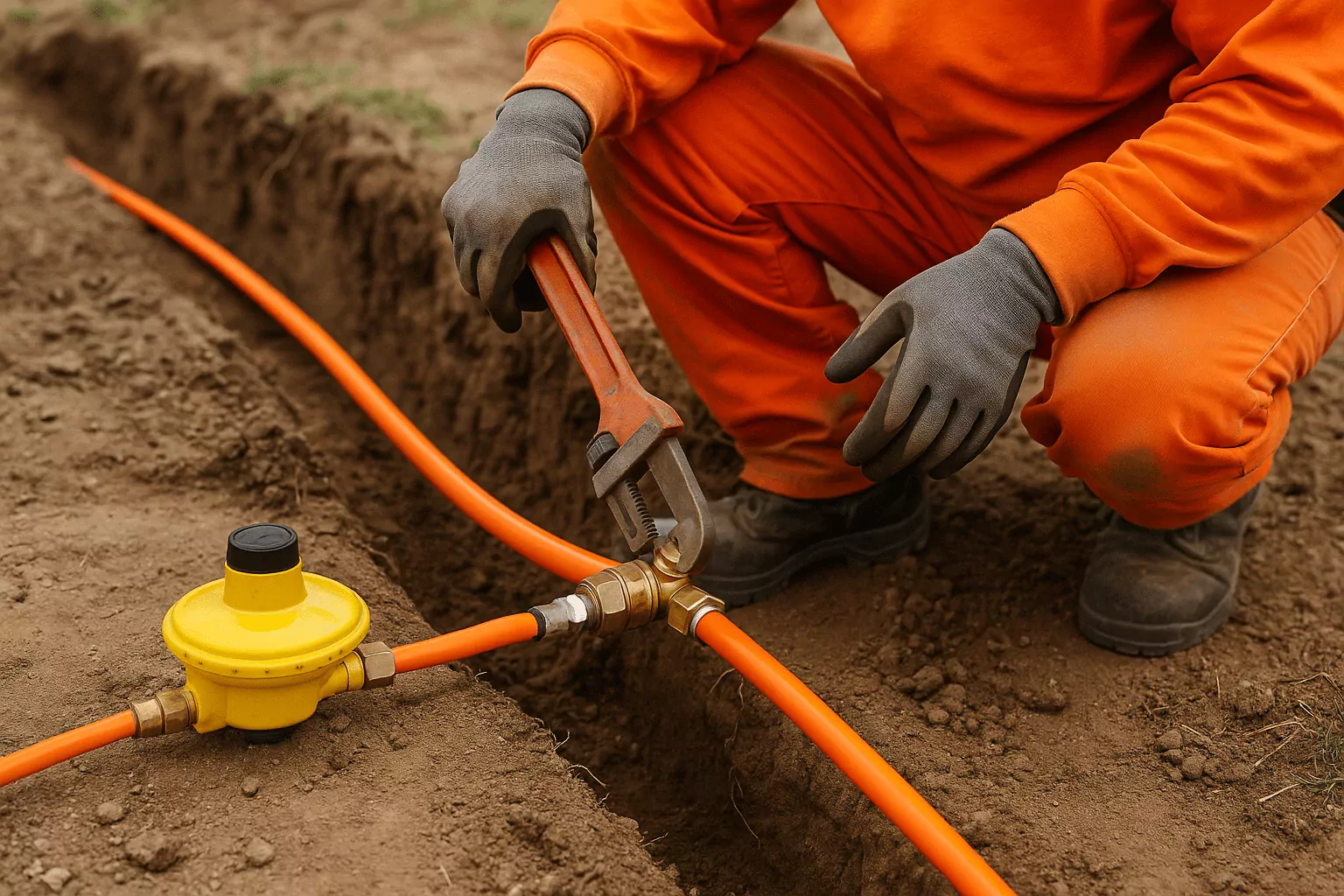
Planning a safe, code-compliant propane system starts long before a trench is dug or a fitting is tightened. In and around Orange, Texas, unique soil conditions, coastal humidity, and local code requirements make careful planning essential for any propane line installation Orange project. Homeowners and contractors who skip permits, undersize pipe, or rush pressure tests often face costly rework, delays, and safety risks. The good news is that most problems are preventable with proper design, documentation, and inspection. In this guide, we break down the most common pitfalls our team at 409 Plumbing sees in Orange, Beaumont, and Bridge City, and how to avoid them. Use these insights to improve safety, pass inspections the first time, and protect your investment for years to come.
Start Right: Permitting, Codes, and Site Assessment for propane line installation Orange
One of the biggest early-stage mistakes is skipping the permit or not coordinating inspections with the authority having jurisdiction. In Texas, propane systems must conform to state rules administered by the Texas Railroad Commission, as well as national standards like NFPA 54 and NFPA 58. Failing to pull the correct permit or to schedule a rough-in and final inspection can result in stop-work orders, fines, and delays. We often see projects in Orange stalled when documentation is incomplete or when a system design does not match the permit application. Starting with a clear plan, a correct site diagram, and coordination with the inspector saves time and prevents surprises.
Site assessment is another area where shortcuts backfire. In Orange County, gumbo clay soils, high moisture, and occasional flooding increase corrosion risk and affect trench stability. Ignoring drainage patterns, utility easements, or powerline setbacks can force costly reroutes later. Before trenching, call 811 to locate utilities and evaluate where regulators, shutoff valves, and appliance connections will live relative to structures and property lines. A short preconstruction walk-through with your licensed plumber and the homeowner frequently catches issues that a drawing alone might miss.
Lastly, document critical design decisions so your field team installs exactly what was approved. Use a simple checklist that includes: permit number and expiration date, utility locates, required burial depth, regulator vent orientation, required bonding, and inspection stages. Clear documentation ensures every crew member follows the same standard and helps your project pass on the first try. When in doubt, consult authoritative resources such as NFPA 54: National Fuel Gas Code and NFPA 58: Liquefied Petroleum Gas Code for design and installation guidance. You can learn more from NFPA and state regulators at these resources: NFPA 54, NFPA 58, and the Texas Railroad Commission.
Get the Design Right: Sizing, Materials, and Routing in propane line installation Orange
Undersizing or oversizing the propane line is a top cause of performance problems, from weak burner flames to nuisance shutdowns. Proper sizing accounts for total BTU load, longest run length, acceptable pressure drop, and the number of fittings. In practice, that means calculating the combined demand of appliances like ranges, water heaters, pool heaters, and standby generators, then choosing pipe diameters that deliver the required flow at appliance regulators. We recommend documenting load calculations and publishing a materials schedule to keep ordering and installation consistent. A case in point: a generator install in Bridge City repeatedly failed to start under load until we upsized a long CSST run and adjusted the regulator; the corrected design solved the issue immediately.
Material choice and routing weigh heavily on safety and longevity. Common acceptable materials include coated copper (where permitted), black iron, polyethylene (poly) with tracer wire for underground runs, and CSST with proper bonding. In Orange, corrosion from wet soils and salt-laden air near the coast can attack unprotected steel, so additional coatings, sleeves, or anode protection may be warranted. Avoid routing through areas prone to mechanical damage, like shallow landscapes or driveway crossings, without proper depth, sleeving, or barrier warning tape. Also, always include accessible shutoff valves and sediment traps near appliances to protect regulators and burners from debris.
Smart routing can also reduce pressure drop and installation costs. Minimize unnecessary fittings, keep runs as short and direct as possible, and plan for future expansions like outdoor kitchens or shop heaters. When underground, maintain code-required burial depth and add tracer wire and marking tape so the line can be located later. In Orange and Beaumont, we often adjust depth and bedding material to handle heavy rains that can wash out trenches or compact soil. A simple prebuild checklist helps: confirm burial depth, place tracer wire, photograph trench with tape measure for inspection, and verify sleeve placement through walls and foundations.
Do Not Rush Testing: Pressure Tests, Leak Checks, and Commissioning for propane line installation Orange
Another widespread mistake is compressing the testing window to speed up a project, only to fail inspection or, worse, miss a leak. Pressure tests should be performed with a properly calibrated gauge or manometer, at the test pressure and duration dictated by code and the inspector. Air or inert gas is typically used for initial pressure testing, never propane, and the system must be isolated from appliances unless specifically permitted. We recommend documenting start time, ambient temperature, test pressure, and end time to address any gauge drift or temperature-related pressure changes. In one Orange home addition, a 20-minute extra hold identified a tiny fitting defect that a shorter test would have missed.
Commissioning is more than firing up the appliance. After a successful pressure test, perform a leak check with approved leak solution at every joint, then slowly introduce propane and verify regulator outlet pressures. Confirm appliance orifices are set for propane, not natural gas, and verify combustion with manufacturer-recommended tests. A final checklist should include appliance start-up sequence, proper venting, ignition safety operation, and documentation of regulator settings. Many callbacks we see come from omitted sediment traps, backwards check valves, or misadjusted regulators, all of which commissioning catches when done methodically.
Avoid Long-Term Headaches: Contractor Selection, Documentation, and Maintenance in propane line installation Orange
Choosing the lowest bid without checking licenses, insurance, and references can be costly. Work with a licensed, insured plumber who has verifiable experience with propane systems and local inspection processes. Ask for a project scope that lists materials, burial depths, regulator models, testing procedures, and inspection milestones so you know what you are getting. In the Golden Triangle, local knowledge matters; a contractor familiar with Orange and Bridge City soil and weather patterns will plan corrosion protection and drainage details others may miss. Clear scopes and experience reduce change orders and speed approvals.
Documentation and preventative maintenance protect your investment long after installation day. Request as-builts showing line routing, depths, tracer wire locations, regulator settings, appliance BTU ratings, and shutoff valve locations. Keep these in a home binder and share them with future service providers for faster, safer repairs. Schedule periodic visual inspections and leak checks, especially after heavy flooding, landscaping projects, or severe storms. In our service area, we often recommend annual checks for high-demand systems like pool heaters and generators, and immediate inspections after any excavation work on the property.
A safe and efficient propane line installation in Orange starts with solid planning, correct sizing, and a thorough testing and inspection process. By addressing permits, code requirements, material selection, and commissioning details up front, you lower costs, pass inspections faster, and protect your home and family. Whether you are adding a generator, outfitting an outdoor kitchen, or replacing aging lines, partner with a qualified local pro who knows our soils, weather, and inspection standards. For trusted help, contact 409 Plumbing at 409-444-0066. We proudly serve Orange, Beaumont, and Bridge City with licensed propane and gas line expertise, and we are ready to help you plan, install, and maintain a system you can count on. For more information, review our services, or request an estimate today. To learn more about homeowner safety, visit the Propane Education & Research Council at propane.com/safety and stay informed on best practices.
Frequently Asked Questions About Propane Line Installation
Do I need a permit for propane line installation in Orange, TX?
In most cases, yes, a permit and inspection are required for propane line installation Orange projects. Requirements can vary based on the scope, but expect rough-in and final inspections that verify sizing, materials, burial depth, regulator settings, and leak testing. Compliance follows state rules overseen by the Texas Railroad Commission and national standards like NFPA 54 and NFPA 58. Skipping permits can lead to fines, insurance issues, and potential safety risks if something goes wrong. Always confirm with your local authority and coordinate your schedule so testing and inspections are not rushed or missed.
What size propane line do I need for my appliances?
Proper pipe sizing depends on total BTU load, run length, number of fittings, and allowable pressure drop. A small residential range might be fine on a shorter, smaller-diameter run, while a long run to a standby generator, pool heater, or outdoor kitchen typically requires a larger diameter to maintain pressure. Using standard sizing tables from NFPA 54 and manufacturer data, a licensed plumber will calculate the appropriate sizes for each segment. Undersizing leads to weak flames, lockouts, and premature component wear, while oversizing can add unnecessary cost. The safest route is to have a pro perform a load calculation and provide a documented materials schedule.
How deep should underground propane lines be buried in Texas?
Burial depth requirements vary by jurisdiction and material type, but underground propane lines typically need to be buried deep enough to prevent damage, with additional protection when crossing driveways or areas subject to traffic. Polyethylene lines require tracer wire for future locating and usually marking tape above the pipe. In Orange and surrounding areas with shifting soils and heavy rains, we often recommend verifying bedding material and compacting in lifts to reduce settlement. Your inspector may set minimum depths for different areas of the property, so verify during planning. Always document depth with photographs and measurements for your inspection file and future reference.
What testing is required before turning on propane to the system?
Code-compliant testing usually includes an initial air or inert gas pressure test at a specified pressure and duration, followed by leak checks with an approved solution at every joint. Appliances are typically isolated during the pressure test to protect sensitive components. After passing the pressure test, the system is commissioned by introducing propane slowly, verifying regulator outlet pressure, and confirming proper appliance operation. Inspectors often require a recorded start and stop time, ambient temperature, and photos of the gauge to verify stability. Following these steps helps ensure the system is safe and reduces the likelihood of nuisance shutdowns or leaks.
How do I choose the right contractor for propane line installation Orange?
Look for a licensed, insured plumber with documented propane experience and strong local references in Orange, Beaumont, or Bridge City. Ask for a detailed scope of work that includes line sizing calculations, materials list, burial depth, testing procedures, and inspection milestones. Verify the company's familiarity with NFPA codes and local inspection processes to reduce delays. Request examples or photos of similar projects and ask how they handle corrosion protection and bonding for CSST. A reputable contractor will welcome your questions and provide a clear plan that keeps your project on time and code-compliant.

Registered Master Plumber Texas State Board of Plumbing Examiners
RMP #44702
Licensed and Bonded
Cities Serviced
409 Plumbing
Follow Us On
© 2026 409 Plumbing. All Rights Reserved.
Website Design and Hosting Provided by LocalBizBuzz,co