
24 Hour Service
Call 409-444-0066
Common Mistakes to Avoid During Propane Line Installation in Vidor
Essential tips for homeowners and contractors to prevent costly errors and ensure safe propane line installation in Vidor.
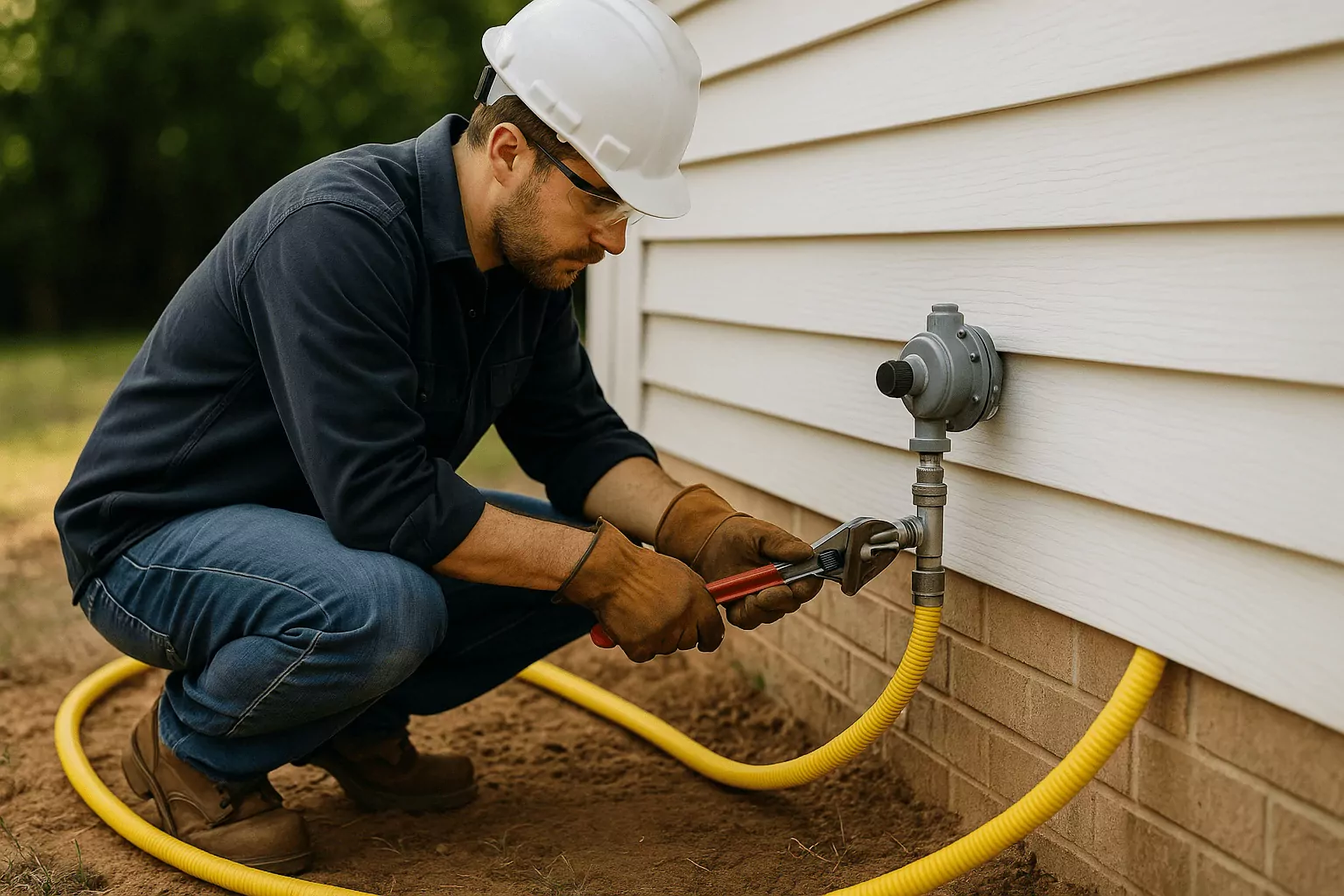
Safety, efficiency, and code compliance should be at the heart of every propane line installation in Vidor. Yet small oversights can snowball into leaks, appliance failures, inspection delays, and costly rework. Whether you are a homeowner upgrading an outdoor kitchen or a contractor adding capacity for standby generators, understanding these pitfalls protects your timeline and your budget. In this guide, we unpack the most common errors seen with propane systems across Vidor, Orange, and Beaumont, and how to prevent them the right way. You will find practical checklists, local insights, and case-based examples to guide sound decisions. For quick reference or to start a compliant design, explore propane line installation Vidor resources and services from trusted local pros.
Permits, Codes, and Planning Mistakes in propane line installation Vidor
One of the most frequent and costly mistakes is starting work before securing the proper permits and documented plans. In Texas, LP-gas work is regulated by the Texas Railroad Commission, and local jurisdictions may require permits and inspections. Skipping this step often leads to red tags, shutoffs, and trench rework, especially when setbacks or routing violate code. The National Fuel Gas Code (NFPA 54) outlines core safety practices, testing standards, and materials requirements that inspectors lean on during reviews. A simple pre-construction plan that lists appliance BTU loads, service pressures, and intended materials can save multiple trips and delays. Always align your plan with local expectations to keep your project moving forward.
Local planning also means anticipating Southeast Texas conditions such as high groundwater, hurricanes, and shifting soils. For example, a Vidor homeowner once routed a shallow PE gas line across a driveway without a sleeve, leading to damage from vehicle load and a failed inspection. Soil with roots and debris requires proper bedding to prevent abrasion, while flood-prone yards need thoughtful regulator placement and vent orientation. Consider future landscape changes like fencing, patios, or outbuildings that could obstruct service valves or restrict clearances. Planning for maintenance access around tanks, meters, and regulators helps avoid hidden damage and reduces technician time on site. Good planning protects both compliance and long-term reliability.
Know your references and use them early. NFPA 54 provides fuel gas code guidance on sizing, testing, and installation details. Bringing these standards into your planning meeting aligns everyone on expectations. If you are unsure whether the City of Vidor or Orange County will require a specific permit, verify with the authority having jurisdiction before you dig. When in doubt, partner with a licensed installer who documents load calcs, material specs, and testing protocols. This proactive approach consistently shortens inspection timelines and avoids costly rework.
Material Selection, Sizing, and Routing Errors for propane line installation Vidor
Another costly misstep is choosing the wrong piping type or diameter for the application and soil conditions. Underground propane lines typically use PE pipe rated for gas, while aboveground or indoor runs may require metallic pipe or properly bonded CSST. Mismatching materials to the environment leads to premature wear, regulator chatter, or pressure drops at appliances during peak demand. Sizing errors are equally disruptive, causing insufficient flow for generators, pool heaters, or multi-appliance systems. Proper load calculations must consider total BTUs, line length, number of fittings, and elevation changes. Getting this right ensures steady performance even during high-use periods.
We often see issues when homeowners extend small-diameter lines to serve a new high-BTU appliance without recalculating loads. One Bridge City project experienced intermittent generator shutdowns because the added fire pit and outdoor kitchen starved the system under load. After a proper sizing review and line replacement to larger PE with fewer restrictions, the generator stabilized and passed commissioning. Similarly, using CSST without bonding or installing it through tight metal studs without protection invites leaks and code violations. Always pair the right material with the right protective measures for the route and structure. Thoughtful routing reduces friction losses and future service complications.
Routing strategy matters as much as pipe selection. Long, winding paths, unnecessary tees, and sharp turns magnify pressure losses and complicate future maintenance. In a Beaumont retrofit, simplifying a spaghetti-style manifold added back 15 percent flow at the furthest appliance and reduced potential leak points. Keep regulators accessible and high enough to avoid standing water, and protect exterior runs from UV and physical damage. When crossing driveways or potential excavation zones, use sleeves and proper depth to prevent crushing and accidental strikes. Prioritizing straight, protected runs pays off in lasting reliability and easier inspections.
Trenching, Bedding, and Leak Testing Pitfalls During propane line installation Vidor
Trenching and bedding are often rushed, yet they affect the entire life of the propane system. Lines must be buried at code-compliant depths and set on clean sand or fine soil to prevent abrasion. Backfilling with rocks, bricks, or broken concrete is a common mistake that scars pipe jackets over time. Install tracer wire with nonmetallic lines for easy future locating, and place warning tape at the proper depth. In flood-prone areas, ensure slopes and drainage prevent standing water around regulators and risers. Thoughtful trenching practices add decades of durability to your system.
Leak testing is nonnegotiable and must be documented. Pressure tests with calibrated gauges at specified pressures and durations confirm a sound system before any appliance is lit. Relying solely on quick soap tests misses microleaks that can grow after backfill or thermal changes. One Orange homeowner failed final because the test tee was removed before the inspector arrived, leaving no way to verify results. Keep test points accessible until the final sign-off, and photograph gauges with timestamps if your jurisdiction accepts digital records. Precision here earns trust, speeds inspections, and anchors safety.
Sequence your work to protect test integrity. Cap every stub-out, isolate sections if needed, and label regulators with first- and second-stage settings for clarity. Avoid burying lines until you pass pressure testing to prevent unnecessary digging if a retest is required. If groundwater seeps into trenches, pump it out to maintain a clean bed and ensure fittings remain dry. Verify torque on transitions and risers after handling, since movement can loosen connections before backfill. A disciplined process prevents the majority of post-install callbacks and leaks.
Appliance Hookups, Venting, Bonding, and Post-Install Maintenance
Final connections at appliances are where many installations stumble, especially with flex connectors, shutoff valve placement, and venting. Use listed connectors of the correct length, avoid kinks or strain, and keep shutoffs accessible without moving the appliance. Venting for water heaters, furnaces, and wall heaters must follow manufacturer instructions and local code, with attention to clearances from windows and soffits. Improper venting risks carbon monoxide buildup, nuisance shutdowns, and warranty issues. Bonding and grounding of metallic systems and CSST are also critical for lightning-prone Southeast Texas. A bonded system reduces damage risk during storms and helps protect sensitive regulators and appliances.
Post-install maintenance planning should start the same day you turn gas on. Document regulator set points, line materials, and appliance model numbers for future service. Schedule periodic leak checks, sediment trap cleaning, and regulator vent inspections, especially after severe weather. Install carbon monoxide detectors near sleeping areas and test them monthly to protect occupants. Create a simple homeowner guide that shows where to turn gas off and how to recognize propane odors. These small steps prevent emergencies and build confidence in the system.
If you need help aligning manufacturer specs with code or creating a service plan, connect with a licensed team that works locally year-round. Our crew understands soil, weather, and inspection nuances across Vidor, Orange, Beaumont, and Bridge City. Explore our propane and gas services at Services, or request an estimate and site review on our Contact form. For more field tips and case studies, visit our latest posts on the Blog. A small upfront consultation often prevents the biggest downstream headaches.
Preventing mistakes in propane line installation in Vidor comes down to clear planning, correct materials, disciplined testing, and thoughtful finishing details. When you document BTU loads, choose the right pipe and regulators, and follow tested trenching practices, you minimize risk and speed approvals. Proper bonding, venting, and post-install maintenance keep systems safe and steady through Southeast Texas weather. If you are planning a project in Orange, Beaumont, Bridge City, or nearby communities, bring in licensed experts early. Call 409 Plumbing at 409-444-0066 for a code-compliant, durable installation. Ready to get started today? Request your estimate on our Contact form and explore solutions at Services.
Frequently Asked Questions About Propane Line Installation
Do I need a permit for propane line installation in Vidor or Orange County?
Most propane line installations require permits and inspections, and the exact process depends on jurisdiction and project scope. In Texas, LP-gas work is overseen by the Texas Railroad Commission, and local authorities may add permit and inspection requirements. Starting without approval risks stop-work orders, failed inspections, and rework costs. Before trenching, verify permit needs with the city or county and confirm whether your contractor will handle submissions. Keep your load calculations, material specs, and testing plan ready for review to speed approvals. A permitted, documented job protects your investment and simplifies future resale or insurance claims.
What type of pipe should I use for underground propane lines in Southeast Texas?
Most underground propane lines use PE (polyethylene) pipe listed for gas service, with approved risers and proper transitions to metallic piping above ground. Aboveground and indoor runs often require steel pipe or listed CSST that is properly bonded and protected. Always match materials to soil conditions, routing, and manufacturer guidelines to prevent abrasion and UV damage. Use sleeves under driveways or where extra protection is needed, and include tracer wire with nonmetallic lines. Your material choices should also reflect calculated BTU loads, run lengths, and local code mandates. When in doubt, consult NFPA 54 and your local authority for accepted materials.
How deep should propane lines be buried in Vidor?
Burial depths depend on local code, soil conditions, and whether the line is sleeved or under a traffic area. A common target is 12 to 18 inches for residential PE lines in non-traffic areas, but local requirements can vary. Deeper burial or sleeving may be needed under driveways, where heavy loads can stress the pipe. Always bed the line in clean sand or fine soil and keep rocks and debris out of the trench. Place warning tape at the correct depth above the pipe and include tracer wire for future locating. Confirm final depth with your inspector to ensure a smooth approval.
How often should my propane system be leak tested or inspected?
A new installation must pass a documented pressure test before service is activated, and periodic inspections are recommended afterward. Many homeowners schedule annual leak checks, especially after storms, renovations, or landscaping work. If you add appliances or notice performance changes, request a sizing review and test sooner. Regulators, vents, and sediment traps benefit from routine inspection to maintain safe operation. Testing intervals can be guided by manufacturer recommendations, NFPA 54, and local authority preferences. Consistent maintenance reduces unexpected outages and extends the life of your system.

Registered Master Plumber Texas State Board of Plumbing Examiners
RMP #44702
Licensed and Bonded
Cities Serviced
409 Plumbing
Follow Us On
© 2026 409 Plumbing. All Rights Reserved.
Website Design and Hosting Provided by LocalBizBuzz,co