
24 Hour Service
Call 409-444-0066
Common Issues with Tankless Water Heater Repair
in Port Arthur
Identify frequent problems with tankless water heater repair in Port Arthur and tips for quick, effective solutions.
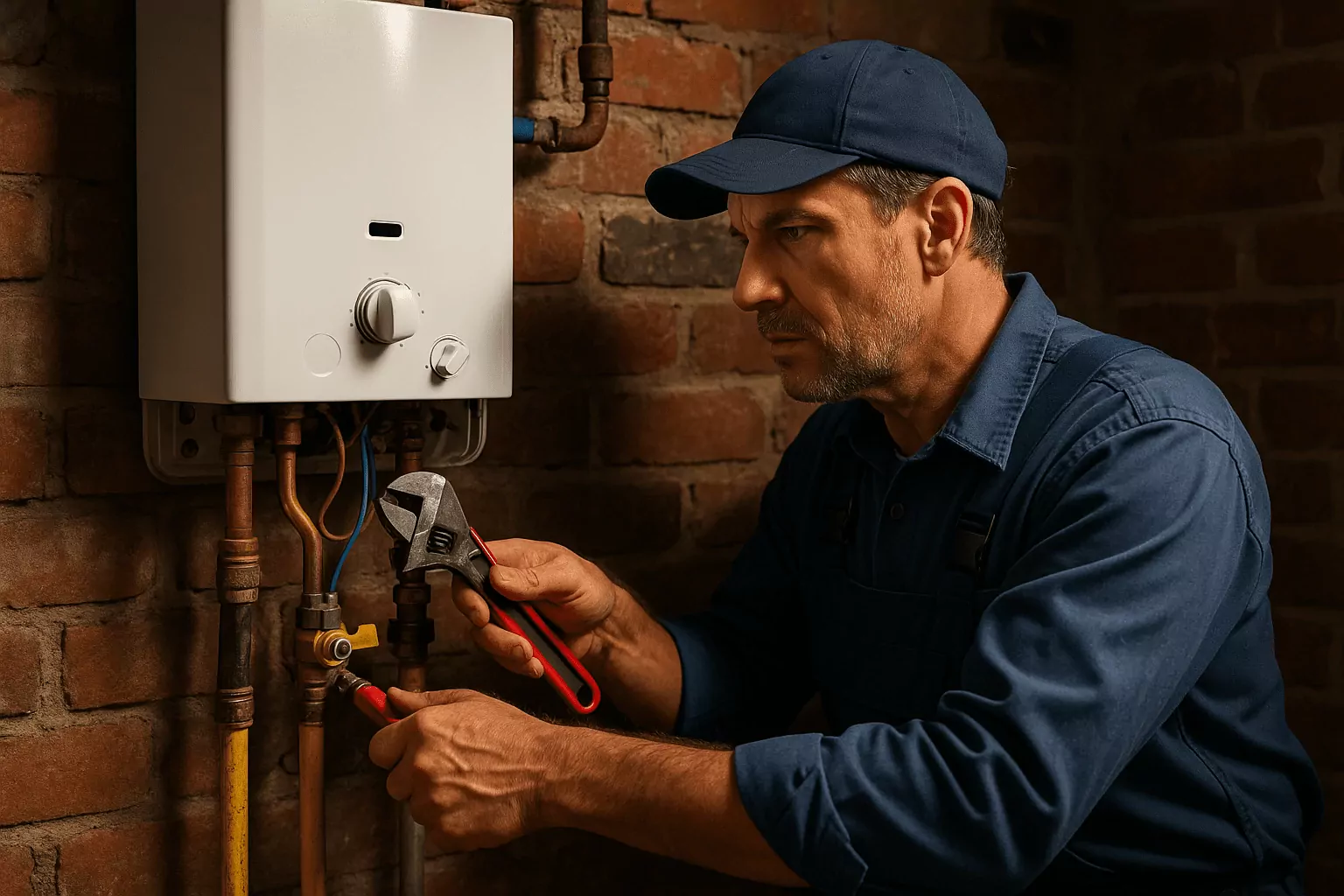
Tankless systems deliver endless hot water and impressive efficiency, but when problems surface, homeowners in Port Arthur need fast, accurate fixes. If you are researching tankless water heater repair Port Arthur, start with trusted local guidance and practical steps that prevent repeat breakdowns. This guide explains what typically goes wrong, how to troubleshoot safely, and when to call a licensed pro. We draw on real service scenarios from the Golden Triangle to help you understand mineral scaling, ignition faults, venting issues, and fluctuating temperatures. You will also learn how water quality, gas line sizing, and long plumbing runs affect performance. For expert help that fits your home and budget, consider scheduling professional diagnostics early to reduce downtime and protect your investment.
Mineral scale, heat exchanger efficiency, and error-code troubleshooting for tankless water heater repair Port Arthur
Gulf Coast water chemistry often leads to limescale buildup inside the heat exchanger, restricting flow and reducing heat transfer. In Port Arthur, even moderate hardness can trigger error codes, lukewarm water, or noisy operation as the unit struggles to maintain temperature. A thorough descaling flush with the manufacturer-recommended solution typically restores flow and efficiency, but frequency depends on local hardness and usage patterns. We have seen homeowners postpone flushing for years, only to face repeated shutdowns during peak demand. A case in a nearby neighborhood involved back-to-back error codes after showers; once we removed significant scale and cleaned inlet screens, the heater returned to stable operation.
Proactive maintenance is essential for preventing heat exchanger stress and premature failure. Most brands recommend annual service in hard-water areas, and Port Arthur's conditions often warrant that interval. During a tune-up, a licensed technician will test temperature rise, inspect the burner assembly, clean the fan, verify combustion, and flush the exchanger. For added protection, consider installing a pre-filter or water softener to slow scale accumulation and stabilize performance. Pairing maintenance with performance logs helps you track improvements in outlet temperature and flow, revealing early signs of new restrictions.
When error codes appear, treat them as valuable clues rather than just a nuisance. Common codes point to flame sensing, ignition, flow thresholds, or exhaust problems, and each warrants a different diagnostic path. Homeowners can check easy items like a clogged inlet filter or low-flow fixtures before calling a pro, but combustion and venting checks should be left to certified technicians. If you need a trusted starting point for tankless water heater repair Port Arthur, schedule a system evaluation that includes descaling history, filter condition, and gas pressure verification. For general background on energy-efficient water heating, review guidance from the U.S. Department of Energy at energy.gov and examine local water hardness data from USGS to set the right maintenance cadence.
Ignition, gas supply, and venting issues that derail tankless performance in coastal climates
Ignition failures and flame loss often trace back to gas supply and venting, especially in windy coastal areas like Port Arthur. If multiple gas appliances run together, an undersized line or regulator can drop pressure below the unit's minimum. The result is intermittent firing, short cycling, or tepid water as the heater struggles to maintain combustion. We handled a project where a kitchen range and a tankless heater shared a marginal branch line; once we upsized and balanced the load, the flame stabilized and hot water returned to normal. Venting problems can compound the issue if salt air, debris, or improper termination impairs airflow.
Professional combustion analysis is the safest way to pinpoint these faults. A qualified technician will measure gas pressure under load, check combustion ratios, and confirm secure, code-compliant venting. In Port Arthur's gusty conditions, vent terminations should be positioned to avoid recirculation and wind-driven downdrafts. Technicians also inspect intake screens, condensate drains, and seals that can degrade in humid, salt-laden air. When everything is tuned, the heater lights consistently, burns cleanly, and delivers reliable temperature rise across fixtures.
Homeowners can look for a few early warning signs before calling for service. You might notice clicking without ignition, repeated resets, or sporadic hot-cold spikes when other gas appliances kick on. Unusual exhaust smells or visible condensation around the vent are also red flags. If you notice any of these symptoms, pause DIY attempts beyond simple filter checks and call a licensed pro to avoid combustion hazards. For a full diagnostic and safe, code-compliant repair, explore our tankless water heater services and request a site visit.
Flow thresholds, cold-water sandwich, and recirculation strategies for smoother hot water delivery
Tankless units need a minimum flow rate to trigger heating, and ultra-efficient faucets or showerheads can fall below that threshold. In Port Arthur homes with mixed-age fixtures, low-flow aerators may cause the heater to click on and off, creating temperature swings. The infamous cold-water sandwich happens when residual cold water in the line reaches you between hot cycles. We resolved this in a two-story home by cleaning inlet screens, adjusting minimum flow settings, and fitting a recirculation loop to pre-warm lines. After the upgrade, showers started hot faster and maintained an even temperature throughout.
Long plumbing runs also magnify wait times and encourage short-draw cycles that never fully engage the heater. Strategic solutions include smart recirculation pumps, demand-activated controls, or dedicated return lines where feasible. With Port Arthur's busy households, demand controls let you enjoy instant hot water without paying for constant circulation. We often pair recirculation with pipe insulation to retain heat and reduce load on the unit. The combined effect is steadier temperature delivery and lower energy waste.
Simple checks can help you diagnose flow-related issues before a service call. Consider the following steps to stabilize performance and reduce nuisance cycling:
Electrical, sensors, and control-board reliability plus preventive maintenance planning
Behind every stable tankless system is precise electrical control over sensors, fans, and ignition. Power fluctuations and lightning common to Gulf Coast storms can stress control boards or damage delicate components. We recommend whole-home or point-of-use surge protection to safeguard the unit and reduce nuisance faults. Sensor drift over time can also cause overheating, short-cycling, or error codes that look like gas or venting issues. A routine diagnostic includes checking thermistors, flow sensors, and wiring harnesses to confirm accurate readings.
Preventive maintenance is the most cost-effective way to extend equipment life in Port Arthur's climate. An annual plan bundles descaling, filter cleaning, combustion checks, sensor validation, and drain service. This approach catches small problems long before they become a no-hot-water emergency, especially during holidays or high-usage weekends. We track system history and performance benchmarks to recommend parts replacement at the right time, not too early or too late. That data-driven approach is particularly helpful for multi-bath homes and light commercial properties that depend on consistent output.
When repairs are needed, choose parts and procedures that align with the brand's specifications and local code. We routinely service leading brands and follow factory guidance on clearances, vent materials, and condensate management. If you are comparing the cost of repair versus replacement, we map projected maintenance against efficiency gains from newer models. For homeowners who want DIY context and safety tips, read our tankless water heater maintenance tips and then schedule a pro check to validate findings. When you are ready, contact 409 Plumbing to discuss options, timelines, and warranty considerations.
Port Arthur homeowners can avoid repeat breakdowns by focusing on the big four: scale control, proper gas supply, clean venting, and adequate flow. Start with annual descaling and filter cleaning, then verify combustion and ventilation performance for consistent heating. If symptoms persist, seek professional diagnostics to check sensors, boards, and wiring. With the right maintenance plan, tankless systems deliver stable, efficient hot water year-round. For fast support and clear pricing, reach out to 409 Plumbing at 409-444-0066.
We proudly serve homeowners in Orange, Beaumont, and Bridge City, with quick response times across the Golden Triangle. Check availability for your neighborhood and schedule an on-site assessment today. For background reading, explore the U.S. Department of Energy's water heating guidance at energy.gov.
Frequently Asked Questions About Tankless Water Heater Repair
How often should I descale my tankless water heater in Port Arthur?
In areas with moderate to hard water, annual descaling is a reliable baseline, and Port Arthur homes typically fit that recommendation. If your family has heavy hot water use, consider a 6 to 9 month interval. Watch for early signs like temperature swings, reduced flow, or louder operation that suggest the exchanger is getting coated. Pair descaling with inlet screen cleaning and a quick combustion check to maximize results. If scaling recurs faster than expected, test water hardness and discuss filtration or softening to slow mineral buildup.
Why does my tankless water heater keep shutting off or flashing error codes?
Frequent shutdowns often point to gas supply limits, venting restrictions, or flow falling below the activation threshold. If codes appear during peak appliance use, you may have an undersized gas line or regulator. Clogged inlet screens, dirty fans, or blocked intakes can also trigger safety shutdowns. Address easy checks like filter cleaning and ensure fixtures provide adequate flow, then call a pro for combustion and vent diagnostics. Accurate code interpretation and professional testing will zero in on the root cause rather than replacing parts blindly.
Can I safely flush a tankless water heater myself?
Many homeowners perform a basic flush with a pump, hoses, and a mild descaling solution following the manufacturer's instructions. That said, professional service adds combustion checks, sensor validation, and board diagnostics you cannot do with a simple flush. If your unit is under warranty, verify DIY allowances in the manual to avoid coverage issues. Always shut off gas and power, isolate the unit, and wear protective gear for safe handling. If you are unsure, schedule a pro to demonstrate the process once and set the proper maintenance interval.
What is the best way to fix the cold-water sandwich effect?
The cold-water sandwich is often minimized by demand-based recirculation that pre-warms the line only when you need it. Cleaning inlet filters and ensuring minimum flow thresholds are met also helps the heater stay consistently engaged. In long pipe runs, insulation retains heat so less cold slug reaches the fixture. We evaluate fixture flow, plumbing layout, and heater settings to design a tailored solution. Balancing comfort and efficiency is the goal, so we favor smart controls that deliver instant comfort without wasting energy.
Registered Master Plumber Texas State Board of Plumbing Examiners
RMP #44702
Licensed and Bonded
Cities Serviced
409 Plumbing
Follow Us On
© 2026 409 Plumbing. All Rights Reserved.
Website Design and Hosting Provided by LocalBizBuzz,co