
24 Hour Service
Call 409-444-0066
Common Issues Leading to Bathtub Drain Repair
in Bridge City TX
Identify the top problems causing bathtub drain issues in Bridge City, TX, and get practical solutions to fix them fast.
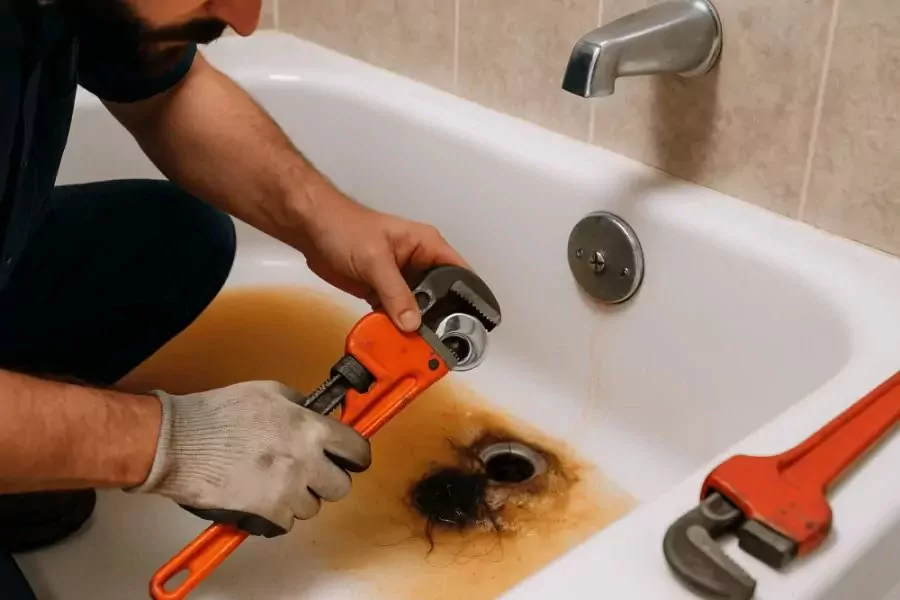
Slow-draining tubs and recurring clogs are some of the most common reasons homeowners search for bathtub drain repair in Bridge City TX. Gulf Coast humidity, older plumbing, and daily bathing habits can combine to create stubborn problems. Understanding what causes blockages and leaks is the first step to preventing emergencies and water damage. This guide explores the top issues, from hair and soap scum to failing gaskets and corroded drain shoes. You will also learn safe DIY steps, when to call a pro, and how maintenance saves money. For quick help, visit our homepage via bathtub drain repair Bridge City TX or schedule service through our contact page.
1. What actually causes most clogs before bathtub drain repair in Bridge City TX
Day-to-day bathing sends hair, soap residue, and skin oils straight into the drain. Over time, strands of hair tangle and catch lint, creating a net that traps debris. Bar soap reacts with minerals in hard water, forming sticky soap scum that narrows the pipe. In Bridge City, outdoor activities can add sand and fine grit to the mix after showers. Together, these materials create dense clogs that normal rinsing cannot break apart.
The P-trap beneath the tub is designed to hold water and block sewer gas. Unfortunately, it is also a frequent choke point for buildup and foreign objects. Toys, bobby pins, and dropped caps can lodge in the trap and collect sludge. If your home has older galvanized or undersized drain lines, restrictions get worse. These conditions make slow drains develop into full blockages faster.
Local water quality can influence how quickly tub drains clog in Bridge City. Hardness levels encourage mineral scale that roughens pipe interiors. Rough surfaces let hair and scum stick more easily and resist flushing. If you notice white crust near fixtures, mineral buildup is likely inside the drain too. A water softening system can help reduce future accumulation.
Improper venting or flat drain slopes are less obvious causes of slow tubs. Without proper vent airflow, water can gurgle and move sluggishly. Flat or back-pitched drain lines fail to carry away waste efficiently. Homes that have settled can develop these slope issues over time. Professional inspection is the best way to confirm and correct them.
Several early signs indicate a clog is forming in your bathtub. Water puddles longer than usual after a shower or bath. You might hear gurgling noises as water fights through an obstruction. Odors can rise from decaying debris in the drain body or trap. Responding early with safe clearing methods prevents urgent repairs.
2. Hidden leaks that require bathtub drain repair in Bridge City TX
Not every drain problem is a visible clog at the strainer. Many repairs focus on the drain shoe, waste-and-overflow assembly, or gaskets behind the tub wall. The drain shoe connects the strainer to the trap and can corrode or loosen. The overflow plate's gasket can dry out and leak behind the tub. These leaks may only show up as ceiling stains or soft walls below a bathroom.
Bridge City's humidity can accelerate rubber gasket wear and metal corrosion. Frequent use of strong chemicals makes deterioration even faster. When gaskets fail, water escapes each time the tub fills or drains. Because the leak is hidden, damage can spread before it is discovered. Timely inspection keeps repair costs from escalating.
Loose or cracked strainer bodies also cause subtle leak paths. Caulk around the tub drain can shrink, leaving capillary gaps. Improperly tightened slip nuts on the waste-and-overflow assembly weep under pressure. A telltale sign is moisture or musty smells in an adjacent cabinet or room. If water appears after bathing, a concealed leak is likely.
We have seen several Bridge City cases where upstairs tubs created downstairs ceiling damage. In one home, a deteriorated overflow gasket dripped for months with no surface clue. The homeowner noticed only a faint yellow ring on the ceiling paint. Opening the ceiling revealed soaked insulation and mold on framing. After replacing the gasket and drying the cavity, the issue was resolved.
Pro diagnostics make hidden leak detection more precise and efficient. Technicians can use camera inspection through accessible points to view connections. Dye tests in the tub also help pinpoint whether leaks occur at the drain or overflow. Moisture meters can map wet areas behind walls and below floors. Finding the source quickly prevents structural problems and health risks.
3. Safe DIY steps vs pro bathtub drain repair in Bridge City TX
Homeowners can often resolve early-stage clogs with safe, simple methods. Start by removing and cleaning the strainer to pull out hair mats. Use a plastic drain zipper tool to extract debris without damaging pipes. Try a dedicated enzyme cleaner rather than harsh chemicals for buildup. Rinse with hot water to flush loosened residue from the line.
Avoid mixing or overusing chemical drain openers when clearing tubs. Caustic products can warp gaskets and corrode metal components. Mixing different chemicals risks dangerous reactions and fumes. The cost of replacing a drain assembly outweighs any temporary clearing. Choose mechanical or enzymatic methods to protect your plumbing.
When clogs persist or leaks are suspected, licensed pros should step in. A professional can snake the line past the P-trap without harming finishes. If needed, a camera can verify whether the clog sits deeper in the branch. Hydro-jetting may be recommended for severe soap and grease buildup. Repairs to the overflow or drain shoe need proper sealing and testing.
Beyond immediate fixes, upgrades can reduce future problems significantly. Installing a high-quality hair catcher at the strainer prevents most obstructions. Replacing an old, corroded tub shoe improves sealing and service longevity. If scale is heavy, descaling or a softener helps keep interiors smooth. Scheduling annual drain cleaning keeps small issues from escalating.
For clarity, use this simple action sequence to decide next steps. Acting promptly lowers risk and repair cost for Bridge City households. The steps help separate DIY tasks from professional-level repairs. Use them whenever a slow drain first appears in your bathroom. Keep your plumber's number handy for quick escalation when needed.
Clogs and leaks form gradually, but fast action prevents costly bathtub damage. Now you know the common causes, early warning signs, and safe DIY steps. When problems persist or leaks appear, professional help protects your home. 409 Plumbing serves Bridge City, Orange, and Beaumont with prompt diagnostics and repairs. Call 409 Plumbing at 409-444-0066. For service details, explore our drain cleaning services and request help via our contact form today.
Resources About Bathtub Drain Repair
Frequently Asked Questions About Bathtub Drain Repair
How do I know if my bathtub clog is local or part of a main line problem?
Start by checking whether the backup is isolated to the tub. If sinks and toilets drain normally, the clog is probably local to the tub line. Gurgling in nearby fixtures or multiple slow drains suggests a branch or main issue. Water backing up into the tub when the washer drains is another red flag. A professional camera inspection can quickly confirm the clog location.
Are chemical drain cleaners safe for my bathtub drain and gaskets?
Frequent or mixed chemical use can damage rubber gaskets and corrode metals. These products may clear a small blockage but shorten the life of the drain assembly. Residual chemicals can also be hazardous if later snaking stirs them up. Mechanical tools and enzyme cleaners are safer long-term options. Review guidance from the EPA's Safer Choice program for safer cleaning products you can use at home.
What should I expect during a professional bathtub drain repair visit?
Your technician will begin with an assessment, including questions about symptoms and timelines. They may remove and clean the strainer, then snake the line through the tub drain. If leaks are suspected, dye testing or a moisture meter may be used. For component issues, gaskets, the drain shoe, or the overflow can be replaced. The final step includes thorough leak testing and cleanup of the work area.
How often should I schedule preventive drain maintenance in Bridge City?
For households with long hair or frequent bathing, plan quarterly cleaning. Homes with hard water benefit from semiannual descaling or softener checks. Annual camera inspections are helpful for older plumbing or recurring issues. Proactive steps reduce emergency calls and extend the life of tub components. A maintenance plan keeps small clogs from becoming weekend disruptions.

Registered Master Plumber Texas State Board of Plumbing Examiners
RMP #44702
Licensed and Bonded
Cities Serviced
409 Plumbing
Follow Us On
© 2026 409 Plumbing. All Rights Reserved.
Website Design and Hosting Provided by LocalBizBuzz,co