
24 Hour Service
Call 409-444-0066
Common Issues and Solutions for Tankless Water Heater Repair in Orange
Practical fixes for homeowners in Orange facing tankless water heater problems, ensuring hot water is always available.
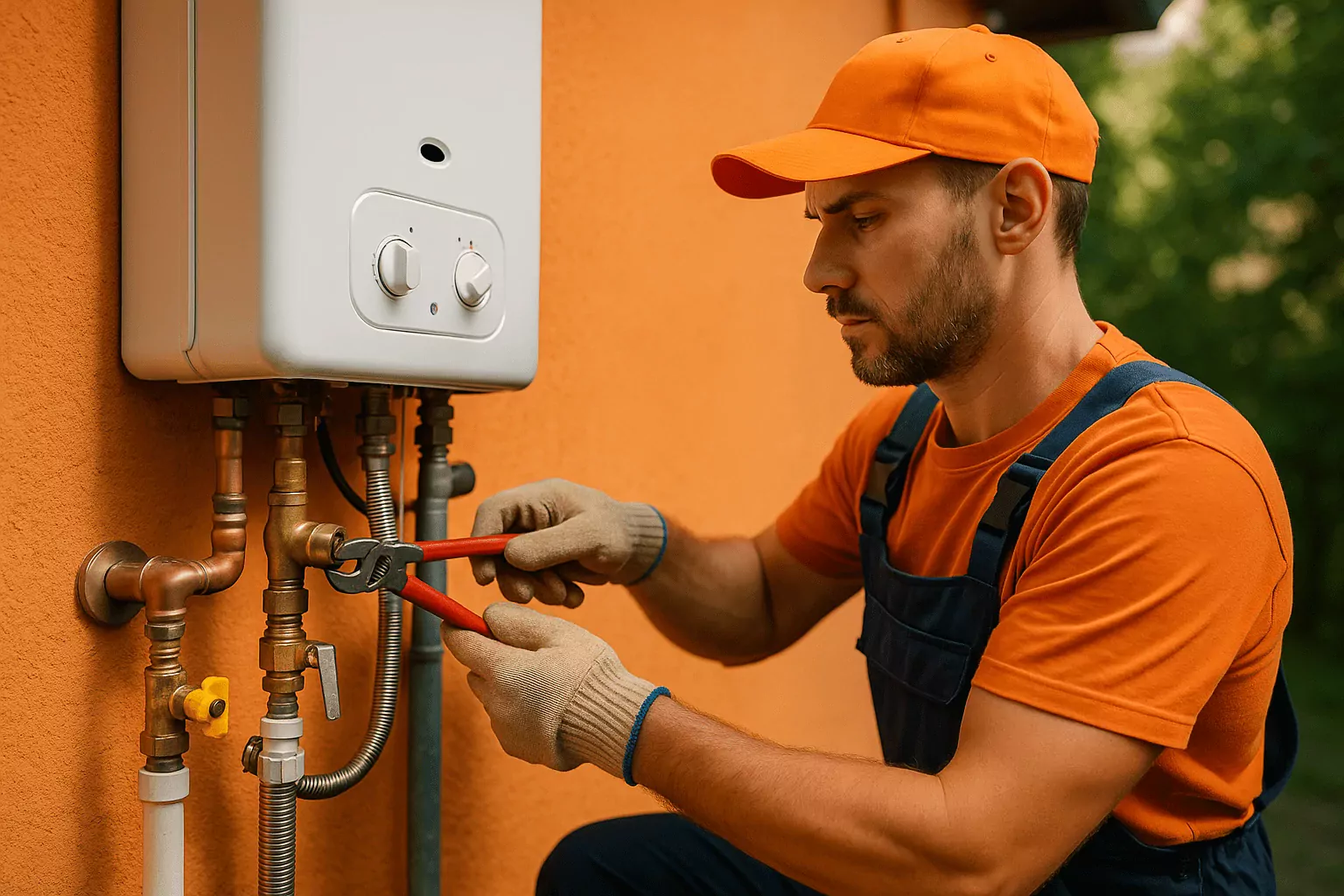
If your showers turn cold or your utility bills spike, you may be facing the kinds of challenges that call for expert tankless water heater repair Orange homeowners trust. Tankless, or on-demand, systems are efficient, but they still need the right maintenance, sizing, and setup to perform perfectly year-round in Southeast Texas. In neighborhoods across Orange, Beaumont, and Bridge City, we see recurring patterns: scale buildup from hard water, undersized units, and venting or gas supply issues. Understanding these common problems can save you money, prevent emergencies, and extend your heater's lifespan. In this guide, we break down symptoms, root causes, and real fixes based on local case studies and proven methods. Whether you want DIY tips or to know when to call a pro, you will find clear, actionable steps to keep hot water flowing reliably.
No-hot-water and temperature swings: Fast diagnostics for tankless water heater repair Orange
When there is no hot water at all, start with the basics before assuming a failed heat exchanger. Verify power and fuel: confirm the dedicated breaker is on, the GFCI is not tripped, and the gas valve is fully open with no recent utility interruptions. Many units display error codes that immediately narrow the root cause; check your screen for codes related to ignition failure, flow, or flame detection and consult the manufacturer guide. Next, confirm adequate flow by opening a hot tap fully; tankless units have minimum flow thresholds and will not fire if the rate is too low. Finally, inspect inlet water temperature, as colder seasonal groundwater in Orange and Beaumont can expose marginal sizing or restricted flow that prevents setpoint from being reached.
Temperature fluctuations, often called the cold water sandwich, typically point to flow instability or partial scale obstruction. We often find clogged inlet screens or partially closed isolation valves after remodels, reducing consistent flow across the heat exchanger. If your family runs multiple fixtures simultaneously, the unit may be undersized in BTUs or GPM capacity, causing output temperature to dip as demand spikes. A recirculation system or smart control with demand logic can help stabilize delivery in larger homes with long piping runs. We also see thermostatic mixing valves set too low or malfunctioning, blending excess cold into the line and creating fluctuations that mimic burner issues.
In a recent Orange, TX service call, a homeowner reported alternating hot-cold bursts in evening showers. Our diagnostic found a slightly fouled flow sensor and mineral scale partially blocking the heat exchanger, combined with two showers, a dishwasher cycle, and laundry pulling a combined 7 GPM. After descaling, cleaning the sensor, and recalibrating the temperature plus advising a staggered-use routine, the symptom disappeared. The long-term solution included discussing either upgrading to a higher-capacity model or adding a buffer tank to absorb peak surges. These targeted steps illustrate why accurate diagnostics matter more than guesswork for reliable tankless performance.
Scale buildup and water quality: Maintenance-driven solutions for tankless water heater repair Orange
Hard water in Southeast Texas is the top culprit for reduced performance, noise, and premature heat exchanger wear. Mineral scale insulates the heat-transfer surfaces, forcing longer burner cycles, higher gas usage, and eventual overheating error codes. Signs of scale include sizzling sounds, unstable outlet temperatures, and error codes tied to temperature rise or combustion limits. Seasonal descaling with a pump, hoses, and food-grade vinegar or a manufacturer-recommended solution restores efficiency and preserves warranties. Homeowners who flush annually usually report faster hot water delivery, lower energy use, and fewer mid-shower surprises.
Proactive water quality management can prevent many repair calls in Orange and Bridge City. A properly sized sediment filter at the cold inlet protects the flow sensor and valves, while a scale-reduction device or softener reduces mineral precipitation in the heat exchanger. Consider professional testing to measure hardness in grains per gallon; above 7 gpg typically warrants a conditioner to protect the system. Manufacturers such as Rinnai and Navien outline maintenance intervals and approved chemical solutions in their manuals, and following these guidelines keeps your warranty intact. For a deeper dive into tankless technology and maintenance best practices, see the U.S. Department of Energy's overview of demand-type water heaters and ENERGY STAR guidance.
We recently serviced a Beaumont homeowner who experienced frequent ignition lockouts and lukewarm water. Our inspection revealed heavy scaling that had triggered overheat protection and a partially clogged inlet screen. After a full descale, sensor cleaning, and a new sediment filter, the unit returned to spec temperatures with a smoother burner profile. The homeowner added a compact, cartridge-based scale inhibitor to reduce future buildup, and we set a digital reminder for semiannual checks. This maintenance-first approach turned a repeat problem into a set-it-and-forget-it routine with predictable operating costs.
Error codes, sensors, and fuel or venting faults: Getting precise with tankless water heater repair Orange
Modern tankless systems are self-diagnostic, and error codes are your best shortcut to a correct repair. For example, ignition or flame-failure codes may indicate a dirty flame sensor, low gas pressure, or blocked combustion air. Temperature-rise codes can reflect scale, restricted flow, or a failing thermistor reading out of range. Electrical issues can be as simple as a tripped GFCI, a loose ground, or a failing control board capacitor after a lightning event. Always record the exact code and conditions when it appears to guide efficient troubleshooting.
In gas models, correct fuel delivery and venting are non-negotiable. We frequently find undersized gas lines on retrofits, particularly in older Orange homes where the run length and total BTU load were underestimated. Inadequate gas supply starves the burner, causing weak heating performance and sporadic shutdowns; a licensed technician can calculate total load and verify static and dynamic pressure. Likewise, improper vent lengths, sagging sections, or mixed-material terminations can cause condensate pooling or recirculation of flue gases, triggering safety shutdowns. Correcting these issues often resolves chronic nuisance codes without replacing parts.
One Bridge City case involved repeated E-type codes and lukewarm output after a remodel. Our pressure test showed the new kitchen range and outdoor grill exceeded the home's gas line capacity, causing pressure drops at the water heater under simultaneous use. We upsized the branch line, rebalanced BTU allocations, and verified combustion with a manometer test at peak load. Post-repair monitoring confirmed stable temperatures and zero faults over 60 days. This illustrates how the right measurements beat trial-and-error part swaps every time.
Sizing, recirculation, and installation corrections: Long-term success with tankless water heater repair Orange
Even perfectly functioning components cannot overcome mis-sizing or poor layout. Tankless systems must be matched to your home's peak simultaneous demand at local groundwater temperatures, which can be notably cool in winter. If your unit is rated for 6 GPM at a 70-degree rise but your evening routine hits 8 GPM, the outlet temperature will fall short. We calculate expected fixture flow, desired setpoint, and seasonal inlet temperature to determine the right GPM and BTU rating. When replacement is not immediate, a buffer tank or staged usage plan can provide a practical bridge.
Recirculation can be a game changer in Orange homes with long pipe runs to upstairs baths or remote kitchens. Dedicated return lines paired with smart pumps minimize wait times and reduce water waste, while crossover-style kits can help when no return line is present. Controls that learn usage patterns or accept push-button activation deliver hot water when you need it without 24/7 recirculation energy costs. Proper insulation and check-valve placement prevent unintended heat loss or backflow that can confuse temperature sensors. The net effect is better comfort, lower waste, and reduced burner short-cycling.
Installation corrections frequently deliver the biggest performance gains per dollar. We have resolved chronic complaints by adding full-port isolation valves, relocating the unit to shorten vent runs, or switching to manufacturer-approved vent materials. Electrical upgrades, such as dedicated circuits for electric models or surge protection for controls, reduce nuisance trips and extend lifespan. After corrective work, we always document inlet/outlet temps, delta-T, and flow rates to prove the fix. If you are weighing upgrade options, review our tankless water heater services and set a convenient time to evaluate your system and layout.
From scale buildup and flow restrictions to venting or gas-sizing errors, most performance problems have a clear path to resolution when you follow a structured diagnostic process. Regular maintenance, correct sizing, and attention to installation details will keep your tankless system efficient and reliable in Orange's climate. If you are comparing options or planning upgrades, a professional evaluation can reveal simple fixes that outperform costly guesswork. For trusted local help, contact 409 Plumbing at 409-444-0066. Explore our tankless water heater services, call to schedule service, and read our maintenance tips to stay ahead of problems.
Resources About Tankless Water Heater Repair
Frequently Asked Questions About Tankless Water Heater Repair
How often should I flush my tankless water heater in Orange, TX?
For most homes in Orange and Beaumont, an annual flush is the baseline, but water hardness and usage patterns may justify semiannual service. Households with large families, high shower counts, or frequent laundry cycles expose the heat exchanger to more mineral precipitation. If you hear hissing, notice longer waits for hot water, or see temperature fluctuations, schedule a flush sooner. Installing service valves and a scale-reduction device lowers the frequency and cost of descaling. Keep a simple log of flush dates and any error codes to spot patterns before they become breakdowns.
What are the signs I need professional repair instead of DIY?
Repeated error codes, ignition failures, or lukewarm water under normal demand levels warrant a professional evaluation. If you suspect gas pressure, venting, or electrical grounding issues, call a licensed technician for safety and compliance reasons. Visible corrosion, soot on vent terminations, or water drips inside the cabinet signal conditions that can rapidly escalate. DIY steps like cleaning inlet screens, checking breakers, and verifying setpoint are helpful, but deeper diagnosis needs proper tools. A pro will perform gas-line sizing checks, manometer testing, combustion analysis, and sensor readings to pinpoint root causes accurately.
Is my tankless unit too small for my home's hot water needs?
If hot water temperatures drop during simultaneous use (two showers plus dishwasher), your unit may be undersized for peak demand. Seasonal groundwater temperature swings also reduce effective capacity, requiring higher BTU output to achieve the same setpoint. A right-sized unit is selected based on desired temperature rise and total GPM at peak times, not just bedroom or square footage counts. We can model your exact fixtures, flow rates, and inlet temperatures to recommend an optimal capacity or practical upgrades like a buffer tank. This approach ensures steady comfort without overpaying for excess capacity you will not use.
What external resources can I trust for maintenance and efficiency tips?
Start with the U.S. Department of Energy's page on demand-type water heaters for unbiased fundamentals and efficiency insights. ENERGY STAR offers product criteria and best practices that help you compare options on performance and rebates. Your manufacturer's official troubleshooting and maintenance guides provide code definitions and approved cleaning solutions. Cross-referencing these with local building codes and utility recommendations ensures safe, compliant operation. When in doubt, verify any online advice against your specific model's manual and local conditions in Orange, TX.
Do you service Beaumont and Bridge City in addition to Orange?
Yes, 409 Plumbing proudly serves Orange, Beaumont, and Bridge City with same-day or next-day appointments whenever possible. Our local technicians are familiar with the region's water quality and common installation pitfalls in area homes. We carry descaling kits, sensors, and common replacement parts on our trucks to speed up repairs. Whether you need diagnostics, annual maintenance, or a full replacement, we tailor solutions to your home's layout and hot water habits. Call 409-444-0066 to confirm availability and get a convenient service window.
Registered Master Plumber Texas State Board of Plumbing Examiners
RMP #44702
Licensed and Bonded
Cities Serviced
409 Plumbing
Follow Us On
© 2026 409 Plumbing. All Rights Reserved.
Website Design and Hosting Provided by LocalBizBuzz,co