
24 Hour Service
Call 409-444-0066
Common Issues and Solutions for Hot Water Heater Repair in Orange
Solve your hot water heater problems in Orange with practical tips and effective solutions for quick repairs.
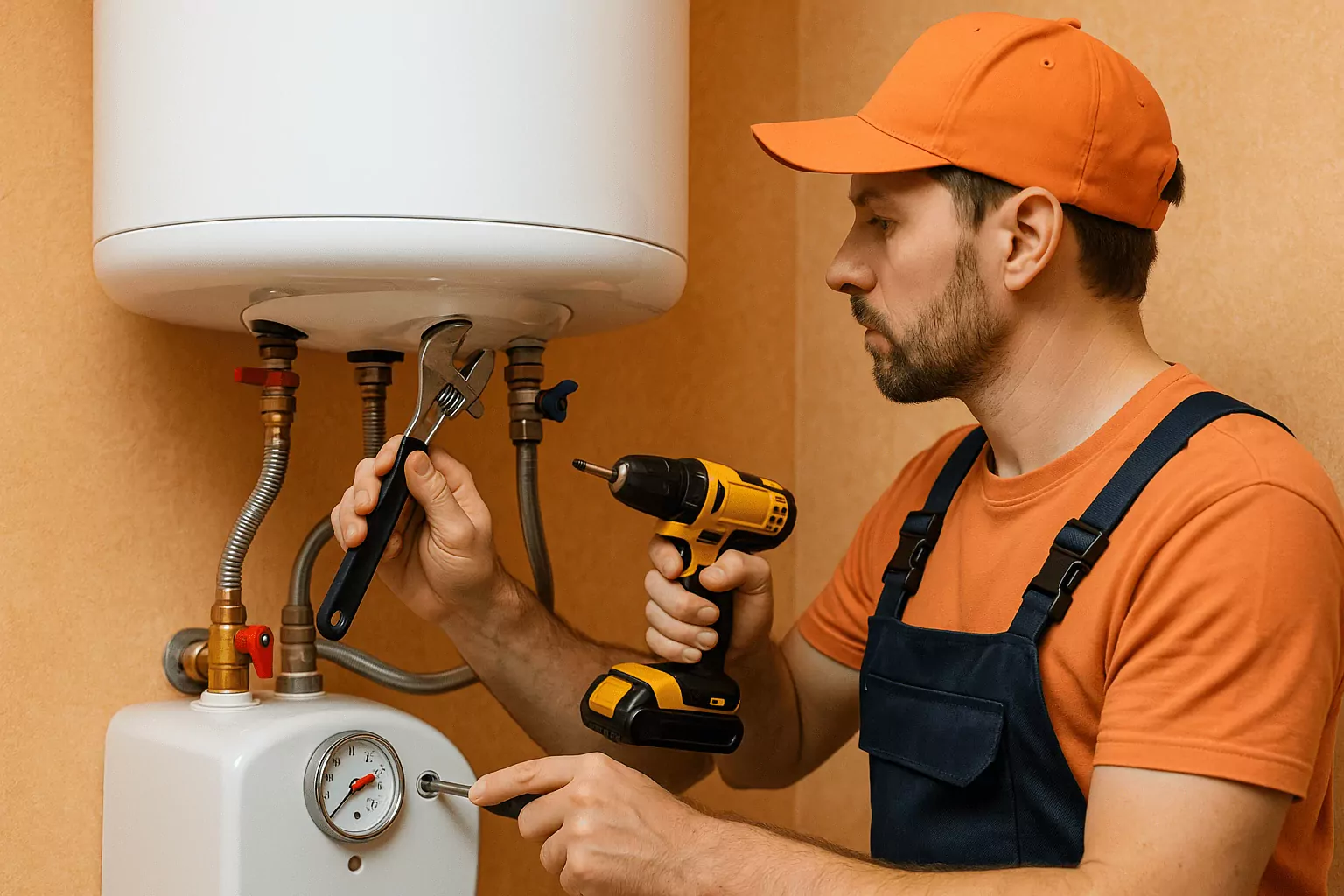
When you need fast, reliable hot water heater repair Orange homeowners can trust, knowing the common symptoms and fixes saves time and money. From lukewarm showers to sudden leaks or error codes, a little insight helps you decide what to check first and when to call a pro. In this guide, you will learn how to troubleshoot gas, electric, and tankless models with clear, safety-focused steps. We will also share real-world examples from Orange, Beaumont, and Bridge City to illustrate proven solutions. You will find maintenance tips that boost efficiency, extend equipment life, and lower energy bills for local households. If you prefer expert help, 409 Plumbing is nearby with same-day service and trusted local experience.
Diagnosing no hot water and temperature swings: hot water heater repair Orange
No hot water usually points to a failed heating source or a control issue, and methodical checks prevent guesswork. For gas tanks, confirm the gas supply is on, relight the pilot if applicable, and inspect the thermocouple or igniter. For electric tanks, verify the breaker is not tripped, then test upper and lower heating elements and thermostats. Temperature swings often result from a malfunctioning mixing valve, sediment coating the elements, or a failing dip tube. In Orange, we frequently restore consistent temperatures by recalibrating thermostats and replacing worn elements after years of mineral exposure. When these core components work correctly, stable, safe water temperatures return quickly.
If you are unsure where to begin, start with basic safety and manufacturer guidelines before deeper testing. Confirm the thermostat setting is between 120 and 125 degrees Fahrenheit to balance comfort, efficiency, and scald protection. Inspect accessible wiring and connections only if the unit is off and locked out, and never bypass safety devices. For a step-by-step walkthrough and a friendly local hand, bookmark our page for hot water heater repair Orange and consider our broader plumbing menu on the services page. We also recommend reviewing the U.S. Department of Energy's guidance on efficient water heating at energy.gov for additional context. Clear, safe checks paired with good references keep small issues from escalating into costly breakdowns.
Stopping leaks, flushing sediment, and silencing rumbling tanks in Orange
Leaks are urgent because even slow drips can damage floors, walls, and substructures, especially in utility closets common across Orange. If water appears at the top, suspect a loose inlet, outlet, or dielectric union, while puddles at the base may indicate a failing drain valve or tank. The temperature and pressure relief valve (T&P) is vital safety equipment; if it weeps persistently, do not cap it, and call a licensed plumber. Rumbling or popping noises usually mean sediment has settled and hardened on the tank bottom, forcing the burner or elements to work harder. A thorough flush and, when needed, a professional descaling can quiet the tank and restore efficiency. For added safety background, review federal guidance on water heating systems at energy.gov before attempting maintenance.
We solved a persistent rumble for a family near MacArthur Drive by performing a two-stage flush and fitting a high-quality sediment filter. After the service, recovery time improved, energy use dropped, and the noise disappeared, making showers more consistent. In another Orange home, a slow leak traced to a corroded anode rod plug led to installing a powered anode, extending tank life. If your tank is nearing end-of-life or leaks from the shell, replacement is the safest path to avoid sudden failure. For parts-level leaks, repairs and proactive maintenance often provide years of reliable service at a fraction of replacement cost. You can always reach us through our contact page for same-day assistance and honest recommendations.
Electric vs gas and tankless considerations for hot water heater repair Orange
Electric systems concentrate diagnostics on breakers, thermostats, elements, and wiring integrity, all of which require safe lockout procedures. A tripped breaker may signal a shorted element, while lukewarm water could indicate a bad lower element or miscalibrated thermostat. Gas systems demand careful attention to combustion air, venting, and ignition, along with burner cleanliness and sensor condition. If you smell gas, evacuate and contact your utility before any inspection, then call a licensed pro for testing. Proper draft and venting are critical to prevent backdraft and carbon monoxide concerns, so never operate with compromised vent pipes. For general home safety awareness related to fuel-burning equipment, see the National Fire Protection Association at nfpa.org.
Tankless units bring their own set of clues such as error codes, ignition delays, or lukewarm output under higher demand. In many Orange homes with moderate hardness, annual descaling with a pump kit and vinegar solution keeps heat exchangers efficient. If shower temperatures drop when appliances run, a flow sensor or undersized unit may be the culprit, and a pro can recalibrate or recommend upgrades. We often resolve tankless short-cycling by cleaning inlet screens, confirming gas supply and pressure, and updating firmware when supported. For ongoing tips, visit our article on seasonal care at water heater maintenance to reduce surprises year-round. When error codes persist, a factory-authorized service call typically prevents guesswork and restores performance quickly.
Preventive maintenance, efficiency upgrades, and when to call 409 Plumbing
Routine maintenance pays for itself by extending life, stabilizing temperatures, and improving recovery times for busy households. Flushing tanks each year removes mineral layers that force burners and elements to work longer, boosting overall efficiency. Inspecting or upgrading the anode rod every two to three years slows internal corrosion and defers premature tank failure. Testing the T&P valve annually verifies a crucial safety function and should follow manufacturer steps for safe discharge and reset. For broader efficiency wins, consider insulating hot lines, installing a mixing valve for safer 120-degree settings, and exploring high-efficiency upgrades. The Department of Energy provides practical maintenance and efficiency insights at energy.gov that align well with local homes.
We helped a Beaumont customer cut energy use after frequent reheat cycles by replacing a calcified lower element and adding a timer. In Bridge City, a family with heavy laundry demand stabilized temperatures by pairing a mixing valve with a maintenance flush and an anode upgrade. Orange homeowners often see quick gains from basic steps like recalibrating thermostats, sealing vent penetrations, and adding pipe insulation near the heater. If DIY checks do not resolve the issue or if you spot scorch marks, electrical smells, or water near wiring, call a licensed pro immediately. For fast scheduling and transparent pricing, reach our team at 409 Plumbing via the contact form or by phone at 409-444-0066. We are local, responsive, and equipped for same-day diagnostics across Orange, Beaumont, and Bridge City.
Local codes, warranties, and permitting insights for Orange homeowners
Permits and inspections protect safety, insurance coverage, and resale value when replacing or relocating a water heater. The City of Orange provides helpful resources and contacts at orangetexas.gov, and licensed contractors can navigate submittals quickly. Proper venting, seismic strapping where required, and drain pan installation are common inspection checkpoints that prevent downstream issues. For warranty protection, keep maintenance records, ensure approved parts are used, and file serial numbers for future claims. Many manufacturers require professional installation and periodic service, especially for tankless models with more complex controls. By aligning repairs and upgrades with code and warranty terms, you gain safer performance and fewer surprise costs.
We encourage homeowners to keep a simple binder or digital folder for every water heater in the house. Include the purchase receipt, model and serial numbers, permit sign-offs, annual maintenance notes, and any part replacements. Track water quality test results to support decisions on descaling frequency or powered anodes that resist localized corrosion. Photos of piping, venting, and the data plate help technicians bring the right parts on the first visit. When in doubt, call 409 Plumbing for a quick code and warranty review before you buy parts or schedule a replacement. A few minutes of preparation can prevent delays, rework, and unexpected expenses during hot water heater repair Orange projects.
From lukewarm showers to mystery leaks, diagnosing and fixing hot water issues starts with safe checks and smart prioritization. When you need dependable, local help, 409 Plumbing brings experience, fast scheduling, and code-compliant solutions across Orange, Beaumont, and Bridge City. Visit our services and contact pages to schedule today, or call 409-444-0066 for same-day assistance.
Frequently Asked Questions About Water Heater Repair
Why is my water heater only giving warm, not hot, water?
Warm water usually means the system heats but cannot reach or hold the setpoint under real demand. For tanks, a failing lower element, heavy sediment, or a broken dip tube can all dilute or limit hot output. Gas units may have partially blocked burners or a weak thermocouple that interrupts steady heating cycles. For tankless models, restricted inlet screens or scale on the heat exchanger often reduce effective heating capacity. Start with a thermostat check, inspect for sediment, and note any error codes to streamline diagnosis. If you need help prioritizing steps, call 409 Plumbing for a quick assessment and an action plan.
How often should I flush my tank or descale my tankless unit in Orange, TX?
Most tanks benefit from annual flushing, while tankless units typically need descaling every 12 months in areas with moderate hardness. Homes with heavy usage or visibly cloudy fill water may require service twice yearly to maintain peak performance. If you hear rumbling or notice longer reheat times, move up the schedule and consider adding a sediment prefilter. Follow the manufacturer's instructions, and always power down and close valves before starting any maintenance. For general guidance on water heating efficiency and upkeep, the Department of Energy's overview at energy.gov is an excellent reference. If you would rather have a pro handle it, our technicians perform thorough flushes and descaling with clean, documented steps.
Is it better to repair or replace an older water heater?
The decision depends on age, tank condition, repair cost, and energy efficiency gains from a new model. Traditional tanks often last 8 to 12 years, and frequent repairs near the end of life can outpace replacement value. If the tank shell is leaking, replacement is the only safe option because internal corrosion cannot be reversed. For tankless units, persistent error codes or heat exchanger failures may tip the balance toward an upgrade, especially if parts are scarce. Consider utility rebates, recovery time improvements, and fuel savings when weighing new high-efficiency options. A quick on-site evaluation from 409 Plumbing will compare both paths so you can choose confidently.

Registered Master Plumber Texas State Board of Plumbing Examiners
RMP #44702
Licensed and Bonded
Cities Serviced
409 Plumbing
Follow Us On
© 2026 409 Plumbing. All Rights Reserved.
Website Design and Hosting Provided by LocalBizBuzz,co