
24 Hour Service
Call 409-444-0066
Common Dishwasher Plumbing Issues in Orange TX and How to Fix Them
Solve your dishwasher plumbing problems in Orange TX with easy fixes and expert tips for homeowners.
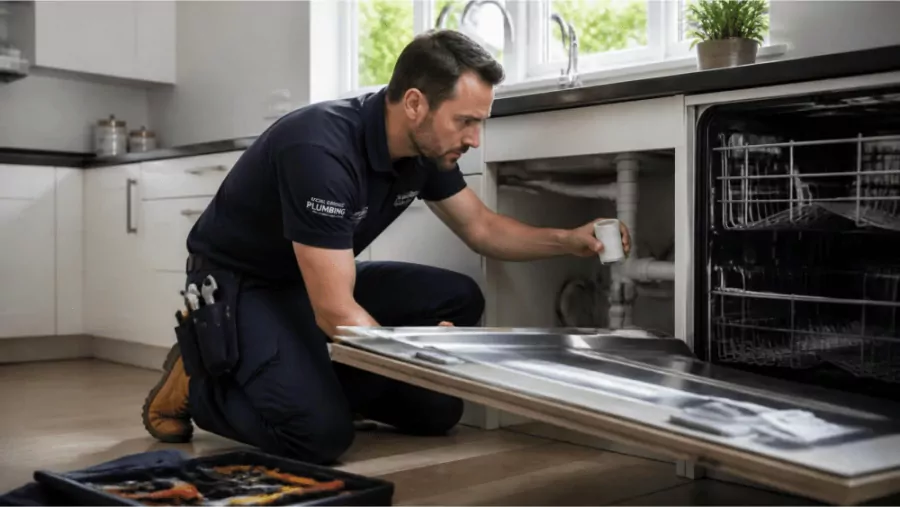
Dishwashers are a vital appliance in many households, providing convenience and efficiency in the kitchen. However, like any other appliance, they can encounter plumbing issues that disrupt their functionality. Homeowners in Orange, TX often face a variety of problems related to dishwasher plumbing Orange TX, which can lead to frustration and costly repairs if not addressed promptly. Understanding these common issues and their solutions can save time and money, ensuring your dishwasher operates smoothly. This article will explore prevalent dishwasher plumbing problems, how to troubleshoot them, and effective fixes to keep your appliance running efficiently. Let's dive into the world of dishwasher plumbing issues and discover how to overcome them.
1. Clogged Drain Lines
One of the most common issues with dishwasher plumbing is clogged drain lines. Over time, food particles, grease, and soap residue can accumulate in the drain hose, leading to poor drainage or even backflow. Homeowners often notice water pooling at the bottom of the dishwasher or slow drainage during cycles. For example, a family in Orange recently experienced this issue, and upon inspection, they found that a buildup of food particles had completely blocked the drain hose.
To fix a clogged drain line, start by disconnecting the drain hose from the dishwasher and checking for visible blockages. You can use a plumbing snake or a straightened coat hanger to remove stubborn debris. Additionally, flushing the hose with hot water can help dissolve any remaining buildup. Regular maintenance, such as rinsing off dishes before loading them, can prevent clogs from forming in the first place.
2. Leaking Hoses
Leaking hoses are another prevalent problem affecting dishwasher plumbing in Orange, TX. Over time, hoses can become worn or damaged due to constant movement and pressure. This leads to leaks that can cause water damage to your kitchen floor and cabinetry. For instance, a homeowner noticed water pooling under their dishwasher, prompting them to investigate the hoses connected to the appliance.
To address leaking hoses, first, turn off the water supply to the dishwasher. Inspect all hoses for cracks or loose connections. If you find any damaged hoses, they will need to be replaced. Make sure to use high-quality replacement hoses that are compatible with your dishwasher model. Regularly checking the hoses and ensuring they are securely connected can prevent future leaks.
3. Faulty Water Inlet Valve
The water inlet valve controls the flow of water into your dishwasher, and a malfunctioning valve can lead to various issues. If the valve fails to open, the dishwasher may not fill with water, causing it to run empty. Conversely, if it remains open, it can lead to overflows and leaks. A homeowner in Beaumont faced this issue when their dishwasher ran with minimal water, resulting in poorly cleaned dishes.
To troubleshoot a faulty water inlet valve, check for any obstructions or debris that may prevent it from functioning properly. If the valve is damaged, it will need to be replaced. You can often find replacement valves at local hardware stores or online. Regular maintenance and inspection can help identify potential issues before they escalate.
4. Drain Pump Malfunction
The drain pump is responsible for expelling water from the dishwasher after each cycle. If the pump malfunctions, you may hear strange noises or notice water still in the bottom of the appliance after a cycle. For instance, a family in Bridge City discovered their dishwasher was not draining properly, leading to foul odors and standing water.
To fix a malfunctioning drain pump, first, ensure that it is not clogged with debris. If the pump is damaged or worn out, it may need to be replaced. This job can be complex, so if you're not comfortable, it's advisable to contact a professional plumber. Regular cleaning of the filter and checking the pump for signs of wear can help extend its lifespan and ensure your dishwasher functions optimally.
Understanding common dishwasher plumbing issues in Orange, TX, can empower homeowners to troubleshoot and resolve problems efficiently. From clogged drain lines to leaking hoses and faulty valves, addressing these concerns promptly can save time and reduce repair costs. Regular inspections and maintenance are key to ensuring your dishwasher operates smoothly. If you encounter persistent problems or need professional assistance, don't hesitate to reach out to our team at 409 Plumbing. Contact us today at 409-444-0066 or visit our request a quote page for expert plumbing services. For more tips and resources, check out our blog! For further information on plumbing standards, you can visit the American Society of Plumbing Engineers (ASPE) or the U.S. Environmental Protection Agency (EPA) - WaterSense.
Frequently Asked Questions About Dishwasher Plumbing
What should I do if my dishwasher won't drain?
If your dishwasher won't drain, first check for clogs in the drain hose or filter. Remove any debris you find and ensure that the hose is properly connected. If the issue persists, inspect the drain pump for malfunctions or damage. It may also be wise to consult a professional if you're unable to resolve the problem, as they can provide expert assistance in troubleshooting and repairs.
How can I prevent leaks in my dishwasher?
Preventing leaks in your dishwasher involves regular maintenance and inspections. Check hoses for signs of wear and ensure they are tightly connected. Avoid overloading your dishwasher, as this can cause stress on the connections. Additionally, periodically inspect the door gasket for wear, as a damaged gasket can lead to leaks during cycles. Taking these proactive steps can help you avoid costly repairs and maintain your appliance's efficiency.
Can I repair my dishwasher myself?
Many common dishwasher plumbing issues can be addressed by homeowners with basic DIY skills. Problems like clogged drain lines, leaking hoses, and faulty water inlet valves can often be resolved with simple tools and replacement parts. However, if you encounter complex issues or feel uncomfortable performing repairs, it's best to contact a professional plumber for assistance. They have the experience and expertise to handle more complicated problems safely.
Registered Master Plumber Texas State Board of Plumbing Examiners
RMP #44702
Licensed and Bonded
Cities Serviced
409 Plumbing
Follow Us On
© 2026 409 Plumbing. All Rights Reserved.
Website Design and Hosting Provided by LocalBizBuzz,co