
24 Hour Service
Call 409-444-0066
Common Causes of Clogged Toilets and How to Repair Them in Beaumont TX
Identify the top reasons for clogged toilets and practical repair tips specifically for Beaumont, TX residents.
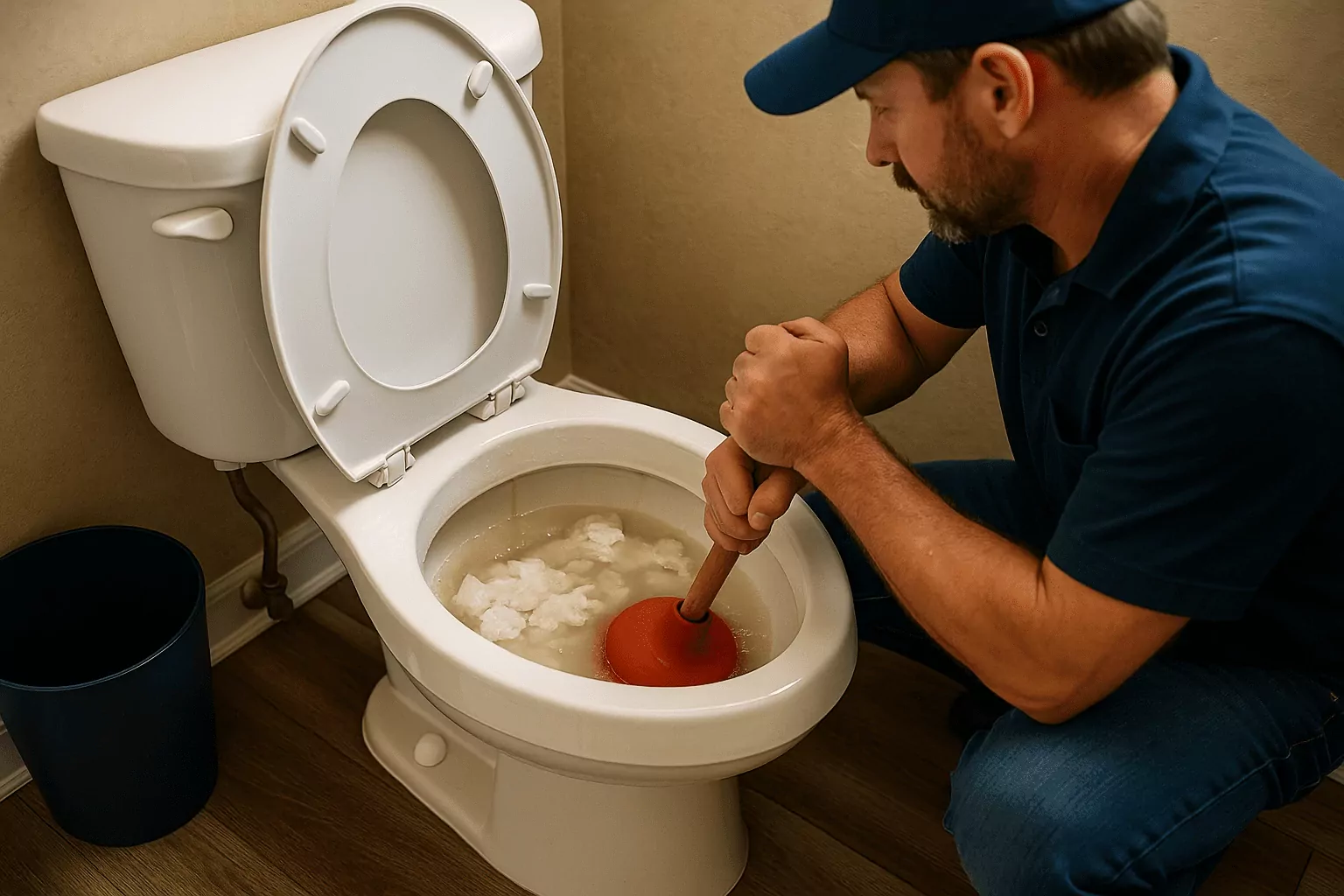
When a toilet backs up in Beaumont, the mess, stress, and potential water damage can escalate quickly. Between older sewer laterals in historic neighborhoods and heavy Gulf Coast rains that stress drainage systems, local homes face unique clog risks year-round. Understanding the causes helps you choose the right fix fast, cutting downtime and preventing repeat blockages. If you need fast help, bookmark this resource and remember that expert clogged toilet repair Beaumont TX is only a call away. In this guide, 409 Plumbing breaks down how clogs happen, what you can safely try first, and when to bring in a pro to protect your home. You will also find prevention strategies tailored to Southeast Texas conditions so your bathroom stays reliable.
Why Toilets Clog in Southeast Texas Homes: Everyday Causes and Local Factors for clogged toilet repair Beaumont TX
Most toilet clogs originate with what gets flushed, but local infrastructure and household habits play big roles. Excess toilet paper, non-flushable wipes, cotton swabs, and feminine products expand and snag inside the trapway. In many Beaumont and Orange neighborhoods, older cast-iron or clay lines develop rough interiors that catch debris and paper more easily. Hard water scale can narrow internal passages over time, making even normal paper amounts slow the bowl. Add in curious kids who test the limits with toys, and a minor blockage can turn into a stubborn stoppage.
Seasonal factors in Beaumont and Bridge City also influence toilet performance. After heavy rain, saturated ground and inflow into sewer systems reduce flow capacity, so borderline clogs become full blockages. Low-flow toilets from early water-saving eras sometimes lack the flush force to clear longer bowls or older pipes. Vent stack obstructions from leaves, bird nests, or Gulf winds restrict air movement, slowing the siphon effect that clears waste. Finally, subtle sewer line bellies or offsets cause recurring traps for solids, which is why some homes see repeat clogs in the same bathroom.
DIY Diagnosis and Safe First Steps for clogged toilet repair Beaumont TX
Before calling a pro, a few careful steps can solve many clogs without risking damage. First, stop the water rise by removing the tank lid and closing the flapper; this prevents overflow if the bowl is near full. Use a flange plunger, which seals better inside the toilet's outlet than a cup plunger, and plunge with slow, steady motions to avoid splashing. If the bowl is low, add hot (not boiling) water and a small amount of dish soap to lubricate the blockage, then try plunging again. Enzyme-based drain treatments can help overnight with organic buildup, but avoid chemical drain openers that can crack porcelain or harm seals.
If plunging fails, a toilet auger (closet auger) is the next safe tool because it is designed for porcelain bowls and tight bends. Insert the auger gently, crank to break apart or retrieve obstructions, and remove it carefully to avoid scratching. Be attentive to recurring patterns: for example, a clog that returns weekly or after storms usually signals a deeper line issue. When in doubt, press pause and protect the fixture-cracked wax rings, scratched bowls, and overflow damage cost more than a service call. For more self-help tips and service options, browse our toilet repair services and related home plumbing solutions, and check local guidance like the City of Beaumont Water Utilities resources on proper disposal.
When DIY Is Not Enough: Professional Repair Methods We Use in Beaumont for clogged toilet repair Beaumont TX
Some clogs hide beyond the trapway, where home tools cannot reach or diagnose effectively. Our technicians perform camera inspections to locate deeper obstructions such as roots, scale ridges, or construction debris in the lateral. If the blockage is tough, we use professional-grade augers or hydro-jetting to clear and scour the line walls back to near-original diameter. We also reset toilets with new wax rings or seals when leaks or rocking contribute to recurring clogs. In homes with older low-flow toilets, we may recommend performance testing or upgrades that maintain efficiency while improving flush power.
Case in point: a West End Beaumont homeowner experienced weekly clogs despite careful usage. A camera inspection found a minor belly with paper buildup 18 feet from the toilet, which responded well to targeted jetting and a short section regrade. In Bridge City, a rental property had chronic backups due to a partially collapsed clay lateral; a spot repair plus vent clearing ended the pattern. Another Orange, TX case involved a foreign object-an action figure lodged just past the trap-retrieved safely with a closet auger and mirror. These examples show why professional diagnostics pair well with the right mechanical solution, saving time and preventing repeat visits.
Prevention Playbook: Keep Your Beaumont Bathroom Flowing
Long-term reliability starts with habits and a few strategic upgrades. Make a simple bathroom rule: only flush human waste and toilet paper, and post a small reminder near guest bathrooms to avoid wipes and cotton products. Choose high-quality, septic-safe or quick-dissolve toilet paper that breaks down rapidly to reduce trapway hang-ups. If your home has hard water, consider periodic descaling or a water softening solution to minimize mineral buildup in toilet passages. Ask a professional to add or check a sewer cleanout, which makes future maintenance faster and less disruptive.
Proactive maintenance protects against weather-related backups common along the Gulf Coast. After major storms or fall leaf drops, have roof vents inspected and cleared to restore proper airflow. If your toilet gurgles when other fixtures drain, schedule a line evaluation to catch early blockages before they become emergencies. Track repeat clogs by location and timing, which helps pinpoint deeper line defects or infiltration issues for targeted repairs. For seasonal checklists and local tips, explore our home plumbing blog and see our full range of drain and toilet services.
Toilet clogs in Beaumont, Orange, and Bridge City usually trace back to what is flushed, local infrastructure, or weather-driven stresses on your drainage system. With safe DIY steps and clear warning signs in mind, you can handle minor issues and know when professional help will save time and prevent damage. 409 Plumbing combines precise diagnostics with effective clearing methods and long-term prevention to stop repeat clogs at the source. For immediate assistance or a preventative inspection, call 409 Plumbing at 409-444-0066. We serve Orange, TX, Beaumont, TX, and Bridge City, TX. Get quick scheduling through our contact form and explore more tips on our plumbing blog.
For expert help you can trust, schedule service now and keep your bathroom flowing smoothly year-round. Whether it is a stubborn backup, a slow bowl, or a recurring clog tied to deeper line issues, our local team is ready with the right tools and the right plan to restore full flush power safely.
Frequently Asked Questions About Clogged Toilet Repair
What should I never flush down a toilet?
Avoid flushing wipes (even those labeled flushable), paper towels, cotton swabs, feminine products, floss, and cat litter. These items do not break down like toilet paper and tend to snag on imperfections inside pipes. Grease and oils solidify and bind debris, so they should never go into toilets or drains. Medications should be disposed of through take-back programs rather than flushed, which can impact waterways and treatment systems. For authoritative guidance, see the EPA's advice on what not to flush at the EPA resource page.
Why does my toilet clog more during heavy Beaumont rains?
Heavy rains can increase infiltration into aging sewer systems, reducing effective flow and allowing small obstructions to become full clogs. Saturated soil can also stress private laterals, especially those with low spots or minor offsets that trap solids. If a roof vent is partially blocked, the reduced airflow becomes more noticeable during high-demand periods, weakening the flush. Homes at the end of long lateral runs or with dense tree roots may see more frequent rain-related issues. If your clogs correlate with storms, a camera inspection and jetting often resolve the underlying restriction.
Is it safe to use chemical drain openers in a toilet?
We do not recommend chemical drain openers in toilets because they can crack porcelain, degrade seals, and create hazardous fumes. Many are designed for sinks and tubs, not for the unique trapway and siphon action of a toilet. If the chemical does not clear the clog, it leaves caustic liquid in the bowl and trap that is dangerous for you and for any technician who works on the fixture. Safer approaches include a flange plunger, hot water with mild soap, and a toilet auger. When those do not work, professional mechanical clearing is both safer and more effective.
How much does clogged toilet repair cost in Beaumont TX?
Prices vary with the cause, severity, and whether the clog is in the fixture or farther down the line. Simple plunging or augering at the fixture is typically the most affordable, while camera inspections and jetting add diagnostic and equipment time. General ballparks can range from basic clearings to more involved line restorations when defects are present. We provide upfront pricing after an on-site assessment so you know the exact cost before work begins. Call 409 Plumbing for a fast estimate and options that fit your home and budget.
Registered Master Plumber Texas State Board of Plumbing Examiners
RMP #44702
Licensed and Bonded
Cities Serviced
409 Plumbing
Follow Us On
© 2026 409 Plumbing. All Rights Reserved.
Website Design and Hosting Provided by LocalBizBuzz,co