
24 Hour Service
Call 409-444-0066
A Complete Guide to Water Heater Thermostat Replacement in Beaumont
Step-by-step instructions for homeowners in Beaumont to replace their water heater thermostat and improve energy efficiency.
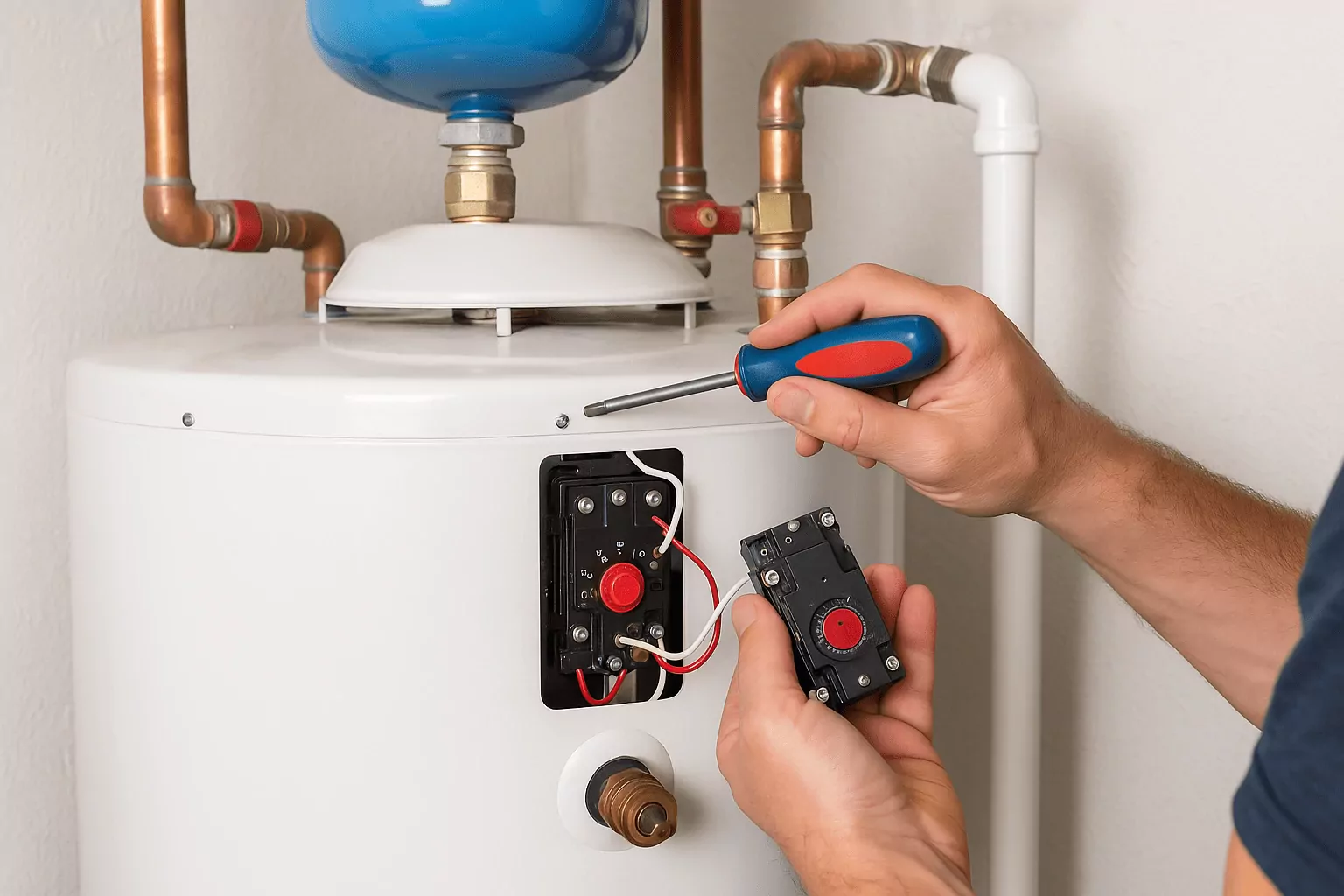
When your hot water turns lukewarm or scalding without warning, a faulty thermostat may be the culprit, and timely water heater thermostat replacement in Beaumont can restore consistency and efficiency. This guide walks Beaumont, Orange, and Bridge City homeowners through how thermostats work, how to diagnose issues, and how to replace them safely with local conditions in mind. You will learn essential tools, safety steps, and the difference between electric and gas units so you can make informed decisions. Whether you prefer DIY or want to understand what a licensed plumber will do, we cover practical examples and real-world insights. For readers ready to act, we include cost considerations, energy-saving tips, and when to call a pro for peace of mind. If you are researching local options, consider this your step-by-step resource for dependable results. For quick reference, see water heater thermostat replacement Beaumont for a trusted starting point.
How Water Heater Thermostats Work in Beaumont Homes
Most electric water heaters in Beaumont have two thermostats, one upper and one lower, that control two separate heating elements for staged heating and recovery. The upper thermostat oversees the high-limit reset and engages first, then hands off to the lower thermostat for efficiency once the top of the tank is hot. Gas water heaters typically use a gas control valve with an integrated thermostat and thermocouple or flame sensor that regulate burner operation. In our coastal-humid climate, mineral content and sediment buildup can insulate sensors and elements, causing inaccurate readings or long recovery times. Recognizing whether your home uses electric dual-element or gas burner control will determine the exact replacement process and parts you need.
Symptoms of a failing thermostat often include inconsistent water temperature, long waits for hot water, water that runs hot then quickly cools, or frequent tripping of the high-limit reset button. In electric tanks, the lower thermostat frequently fails first, leading to quick hot water depletion as only the top of the tank heats properly. A gas valve thermostat issue may show as burner short-cycling, pilot instability, or temperature swings despite the dial setting. While these symptoms can overlap with bad heating elements or sediment issues, a multimeter test helps pinpoint whether the thermostat is to blame. Proper diagnosis avoids unnecessary part swaps and ensures your repair truly fixes the root cause.
In Beaumont neighborhoods like West End and Calder, we often see hard water scale accelerate thermostat and element wear, especially in older tanks. One Orange homeowner reported scalding temperatures at random; our inspection found a sticky gas control valve failing to modulate the burner, and replacing it stabilized temps immediately. In another Bridge City case, the upper electric thermostat failed closed, continuously heating until the high-limit tripped; replacing the thermostat and resetting the limit restored safe operation. These examples show why targeted testing is critical before replacing parts, and why thermostat replacement is a practical fix when verified by readings. With a clear understanding of how the controls operate, you can replace the right component and prevent repeat issues.
Step-by-Step water heater thermostat replacement Beaumont
Safety comes first: always shut off power to the electric water heater at the breaker and confirm with a non-contact voltage tester before opening access panels. For gas models, turn the gas control to pilot or off and close the gas shutoff valve before any service. Basic tools typically include a multimeter, flat and Phillips screwdrivers, needle-nose pliers, and a camera or phone to document wiring. Wear gloves and eye protection, and keep the work area dry to reduce shock risk and slipping hazards. If you are unsure about any step, engaging a licensed plumber ensures proper replacement and compliance with manufacturer instructions.
For dual-element electric tanks, replace the thermostat that failed (often the lower first), though some pros replace both if the unit is older to avoid a second teardown soon after. Ensure the bimetal sensor sits flush against the tank for accurate sensing; any gap can cause overshooting or undershooting temperatures. After power-up, allow 30-60 minutes for temperature stabilization and then confirm outlet temperature at a nearby faucet. In Beaumont rentals and short-term rentals, landlords often standardize settings to 120 F to balance scald safety and energy efficiency, and you should document final settings. If you are operating under local rental or safety guidelines, keep a record of the change, make and model, date, and installer.
Troubleshooting Before and After Replacement
Before replacing an electric thermostat, test the heating elements for continuity and ground faults to rule out an element failure masquerading as a thermostat problem. A good element typically shows 10-20 ohms for a 4500W element on a 240V system; infinite resistance signals a failed element. Check the high-limit reset button on the upper thermostat; if it trips repeatedly, it can indicate a stuck thermostat, wiring issue, or sediment-induced overheating. For gas heaters, verify the pilot flame quality, thermocouple connection, and whether the gas control valve follows dial changes correctly. Thorough pre-replacement testing helps avoid returning to the same issue after a needless part swap.
After installing a new thermostat, watch for normal recovery time, steady temperature, and quiet operation without crackling that continues long after heating cycles. If temperatures still drift, recheck that the new thermostat is seated firmly and that insulation is properly reinstalled, since heat loss can mislead the sensor. Consider flushing sediment if recovery remains slow, as Beaumont and Orange hard water can blanket elements and skew thermostat feedback. If the high-limit trips again post-replacement, test for a shorted element or verify that both thermostats are calibrated and correctly wired. Documenting voltage readings and temperature at the tap provides a baseline for future reference or warranty questions.
Sometimes, the root cause sits outside the thermostat entirely, such as a failing mixing valve, recirculation imbalance, or cross-connection at a single-lever faucet. In homes with looped recirculation, heat bleeding can look like a thermostat error when the loop actually needs balancing or a new check valve. We have also seen undersized tanks run constantly for large households in Beaumont, causing excessive cycling that shortens thermostat life. In those cases, upsizing the tank or moving to a hybrid heat pump water heater may improve comfort and efficiency. Pairing troubleshooting with right-sizing ensures your replacement delivers sustained results rather than a temporary fix.
Cost, Efficiency, and When to Call a Pro in Beaumont
Typical costs for electric water heater thermostat replacement in Beaumont include the thermostat itself, which is usually modest, and labor if you hire a licensed professional. Homeowners who DIY spend mainly on parts and basic tools, while pros bring diagnostic expertise that can save time and prevent repeat issues. If your unit is approaching the end of its lifespan (8-12 years for standard tanks), weigh the value of replacing a thermostat versus planning for a full replacement soon. Strategically, fixing a thermostat on a younger tank can extend its life affordably and restore efficiency. On older tanks with multiple issues, a full replacement may provide better total cost of ownership.
Setting the thermostat to 120 F reduces scald risks and lowers energy use, a win for both safety and utility bills. According to industry guidance and resources like the U.S. Department of Energy, optimizing temperature and insulating hot water lines improves system performance and lowers costs. After replacement, adding sediment flushing to your seasonal maintenance can preserve thermostat accuracy and heating element integrity. In homes with high hot water demand, consider timers or smart controls and evaluate hybrid models for long-term savings. Efficiency steps paired with a correct thermostat installation often yield noticeable monthly savings in Southeast Texas homes.
Call a pro when you see scorch marks, melted wire insulation, repeated breaker trips, gas odor, or any uncertainty with electrical or gas safety. Licensed plumbers ensure correct part matching, calibration, and code compliance, and they can spot related issues like failing T&P valves or unsafe venting. If you are in Beaumont, Orange, or Bridge City, 409 Plumbing provides prompt diagnostics and same-day solutions for many water heater issues. For help now, explore our services or schedule a visit: Water Heater Repair Services and Contact 409 Plumbing. A professional inspection can transform a frustrating cycle of guesswork into a one-and-done fix with warranty-backed confidence.
Whether you are troubleshooting inconsistent water temperatures or planning a confirmed thermostat swap, this guide equips you to complete water heater thermostat replacement in Beaumont safely and effectively. By understanding how thermostats work, testing parts methodically, and following a clear replacement process, you can restore reliable hot water and improve efficiency. If your water heater shows signs of deeper issues or you prefer a fast, guaranteed fix, call the local experts. 409 Plumbing serves Beaumont, Orange, and Bridge City with trusted diagnostics, same-day service when available, and code-compliant repairs. Contact 409 Plumbing at 409-444-0066 to schedule service. Explore related resources and book online here: Home, Water Heater Repair, and Contact Us. For additional learning, see U.S. DOE: Water Heating and A.O. Smith to complement this local guide.
Frequently Asked Questions About Water Heater Thermostat Replacement
How do I know if the thermostat or the heating element is bad?
Start with a multimeter test: with power off and wires removed, check each element for continuity and for no continuity to the tank (ground). A failed element shows infinite resistance or a ground fault, while a functioning element shows a reasonable resistance value around 10-20 ohms for 4500W. If elements test fine, test the thermostats for continuity while adjusting the temperature dial; they should open and close as the dial changes. Repeated high-limit trips, hot-cold swings, or no heat with good elements often point to a thermostat issue. Proper testing ensures you replace the correct part and restores consistent hot water faster.
What temperature should I set after water heater thermostat replacement in Beaumont?
A common, safe, and efficient setting is about 120 F, which balances comfort, scald prevention, and energy savings. Families with infants or elderly individuals may choose to stay closer to 120 F to minimize risk while using anti-scald fixtures as an added safeguard. If you have a dishwashing machine without a built-in heater, you might set slightly higher, but confirm manufacturer guidance first. After replacement, test water at the tap with a thermometer, and fine-tune in small increments to reach your ideal temperature. Recheck the setting after 24 hours to confirm stability and adjust as needed.
Can I replace the thermostat on a gas water heater myself?
Gas water heaters use a gas control valve with an integrated thermostat, and replacement requires careful handling of gas lines, leak checks, and ignition systems. While experienced DIYers can follow manufacturer instructions, any smell of gas, difficulty lighting, or uncertainty warrants professional help immediately. A licensed plumber performs leak testing, confirms proper venting, and verifies burner operation to ensure safety. In Beaumont homes with older venting or tight utility closets, proper combustion air and flue performance are critical. If in doubt, hiring a professional protects your home and ensures the new control meets code and manufacturer specs.
Do I need permits or inspections for water heater thermostat replacement Beaumont?
Thermostat replacement typically does not require a permit, but full water heater replacements or gas control valve changes often do, depending on local regulations. The City of Beaumont provides permitting guidance through Permits and Inspections, and checking requirements before work begins avoids delays or compliance issues. When in doubt, consult your local authority or a licensed plumber who handles permitting as part of the service. Proper documentation also supports warranty claims and home sale disclosures later. For local reference, review city resources at Beaumont Permits and Inspections to ensure you stay compliant.

Registered Master Plumber Texas State Board of Plumbing Examiners
RMP #44702
Licensed and Bonded
Cities Serviced
409 Plumbing
Follow Us On
© 2026 409 Plumbing. All Rights Reserved.
Website Design and Hosting Provided by LocalBizBuzz,co